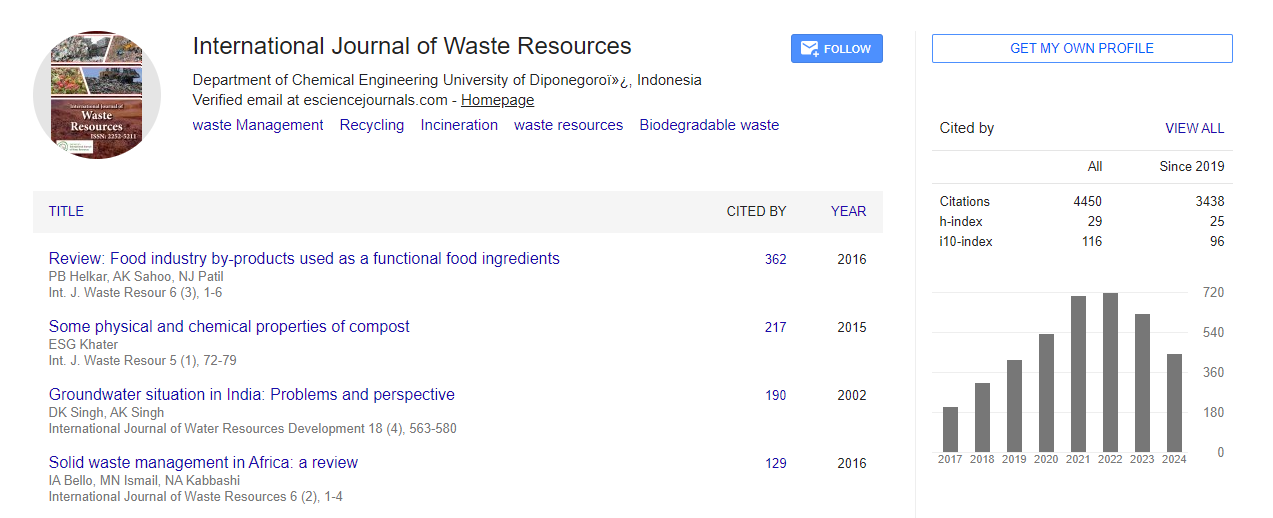


Indexed In
- China National Knowledge Infrastructure (CNKI)
- CiteFactor
- Directory of Research Journal Indexing (DRJI)
- OCLC- WorldCat
- Publons
- Geneva Foundation for Medical Education and Research
- Euro Pub
- Google Scholar
- SHERPA ROMEO
- Secret Search Engine Labs
Useful Links
Share This Page
Journal Flyer

Open Access Journals
- Agri and Aquaculture
- Biochemistry
- Bioinformatics & Systems Biology
- Business & Management
- Chemistry
- Clinical Sciences
- Engineering
- Food & Nutrition
- General Science
- Genetics & Molecular Biology
- Immunology & Microbiology
- Medical Sciences
- Neuroscience & Psychology
- Nursing & Health Care
- Pharmaceutical Sciences
Journal Highlights
- Geriatric gynecology
- Gynaecological Case Studies
- Gynaecological Diagnosis and Treatment
- Gynaecological issues
- Gynaecology country wise
- Gyncological Cancer
- Gynecologic Oncology
- Gynecologic surgery
- Gynecological Case Studies
- Gynecological Diagnosis and Treatment
- Gynecological issues
- Gynecology And Fertility
- Minimally Invasive Gynaecology
- Minimally Invasive Gynecology
- Obstetric Fistula
- Obstetric Nursing
- Obstetrical Care
- Obstetrics and Gynecology
- Pediatric Gynecology
- Post term pregnancy
- Recurrent pregnancy loss
- Reproductive Gynecology
- Reproductive Health
- Ultrasound in Obstetrics and Gynaecology
- Ultrasound in Obstetrics and Gynecology
Gynecological Diagnosis and Treatment
In some countries, women must first see a general practitioner (GP; also known as a family practitioner (FP)) prior to seeing a gynaecologist. If their condition requires training, knowledge, surgical procedure, or equipment unavailable to the GP, the patient is then referred to a gynecologist. As in all of medicine, the main tools of diagnosis are clinical history and examination. Gynecological examination is quite intimate, more so than a routine physical exam. As with all surgical specialties, gynecologists may employ medical or surgical therapies, depending on the exact nature of the problem that they are treating. Pre and post-operative medical management will often employ many standard drug therapies, such as antibiotics, diuretics, antihypertensives, and antiemetics.
Additionally, gynecologists make frequent use of specialized hormone-modulating therapies to treat disorders of the female genital tract that are responsive to pituitary and/or gonadal signals.