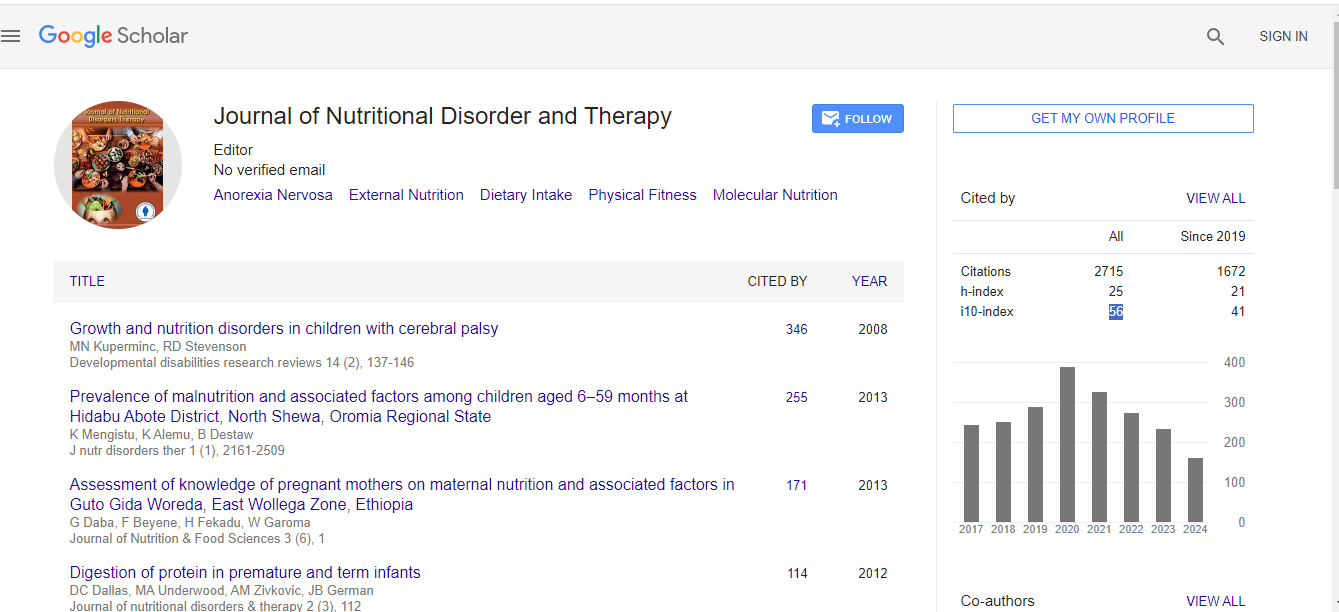

Indexed In
- Open J Gate
- Genamics JournalSeek
- Academic Keys
- JournalTOCs
- Ulrich's Periodicals Directory
- RefSeek
- Hamdard University
- EBSCO A-Z
- OCLC- WorldCat
- Publons
- Geneva Foundation for Medical Education and Research
- Euro Pub
Useful Links
Share This Page
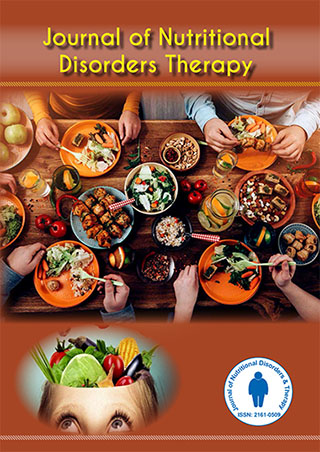
Journal Flyer
Open Access Journals
- Agri and Aquaculture
- Biochemistry
- Bioinformatics & Systems Biology
- Business & Management
- Chemistry
- Clinical Sciences
- Engineering
- Food & Nutrition
- General Science
- Genetics & Molecular Biology
- Immunology & Microbiology
- Medical Sciences
- Neuroscience & Psychology
- Nursing & Health Care
- Pharmaceutical Sciences
Opinion Article - (2025) Volume 15, Issue 3
Therapeutic Nutrition in the Management of Diet-Related Disorders
Ethan Caldwell*Received: 29-Aug-2025, Manuscript No. JNDT-26-31221; Editor assigned: 01-Sep-2025, Pre QC No. JNDT-26-31221 (PQ); Reviewed: 15-Aug-2025, QC No. JNDT-26-31221; Revised: 22-Sep-2025, Manuscript No. JNDT-26-31221 (R); Published: 29-Sep-2025, DOI: 10.35248/2161-0509.25.15:343
Description
Therapeutic nutrition refers to the use of specific dietary approaches to prevent, manage and treat various health conditions that arise from or are influenced by dietary patterns. Many disorders are directly linked to imbalanced nutrient intake, either through deficiency or excess. Addressing these conditions requires careful planning of food choices, portion sizes and nutrient composition. Therapeutic nutrition aims to restore balance within the body while supporting recovery and long-term well-being. Diet-related disorders can arise from multiple causes, including poor eating habits, limited access to nutritious foods, underlying medical conditions and lifestyle factors. Undernutrition may result in weakened immunity, delayed growth in children and reduced physical capacity. On the other hand, excessive intake of calories, sugar and unhealthy fats can contribute to conditions such as obesity, diabetes and cardiovascular disease. Both extremes highlight the importance of maintaining a balanced diet that meets the body's needs without exceeding them. One of the primary goals of therapeutic nutrition is to correct nutrient imbalances. This often involves increasing the intake of certain nutrients while reducing others. For example, individuals with high blood sugar levels may benefit from controlled carbohydrate intake, focusing on complex carbohydrates that release energy slowly. Those with high blood pressure may be advised to reduce salt consumption while increasing foods rich in potassium. These adjustments are designed to support normal body function and reduce the risk of complications.
Protein intake is another important consideration in therapeutic nutrition. Adequate protein supports tissue repair, immune function and overall strength. In conditions such as illness recovery or muscle loss, increasing protein intake can help restore body tissues. However, in certain kidney conditions, protein intake may need to be moderated to prevent further strain on the organs. This highlights the need for individualized dietary plans based on specific health conditions. Micronutrients also play a significant role in therapeutic nutrition. Vitamins and minerals are essential for various biochemical processes and their deficiency can lead to a range of health issues. Iron deficiency may cause fatigue and reduced work capacity, while insufficient vitamin A can affect vision. Therapeutic diets often include foods rich in these nutrients or supplementation when necessary. Monitoring nutrient levels helps ensure that deficiencies are corrected effectively. The method of food preparation can influence the effectiveness of therapeutic nutrition. Cooking techniques such as steaming, boiling or grilling can preserve nutrients while reducing the need for added fats. Avoiding excessive processing and choosing fresh ingredients can improve the nutritional quality of meals. In some cases, modifying the texture of food may be necessary for individuals with difficulty chewing or swallowing, ensuring that they can consume adequate nutrients safely.
Behavioral factors also play an important role in managing dietrelated disorders. Eating patterns, meal timing and portion control all influence overall health. Encouraging regular meal schedules and mindful eating can help individuals make better food choices. Education and counseling are often used to support these changes, helping individuals understand the relationship between diet and health. Therapeutic nutrition is not limited to treatment but also includes prevention. Schools, workplaces and community programs can contribute by providing access to nutritious foods and promoting awareness about balanced diets. Public health initiatives often focus on reducing the consumption of processed foods and encouraging the intake of whole foods.
Conclusion
In conclusion, therapeutic nutrition plays a vital role in managing and preventing diet-related disorders. By focusing on balanced nutrient intake, appropriate food choices and supportive lifestyle practices, individuals can improve their health and quality of life. Personalized dietary plans, combined with education and access to resources, are essential for achieving positive outcomes. As awareness of the link between diet and health continues to grow, therapeutic nutrition remains an important component of modern healthcare.
Citation: Caldwell E (2025). Therapeutic Nutrition in the Management of Diet-Related Disorders J Nutr Disord Ther. 15:343.
Copyright: © 2025 Caldwell E. This is an open access article distributed under the terms of the Creative Commons Attribution License, which permits unrestricted use, distribution and reproduction in any medium, provided the original author and source are credited.