
Indexed In
- Genamics JournalSeek
- Academic Keys
- JournalTOCs
- China National Knowledge Infrastructure (CNKI)
- Access to Global Online Research in Agriculture (AGORA)
- Centre for Agriculture and Biosciences International (CABI)
- RefSeek
- Directory of Research Journal Indexing (DRJI)
- Hamdard University
- EBSCO A-Z
- OCLC- WorldCat
- Scholarsteer
- SWB online catalog
- Publons
- Euro Pub
- Google Scholar
Useful Links
Share This Page
Journal Flyer
Open Access Journals
- Agri and Aquaculture
- Biochemistry
- Bioinformatics & Systems Biology
- Business & Management
- Chemistry
- Clinical Sciences
- Engineering
- Food & Nutrition
- General Science
- Genetics & Molecular Biology
- Immunology & Microbiology
- Medical Sciences
- Neuroscience & Psychology
- Nursing & Health Care
- Pharmaceutical Sciences
Research Article - (2026) Volume 16, Issue 4
Revolutionizing Postharvest Management with AI-Powered Innovations
Kaviyan P1, A Beaulah*, KR Rajadurai, T Anitha and KP Sivakumar2Department of Floriculture and Landscape Architecture, Horticultural College and Research Institute, TNAU, Periyakulam, India
3Department of Food Nutrition, The Community Science College and Research Institute, TNAU, Madurai, India
Received: 19-Nov-2024, Manuscript No. JFPT-24-27552; Editor assigned: 22-Nov-2024, Pre QC No. JFPT-24-27552 (PQ); Reviewed: 06-Dec-2024, QC No. JFPT-24-27552; Revised: 12-Jan-2026, Manuscript No. JFPT-24-27552 (R); Published: 19-Jan-2026, DOI: 10.35248/2157-7110.26.17.1168
Abstract
The growing world population demands at 70% increase in food production by 2050, requiring measures to reduce substantial Postharvest Losses (PHL) of 28-55% in fruits and vegetables. Artificial Intelligence (AI) technologies offer promising solutions throughout the postharvest supply chain. Harvesting, AI systems can detect, localize, and selectively harvest matured produce using computer vision, and robotics. AI models can evaluate ripeness, detect defects, and grade produce based on quality parameters during sorting, using sensors like RGB cameras and hyper spectral imaging. During storage, AI methodologies such as artificial neural networks, genetic algorithms, and fuzzy logic model changes respiration rate, quality changes, microbial growth, and physiological disorders, facilitating optimal conditions. Smart tracking devices integrating multiple sensors and AI algorithms can monitor and control atmospheric parameters to prevent spoilage. Though implementation requires developing infrastructure and sustainable practices alongside AI integration, these technologies present game-changing opportunities to optimize postharvest operations, reduce waste, and enhance food security for the future.
Keywords
Artificial intelligence; Sensor based tools; IOT, Robotics; Decision markingHighlights
• The global food security challenge requires doubling food production by 2050, with AI emerging as a solution to reduce the current 28-55% post-harvest losses in fruits and vegetables through automated systems.
• AI technologies have revolutionized post-harvest operations through automated harvesting (90-97% accuracy), sorting (using RGB/thermal cameras), and grading systems that can detect both external and internal quality parameters.
• Smart storage monitoring combines multiple sensors (temperature, humidity, gas) with machine learning algorithms to predict and prevent spoilage, while AI-based transportation and handling systems optimize the entire post-harvest supply chain for better food preservation.
Introduction
In the past as many nations have taken initiatives to prevent the global hunger but still they struggle to provide the sufficient quantity, quality and hygienic food for their raising population [1]. As the world population is expected to increase to nine billion by 2050, the demand for food will also rise up to 100% [1,2]. To meet the future demand there should be 70% increase in the world food production and agriculture productivity [3,4]. The post-harvest stage is very critical and requires very close attention as huge money and time is invested in crop cultivation [5]. The losses are high in horticulture when compared to agricultural produces as there are perishables. Among the food produced worldwide, the vegetables and fruits have recorded the highest Post-harvest Loss (PHL) ranging from 28% and 55%, accounting overall production around USD 750 billion annually [6]. In past 50 years, post-harvest studies had expanded and switched its focus to include a variety of unique technologies [7].
Which currently include harvesting, handling, packaging, transporting, and storage in order to enhance the shelf life, and reduce the wastage after harvest. Incorporating modern technologies to increase production of food and reduce postharvest losses is an effective approach for sustainable living standards and also enhancing food security [8].
Materials and Methods
PHL is referred to be measured as qualitative and quantitative losses in postharvest system. From harvesting to consumption (Figure 1), to the final decision of consumer to eat or discard the food, marketing the produce comprised of many interrelated activities [9]. Degradation and seepage during transportation and storage results in storage, handling and transportation losses. A crop instantly starts to decompose when it is removed from the ground or split off from its parent plant. Postharvest handling is the most crucial element in determining the quality of the crop, whether it is sold fresh or utilized as a part of processed food product.
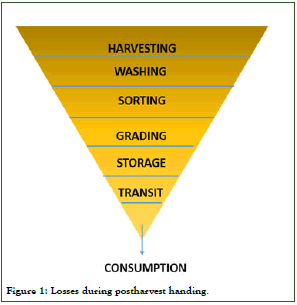
Figure 1: Losses during postharvest handing.
In the recent years the use of computer vision in the food industry has increased significantly, including uses in precision farming, crop monitoring, aerial and terrestrial mapping of natural capital. Many scientists are working to reduce postharvest losses. Artificial Intelligence (AI) has established flawless performance in postharvest technologies. AI is a general term and it’s a combination of machine learning, neural networks, and deep learning. Machine learning is a method for obtaining artificial intelligence, whereas deep learning is a subfield that combines convolutional and recurrent neural networks. The traditional strategies of harvesting and storing crops do not fully realize the desired goals of reducing crop waste. Artificial intelligence systems viz. predictive models, agricultural robots, automated picking, and sensors for storage control assist in avoiding human errors and promote farmers to make appropriate decisions that reduce waste during harvest and post-harvest processes. As it is well known, consumers preferences for packaged and processed food are raising as a result of their busy lifestyles. The raw materials are transported from the field to industry and the processed food is prepared involving wastage of raw material and grains occurs.
Artificial intelligence in food and beverages industry is to be dominated by new innovative start-ups and technology based industrial alliance to develop machine learning algorithms to tackling particular challenges. Artificial Intelligence is a gamechanger for the industry 4.0 era, offering the unique opportunity to change the food system from a unidirectional to a circular paradigm. The vast range of uses is explained by the fact that computer vision systems offer a wealth of data on the source or properties of event detection. Furthermore, this technology enables the researcher to examine sceneries in the Ultraviolet (UV) and Indigo (IR) spectral ranges, which are parts of the electromagnetic spectrum insensitive to human vision. A large number of academics are working on machine learning methods and models to reduce the PHL.
Implication of AI technology in harvesting
Since 2004, advances in agricultural mechanization technology have resulted in traditional food crops like rice and wheat essentially completing the entire mechanization process from seeding to harvesting. However, fruits still require an enormous amount of manual labour as it is tedious to complete harvesting operations.
For harvesting of fruits and vegetables the need of labour input in 35% to 45%. Fruit breakage is common result of direct or indirect contact between harvesting components and fresh fruits throughout the working process. This is the most challenging aspect of achieving robotic operation. The most crucial step in the entire production of fruit and vegetable crop is mechanized fruit and vegetable harvesting, which is necessary to ensure the timely, non-destructive and successful harvesting of matured fruits. It also directly affect the subsequent storage, transportation, processing and marketing.
An AI-driven agricultural harvester's mechanism will vary depending on the task at hand. The mechanism of operations are mentioned in Figure 2.
• Data sensing: Data/Image developing
• Decision making: Path/Fruit determination
• Robotic actuating: Harvesting/Tracking
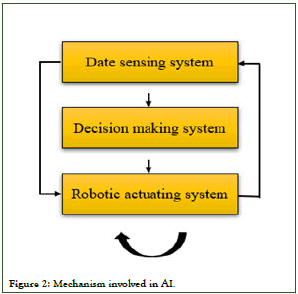
Figure 2: Mechanism involved in AI.
Results and Discussion
Data sensing
In this system the information has been collected by decision making system. In order to avoid obstructions, the information can also be utilized for controlling the actuating system. The information obtained is either fruit/crop data utilized for fruit identification or location information for navigating or arm movement for harvesting of fruit by using a camera system and a computer system capable of processing images, computer vision has made it possible for machines and robots to see. The vision system should be selected based upon the type of the picture needed and the features that must be obtained. In consideration of use a Fotonic F80 camera, which can capture 320 × 240 RGBD images at 20 frames per second? Inductive angular sensors are utilized to regulate steering, ultrasonic sensors are employed to prevent ground contact, and wheel position is retained from a row.
Decision making system
The information that is provided will be processed in this system in order to make decisions. Before any data is processed. In order to identify certain crops and crop zones, the plant area is typically mapped. That would be used as data points for accurately recognizing crop plants and mature fruits. A system that would need to be pretrained or adapt to its environment. The robotic harvester can be instructed to take activities after such generated data-sets the system includes image segmentation, deep learning, transfer learning reinforcement learning and data augmentation.
Actuating navigation/Harvesting systems
In this system, robotic component carries out the decisions transmitted by the decision-making system. The robot would need to find a solution to its localization issues in order to successfully reach the action place and finish the prescribed activity. These tasks may involve harvesting or fruit picking as well as drilling, sowing, weeding, and irrigation. Robot navigation and fruit/crop harvesting are the main uses of robotic mobility in a field or a greenhouse. It has been that navigating in a farm setting, canopy, or tunnel is more difficult than the structured area.
Robot navigation: Robot motion planning is essential for navigation in the farm when harvesting crops or collecting fruit. Drone-based navigation and motion planning frameworks like MoveIt appear to be popular methods. In addition, technology for path planning algorithms make use of GPS, LiDAR, SLAM, and Inertial Measurement Units
Crop/Fruit harvesting: The robot uses its end effector to either harvest or cut the fruit from the plant once it has been detected by AI vision algorithms. Techniques like visual sensing or visual feedback driven motion, are being employed for the final movement towards the fruit and appear to be a popular choice instinct method may be required for harvesting a crop like tea, because injury caused by pruning leads to development of new shoots, and oxidation. This method suggests a learning process based on the rigidity of tea branches. Requiring methodology which employs PROMP (Probabilistic Movement Primitives), a mechanism for describing and learning fundamental robotic motions, combining with learning from demonstration (LfD) (Table 1).
| S.no | Produces | AI technology | Method of determination | Remark |
| 1. | Strawberry | Strawberry harvesting robot | It determines colour based picture segmentation algorithm. The robot locates the strawberry blob and determines its position based on the binary picture | This approach accurately detects strawberry stems (93%), determines ripeness (90%), and evaluates shape quality. |
| 2. | Fruits | AI perception | Capable of quickly detecting, localizing, and harvesting of fruits | Detection and picking speeds with 91.7% accuracy, but requires moldeled canopy in orchards. |
| 3. | Major of fruits | AI perception Vision algorithms |
Fruit tracking and data fusion are effective, with accurate estimation of size and ripeness | Will be adaptable for majority of fruits |
| 4. | Brinjal | Cubic Support Vector Machine (SVM) (pixel classifier), Point cloud extraction. | The suggested selection boundary selects a hyperplane with greatest separation between classes, hence minimizing generalization error | Maximum data is needed, high accuracy and success rate is 91.67% |
| 5. | Cotton | Using CLoDSA-based image augmentation and Tiny Yolov3 deep learning with seven convolutional layers. | Detect and collect cotton balls under field conditions | Above 97% detection performance and 77% Action Success Ratio (ASR). |
| 6. | Tea leaves | Jaco 2 based leaf plucking using ProMP | Required human action for pulling while rotating | This 3 approach successfully generated plucking motion for an untrained, moderate stiffness branch. The proposed probabilistic technique has a greater success rate (55%) than others. |
| 7. | Cucumber | I-RELIEF along with multipath CNN and SVM | Fruit recognition is effective in similar-coloured environments, with variation in shape uneven growth patterns | 90% of photos were correctly recognized. False identification is less than 22% Suggested for use in automated cucumber harvesting machinery. |
| 8. | Strawberries | Colour-based classification with wavelength signature to identify ripe fruits and 3 RGB cameras is used to locate individual fruit | Determination of accurate position with increased detection rate and reduction in harvesting time | A fruit is harvested in 4 sec, 70%-95% ripe fruits are harvested |
| 9. | Sweet pepper | Stem Detection (SD) - Semantic Segmentation using FCN | SD aids in figuring out the best severing angle by which to position the fruit around the stem | SD approach aids in determining the centre of the fruit and stem, can be trained with synthetic data but can’t determine fruit location with respect to stem front/back. |
| 10. | Mangoes | MangoNet | Stable fruit detection using varying illumination in the field | Accuracy 73.6% |
Table 1: AI technology used in harvesting.
Leaders in the sector are adopting new agricultural practices and advancing computing technology, which will enable agricultural harvesters with AI that will be offered for sale commercially, or at least as a service. In order to improve robot manufacturing and prototyping, lower learning and operation cycles, and provide workable solutions for small farms, more research on these systems would be necessary. Standard AI/DL algorithm selection criteria would also be necessary.
Sorting
Traditional fruit sorting methods depend on visual judgment. Sorting parameters include ripeness, quality, diseased, and damage. Traditional sorting is labor-intensive, low efficiency, and skewed by inspector’s experience. According to recent studies, sorting with AI models can increase harvest automation and reduce labor costs.
AI models may help to evaluate ripeness, identifying quality, detecting injuries, and detecting decay and diseases. Sorting removes defective and unsuitable fruit for the fresh market. It also grades produce immediately after harvest to optimize storage and save costs. Hence human labours have been replaced by AI system in quality grading, reducing visual variability, inaccuracy, and tiredness. Machine vision can help improve harvest efficiency by automation and non-destructively grading gathered fruits.
A fruit conveyor, paddle, bin filling mechanism, and image processing unit work together to form the sorting machine's combined mechanism. Implementing a computer-controlled hydraulic system for sorting machinery, resulted in considerable cost reductions and meets commercial demands.
Sensors for data gathering and techniques for sorting: Several sensors, including as RBG (Red-Blue-Green) a CCD (Charge- Coupled Device) camera, a thermal camera, a hyperspectral camera, a Near-Infrared (NIR) sensor, and visible and nearinfrared spectroscopy have all been used for picture acquisition in sorting. The RGB camera is most frequently used for sorting, according to earlier research, particularly for the detection of surface damage, colour grading, volume and mass estimation of apples, and ripeness of avocados.
Apples were graded based on colour and size, and mangoes were graded in bulk using CCD cameras. The ripeness of mangoes and apple was assessed by the use of a hyperspectral camera mounted on a moveable platform situated on the ground. To detect internal bruising in blueberries, a thermal imaging device was created. It is comprised of a heat lamp and a thermal camera (7.5–13 μm) with heat lamps. For the purpose of determining the maturity of coconuts, a tapping device that records the tapping sound with an omnidirectional microphone was created in addition to imaging and spectrum approaches. In order to forecast the quality of the fruit, the total soluble solid content of "Medjool" dates was measured using an NIR spectrometer (850–1,888 nm). VNIR spectroscopy (200–1,000 nm and 673–1,100 nm) is used for determination of mangoes internal browning showed in Table 2.
| S.no | AI instrument | Fruits | Remark |
| 1 | RGB camera and depth camera | Major of fruits | Sorting bananas, oranges, apples, pears, lemons, and strawberries according to their freshness |
| Apples | Mass and volume detection | ||
| Avocadoes | Detection of ripeness | ||
| Strawberries | Detection of rot | ||
| 2 | NIR spectrophotometer | Dates | Detection and total soluble solids |
| Mango | Measurement of internal browning in mangoes detection of internal defects in mangoes | ||
| 3 | CCD camera | Mango | Mass determination |
| Apple | Colour and size grading | ||
| 4 | Thermal camera | Blueberries | Blueberries found to have bruises |
| 5 | Hyperspectral camera | Mangoes | Estimation of ripeness |
| Apple | Determination of starch pattern index, soluble solids content and streif index | ||
| Determination of firmness | |||
| 6 | Microphone | Coconut | Detection of ripeness |
Table 2: AI technology used in sorting.
The most often used sensor for automated sorting and grading is the RGB camera. Note that high-quality and readable photos are required for fruit and vegetable sorting and grading utilizing an AI system based on machine vision. Thus, the RGB camera is the ideal sensor for this task. Fruit and vegetable defects, as well as their texture, colour, and geometric shape, may all be measured with reasonably priced RGB cameras. An RGB camera's primary drawback is that it is subject to light variations under various lighting circumstances.
In addition to RGB cameras, CCD cameras are also commonly used for on-farm sorting because of their low cost. Hyperspectral, NIR, and thermal cameras are more expensive sensors that provide spectral ranges different from visible light, but because of their sensitive spectrum range for interior damage and composition, they are frequently utilised for internal defect and ingredient identification. Large amounts of spectrum data are included in hyperspectral imaging, which gives additional information for identifying contaminants and defects. The primary disadvantage of hyperspectral cameras is their expense.
Grading
Grading systems are based on the quality factors used for their establishment. Farmers employ several parameters to determine fruit quality. External and internal quality criteria are the two groups into which these components are divided. The fruit's appearance can be used to determine the external quality attributes. Factors such as size, shape, colour, surface flaws, decay, and texture are commonly used to evaluate fruit. Aroma, taste, flavour, sweetness, sourness, and nutritional value—such as vitamins, minerals, and carbohydrates are examples of internal quality criteria. Juice acidity, dry matter, total soluble solids, and sugar content are further considerations. If the fruits in not destroyed while measuring the internal quality that method is called as non-destructive method.
These methods often make use of spectroscopic and hyperspectral imaging. The usefulness of the comprehensive spectrum data provided by hyperspectral sensors with the ability to capture accurate material composition for application in factories. Addressing a survey on non-destructive methods for fresh fruit and vegetable internal examination of quality. Hyperspectral imaging is used for the measurement of ripeness of tomato and it resulted that hyperspectral pictures have a higher degree of ripeness discrimination than RGB-standard photos. This method has many benefits when compared to conventional methods. It proves that it’s a beneficial in the determination of fruit defects.
In order to improve the image quality, a noise reduction operation was performed prior to using the image segmentation operation to identify the defect type. The apples were photographed using a colour/monochrome camera in a diffusely illuminated tunnel with two types of light source (florescent tubes and incandescent spots). From each segmented part of the picture, the texture-based shape characteristics and image intensity were obtained. For detection and defect segmentation, the performance of a number of classification techniques was examined, including Decision Tree, Fuzzy k-NN, k-NN, Support Vector Machine (SVM), Linear Discriminant Classifier (LDC), and Multi-Layer Perceptron (MLP). They detect flesh damage, hail with perforation, scar tissue, rot, flesh damage etc.
Certain characteristics such as colour hue angle, Various aspects of apple processing were examined, including shape defect, circumference, hardness, weight, blush percentage (red natural spots on the apple's surface), russet (natural net-like structure on the apple's surface), bruise content, and overall number of natural defects. A number of categorization strategies were examined, including decision rules, 1-NN, 2-NN, 3-NN, Decision Trees, and MLP. Hence MLP, has yielded the best classification outcomes (up to 90%). In mandarin fruits the Sony XC-003P camera and fluorescent tube light were used to capture images. The images were designed and used a region growing segmentation algorithm, identified the defect regions through experiment and then classified the fruit into nondefective and defective fruits showed in Table 3.
| S.no | Produces | AI technology | Identification methods | Remark |
| 1. | Vegetables | Spectroscopic and hyperspectral imaging | Hyperspectral sensors | Internal qualities (e.g., ripeness of tomato) |
| 2. | Tomato | Automated the tomato inspection | Colour cameras system extracts: Colour, colour homogeneity, bruise and shape | Graded according to its colour, colour homogeneity, bruise and shape features |
| 3. | Mandrin orange | Sony XC-003P camera and fluorescent tube light | Sony XC-003P camera and fluorescent light | Classify fruit into defective and non-defective classes. |
| 4. | Pepper berries | pepper berries grading system | Brightness is defined as both uniformity and intensity of brightness. | Robustness |
| 5. | Peaches, pears, and apples | Grading robot | Mounted TV cameras | Determines the quality grade based on the colour, size, shape, and presence of disease, insects, and bruises. |
| 6. | Apples | CCD camera | CCD camera | Graded by colour (accurate than BP-ANN, but lower than SVM) |
| 7. | Apples | Colour/monochrome camera | Fluorescent tubes and incandescent spots | Detection of flesh damage, hail with perforation, scar tissue, rot, flesh damage |
Table 3: AI technology used in grading.
Internal grading of fruit analyzed by camera-spectroscopy sensor: Sony IMX219 8-megapixel sensor is picked for the camera, and Sparks Fun’s Triad Spectroscopy sensor (AS7265x) is chosen for the spectrum, also considering economical cost. The 3 readings are taken while the camera sensor rotates in 360 degrees then come backs to original position. In this process, the computer vision detects the fruit accordingly; simuntaneously spectroscopy and machine learning are used to grade the fruits (Figure 3).
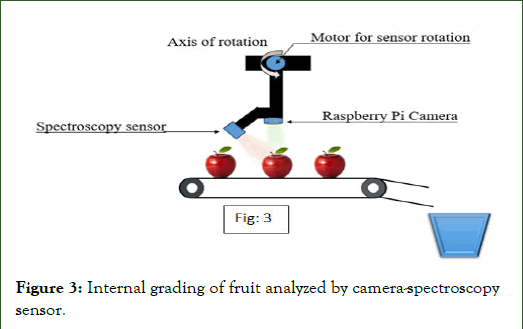
Figure 3: Internal grading of fruit analyzed by camera-spectroscopy sensor.
Storage
Postharvest storage is one of the procedures used after harvesting in the agricultural food production process. Improving postharvest storage practices can help ensure food security. During storage, postharvest goods generate heat, moisture, CO2, and ethylene gasses. Postharvest treatments cause nonlinear changes in the physicochemical properties of fruits and vegetables, including respiration rate and quality loss. ANN (Artificial Neutral Network), GA (Genetic Algorithm), FL (Fuzzy Logic), and ANFIS (Adaptive Neuro Fuzzy Inference System) are analytical alternatives to traditional modelling methods that rely on strict assumptions of homogeneity, linearity, normality, and variable independence.
GA are used to find the ideal value, similar to how biological evolution works.
Fuzzy sets offer mathematical ways to quantify the uncertainty of human expressiveness. The FL technique may accurately simulate nonlinear behaviour in some systems. FL was used for sensory evaluation through panel testing, as well as food process and sensory quality control used fuzzy mathematics to alter reactions to sensory qualities like appearance, taste, and hardness. Used a FL controller in microwave-based Chinese herb drying equipment.
Storage effects on black currant quality via image processing and AI were studied. Fruit stored at room temperature and in a refrigerator was analysed through texture parameters. Machine learning classified fruit based on colour spaces, revealing structural changes over time. High accuracy in distinguishing stored and unstored samples suggests potential for quality monitoring during storage. Studied various ANN approaches for predicting bruises in apples, peaches, and pears.
HI system is used to detect cold injury in peaches and constructed an ANN model to identify eight ideal wavelengths. Peach quality differs significantly between normal and cooling damaged varieties. The characteristics (firmness, extractable juice, soluble solid content, chlorophyll content, and titratable acidity) and how their spectra change at different wavelengths were studied employed ANN and HI approaches to model quality variations in avocados stored at different temperatures.
Low temperatures injure and kill tropical and subtropical plants by causing physiological anomalies in chilling-sensitive plants. Employed Artificial Neural Network (ANN) modelling to predict chilling resistance in tomato seedlings after drought stress pretreatment with 0%, 10%, and 20% polyethylene glycol are mentioned in Table 4.
| S.no | AI technology | Predicted parameters | Remark |
| 1. | Spectral imaging system linked with ANN | Firmness | Along with hardness variations, a spectrum imaging system connected to artificial neural networks can effectively distinguish between apples that have been chilled and ones that are not. |
| 2. | ANN model | Quality parameters of avocado during storage | The ANN models could correctly predict respiration rate and weight. |
| 3. | ANN | Weight loss, firmness, TSS, pH, L*, a*, b*, chroma, Hue angle, ΔE, browning index, vitamin C, total phenol and polyphenol oxidase activity | The shelf-life duration was found to be the most effective factor in predicting button mushroom attributes during postharvest storage, according to sensitivity analysis by optimum neural network (2-8-14). |
| 4. | ANN | Respiration rate | ANN methodology is a highly precise method capable of predicting and simulating fruit respiration rates. |
| 5. | GA - ANN | Weight loss, total antioxidant activity, pH, ethylene, anthocyanins, respiration, ion leakage, chilling injury index, and polyphenols | Overall agreement between GA-ANN predictions and the experimental results was significant. |
| 6. | ANN | Chlorophyll a, chlorophyll b, total phenol, relative water content, root electrolyte leakage, F0, Fm and proline | Intensity of PEG-induced drought stress was an efficient predictor of chilling resistance and tomato seedling growth characteristics. |
| 7. | ANN | Potato temperature | The proposed paradigm proved effective in simulations incorporating intelligent controllers. |
| 8. | ANN | Colour changes, water loss and solid gain | Calculate the dried kiwifruit's colour changes and mass transfer kinetics. |
| 9. | ANN | Weight and water loss and solid gain | The optimum ANN sensitivity revealed that the osmotic solution temperature as the most sensitive factor for controlling the weight, water loss, and solid gain. |
Table 4: AI technology used in storage.
Artificial intelligences approach on food spoilage detection during storage and transit Smart meal tracking device: The purpose of the smart meal monitoring devices is to keep an eye on and regulate food products to shield them from the damaging effects of meteorological or climatic variations. Food waste can also be caused by inadequate food storage. The smart food monitoring system keeps an eye on and regulates a number of food-related parameters with the goal of promoting healthy food storage. This gadget uses storage units that have several electronic sensors implanted in them so they can understand the parameters that impact food. The major components are:
Controller: For microcontroller Arduino is used
Gas detection sensor: A tool which is used to measures the amount of gases present in a space and is frequently used in security systems. The place where the leak is occurring will be regulated by a gas detector.
Humidifier: A device that raises the amount of moisture or humidity in a particular room or the entire home.
Heat sensor: A heat sensor's primary function is to measure the heat that an object contain. The heat sensor senses heat and notifies us when the surrounding temperature increases over its predetermined point, enabling us to safeguard the produce from damage.
Humidity sensor: Humidity sensors are devices that monitor humidity and convert the data into an electrical current.
Humidity sensors come in a wide range of shapes, sizes, and features. Prior to transmitting a value to the microcontroller, the humidity sensor measures the fruits' or vegetables' moisture content. The microcontroller receives values again if moisture content is not detected; otherwise, an alert is generated.
Cooling module (TEC1-12715-Thermoelectric Cooler 15A Peltier Module): The condenser, fan device and heater are all included in this element. A condenser and a heater are included in this module
Light sensor the devices called light sensors maintain records of how much artificial or natural light is present. These electronic devices transform light energy into an electrical signal. Various manufacturing industries make use of light sensors
There are many different kinds of sensor types which are used in the detection and analysis of food deterioration. which includes gas sensors, heat sensors, humidity sensors, and camera sensors it. The camera sensor takes a picture of the fruit or vegetable. The humidity sensor gauges the humidity of the surrounding air. If the humidity is below the desired level, the humidifier increases it to the threshold level. When the temperature reaches the preset threshold value that Arduino controls, the temperature sensor keeps an eye on it. Arduino is directly connected to the Raspberry Pi, which functions as a small computer with its own processor and memory. Whenever the temperature over the threshold, the cooling module kicks in. Early spoiling is detected by the gas sensor (Figure 4).
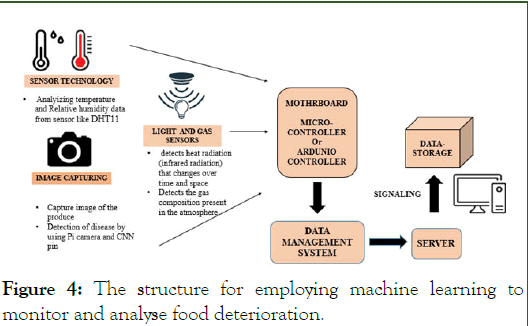
Figure 4: The structure for employing machine learning to monitor and analyse food deterioration.
Future prospect
Machine learning algorithms in AI have brought about revolutionary changes in post-harvest operations, enabling AI to be used specifically within various crops and conditions, improving accuracy, and communicating with sensors such as IoT. These super-intelligent machines go beyond the traditional and now come up with new ways that will ensure food is preserved effectively among them intelligent packaging as well as other forms of decision support to ensure efficient production by farmers so that they are able to stand out in this time of erratic weather patterns and the ever-boosting market fluctuations. There is a need for advancements in AI technology to enhance precooling and transportation processes in the future. It needs all stakeholders working together to make these developments accessible and applicable for sustainable food systems for development in future.
Conclusion
Artificial intelligence integration in post-harvest management presents a game-changing approach to solve the intricate issues of postharvest losses and food security. It is predicted that the world population will be around 9 billion by 2050 and as such, global food consumption is expected to rise fourfold. This necessitates an increase in agricultural productivity while reducing waste. AI encompasses machine learning and deep learning technologies which offer a wide range of tools that can be used for optimizing post-harvest operations from harvesting through storage, minimizing waste and increasing efficiency along the agricultural value chain. Food system sustainability can be achieved by using predictive models, agricultural robots, AI-based solutions including automated picking etc., that would enable stakeholders to make informed decisions towards mitigating losses with due regard given to long-term viability. However, this implies simultaneous development of infrastructure for supply chain management infrastructure, market access and market systems for effective comprehensive solutions on postharvest handling together with artificial intelligence to be fully embraced. These programs taken together have potential for fostering sustainable agriculture practices, enhancing food security and meeting the nutritional requirements of a growing global population.
Funding
No funding was received.
Acknowledgements
The support and guidance of all the peer-reviewed manuscript by reviewers are very much appreciated.
Author Contributions
Kaviyan Pazhani, A. Beaulah, K.R. Rajadurai: Writing of original draft and conceptualization. A. Beaulah, K.R. Rajadurai, T. Anitha, K.P. Sivakumar: Revision of draft, inclusion of tables and figures, proof reading. Kaviyan Pazhani, A. Beaulah, K.R. Rajadurai, Anitha, K.P. Sivakumar: Revision, formatting and Supervision. All the authors read and approved the final version of the manuscript.
Data Availability
No datasets were generated or analysed during the current study.
Competing Interests
The authors declare that they have no competing interests.
References
- Pawlak K, Kolodziejczak MJS. The role of agriculture in ensuring food security in developing countries: Considerations in the context of the problem of sustainable food production. Sustainability. 2020;12(13):5488.
- Fukase E, Martin WJWD. Economic growth, convergence, and world food demand and supply. World Dev. 2020;132:104954.
- Cole MB, Augustin MA, Robertson MJ, Manners JM. The science of food security. NPJ Sci Food. 2018;2(1):14.
[Crossref] [Google Scholar] [PubMed]
- Sharma S, Zhang M, Gao J, Zhang H, Kota SH. Effect of restricted emissions during COVID-19 on air quality in India. Sci Total Environ. 2020;728:138878.
[Crossref] [Google Scholar] [PubMed]
- Prusky D. Reduction of the incidence of postharvest quality losses, and future prospects. Food Secur. 2011;3:463-474.
- Opara IK, Fawole OA, Kelly C, Opara UL. Quantification of on-farm pomegranate fruit postharvest losses and waste, and implications on sustainability indicators: South African case study. Sustainability. 2021;13(9):5168.
- Ciccullo F, Cagliano R, Bartezzaghi G, Perego A. Implementing the circular economy paradigm in the agri-food supply chain: The role of food waste prevention technologies. Resour Conserv Recycl. 2021;164:105114.
- Singh A, Vaidya G, Jagota V, Darko DA, Agarwal RK, Debnath S, et al. Recent advancement in postharvest loss mitigation and quality management of fruits and vegetables using machine learning frameworks. Adv Agric. 2022;2022:1-9.
- Hodges RJ, Buzby JC, Bennett BJ. Postharvest losses and waste in developed and less developed countries: opportunities to improve resource use. J Agric Sci. 2011;149(S1):37-45.
Citation: Kaviyan P, Beaulah A, Rajadurai KR, Anitha T, Sivakumar KP (2026) Revolutionizing Postharvest Management with AI-Powered Innovations. J Food Process Technol. 17:1168.
Copyright: © 2026 Beaulah A, et al. This is an open access article distributed under the terms of the Creative Commons Attribution License, which permits unrestricted use, distribution, and reproduction in any medium, provided the original author and source are credited.