
Indexed In
- Open J Gate
- Genamics JournalSeek
- Academic Keys
- JournalTOCs
- Ulrich's Periodicals Directory
- RefSeek
- Hamdard University
- EBSCO A-Z
- OCLC- WorldCat
- Publons
- Geneva Foundation for Medical Education and Research
- Euro Pub
Useful Links
Share This Page
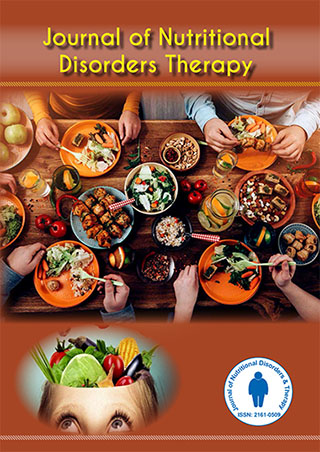
Journal Flyer
Open Access Journals
- Agri and Aquaculture
- Biochemistry
- Bioinformatics & Systems Biology
- Business & Management
- Chemistry
- Clinical Sciences
- Engineering
- Food & Nutrition
- General Science
- Genetics & Molecular Biology
- Immunology & Microbiology
- Medical Sciences
- Neuroscience & Psychology
- Nursing & Health Care
- Pharmaceutical Sciences
Short Communication - (2025) Volume 15, Issue 4
Nutritional Imbalance and Its Clinical Impact in Modern Urban Populations
Jonathan Reed*Received: 29-Nov-2025, Manuscript No. JNDT-26-31202; Editor assigned: 01-Dec-2025, Pre QC No. JNDT-26-31202 (PQ); Reviewed: 15-Dec-2025, QC No. JNDT-26-31202; Revised: 22-Dec-2025, Manuscript No. JNDT-26-31202 (R); Published: 29-Dec-2025, DOI: 10.35248/2161-0509.25. 15:345
Description
Nutritional Disorders represent a broad group of conditions that arise when the body does not receive the right balance of nutrients required for normal function. These disorders can result from insufficient intake, excessive consumption or improper absorption of essential nutrients such as proteins, vitamins and minerals. In developed urban environments like Boston, where food availability is generally high, nutritional disorders still persist due to lifestyle patterns, dietary preferences and health-related factors. Nutritional imbalance can manifest in multiple ways depending on the type and severity of deficiency or excess. Undernutrition occurs when the body lacks adequate nutrients, leading to symptoms such as fatigue, weakened immunity and poor physical development. On the other hand, over nutrition results from excessive intake of calories or certain nutrients, often contributing to obesity and related health complications. Both forms can significantly affect quality of life and long-term health outcomes. One of the most common contributors to nutritional disorders in developed countries is the consumption of highly processed foods. These foods are often rich in calories but low in essential nutrients, leading to a situation where individuals consume enough energy but still lack vitamins and minerals. Fast-paced urban lifestyles further encourage reliance on convenience foods, which may not provide balanced nutrition. This pattern is particularly evident among working professionals and students who have limited time for meal preparation.
Micronutrient deficiencies remain a concern even in settings where food supply is abundant. Conditions such as iron deficiency anemia, vitamin D deficiency and low levels of vitamin B12 are frequently observed in clinical practice. These deficiencies can occur due to dietary habits, limited exposure to sunlight or specific health conditions that affect nutrient absorption. For example, individuals who follow restrictive diets without proper planning may inadvertently reduce their intake of essential nutrients. Children and adolescents are particularly vulnerable to nutritional disorders due to their increased nutritional needs for growth and development. In developed urban settings, dietary habits among younger populations often include high consumption of sugary snacks and beverages, which can displace more nutritious options. This can lead to both undernutrition in terms of micronutrients and over nutrition in terms of calorie intake, creating a complex health challenge. Adults are also affected by nutritional imbalances, especially those with sedentary lifestyles. Office-based work, reduced physical activity and irregular eating patterns contribute to weight gain and metabolic disturbances. Over time, these factors may increase the risk of chronic conditions such as diabetes, cardiovascular disease and hypertension. Addressing nutritional disorders in adults requires a combination of dietary changes and lifestyle adjustments.
Elderly individuals face unique nutritional challenges due to physiological changes associated with aging. Reduced appetite, changes in taste perception and difficulties in chewing or swallowing can affect food intake. Additionally, certain medications may interfere with nutrient absorption. These factors can lead to deficiencies that impact bone health, muscle strength and overall well-being. In developed healthcare systems, targeted nutritional support for older adults is an important aspect of care. Diagnosis of nutritional disorders involves a comprehensive assessment that includes dietary history, physical examination and laboratory tests. Healthcare providers evaluate nutrient levels, body composition and any underlying medical conditions that may contribute to imbalance. Early identification allows for timely intervention and reduces the risk of complications. Management of nutritional disorders focuses on restoring balance through appropriate dietary modifications and, when necessary, supplementation. Medical nutrition therapy is often used to create individualized plans that address specific deficiencies or excesses. These plans consider factors such as age, health status and lifestyle to ensure effective and sustainable outcomes. In developed urban settings, access to dietitians and nutrition specialists supports the implementation of these strategies. In developed urban environments, the challenge of nutritional disorders lies not in food scarcity but in making informed choices. Despite the availability of diverse options, lifestyle habits and preferences often lead to imbalanced nutrition. By promoting awareness, encouraging healthy behaviors and providing access to professional guidance, it is possible to address these challenges effectively.
Conclusion
In conclusion, nutritional disorders remain a significant health concern in modern urban populations. They reflect the complex interaction between dietary habits, lifestyle factors and individual health conditions. Through comprehensive management and preventive measures, individuals can achieve better nutritional balance and improve their overall health. The integration of education, clinical care and technology supports a more informed approach to nutrition, contributing to improved well-being in developed societies.
References
- Zhou Y, Li X, Zhao F, Yao C, Wang Y, Tang E, et al. Rural-urban difference in the association between particulate matters and stroke incidence: The evidence from a multi-city perspective cohort study. Environ Res. 2024;261:119695.
- Chen S, Ma N, Kong Y, Chen Z, Niyi JL, Karoli P, et al. Prevalence, disparities and trends in intimate partner violence against women living in urban slums in 34 low-income and middle-income countries: a multi-country cross-sectional study. EClinicalMedicine. 2025;81.
- Ramirez V, Kim I, Bautista RJ, Bautista CJ. First 1,000 Days of Life Have a Direct Impact on Health: A Mexican Strategy. Arch Med Res. 2026;57(2):103369.
- Hawkins A, Rundle R. School food hero and the battle of the food foes: A story of public health policy, power imbalance and potential. Soc Sci Med. 2024;342:116520.
- Huang CF, Wu CH. Sarcopenic obesity in the Asia-Pacific region: Epidemiology, risk factors and management. Osteoporos Sarcopenia. 2025;11(2):40-49.
- Ghosh J, Chaudhuri T, Mora JA, Kant R. Harnessing Clinical and Biochemical Data for Personalized Cardiovascular Risk Prediction: A Machine Learning Approach Toward Precision Nutrition. J Nutr. 2026:101363.
- Batyrova G, Umarova G, Umarov Y, Taskozhina G, Kononets V, Batyrov R, et al. Association Between Hair Trace Element Content and Children’s Growth and Development: Protocol for a Cross-Sectional Surveillance Study. JMIR Res Protoc.2025;14(1):e72207.
- Hazra S, Bisht KS, Makkar S, Bora KS. Knowledge, attitude, perception and satisfaction level of Ayurveda and allopathy in India: A systematic literature review. Explore (NY). 2025;21(5):103208.
- Morales-Suarez-Varela M, Rocha-Velasco OA. Impact of ultra-processed food consumption during pregnancy on maternal and child health outcomes: A comprehensive narrative review of the past five years. Clin Nutr ESPEN. 2025;65:288-304.
- Li W, Chen X, Liu C, Olatunji OJ, Le TD, Ashaolu TJ, et al. Vitamin D deficiency and respiratory health: A narrative review bridging gaps in public health through innovative strategies and sustainable solutions. J Infect Public Health. 2025:103013.
Citation: Reed J (2025). Nutritional Imbalance and Its Clinical Impact in Modern Urban Populations. J Nutr Disord Ther. 15:345.
Copyright: © 2025 Reed J. This is an open access article distributed under the terms of the Creative Commons Attribution License, which permits unrestricted use, distribution and reproduction in any medium, provided the original author and source are credited.