

Indexed In
- Genamics JournalSeek
- RefSeek
- Hamdard University
- EBSCO A-Z
- OCLC- WorldCat
- Publons
- Euro Pub
- Google Scholar
Useful Links
Share This Page
Journal Flyer

Open Access Journals
- Agri and Aquaculture
- Biochemistry
- Bioinformatics & Systems Biology
- Business & Management
- Chemistry
- Clinical Sciences
- Engineering
- Food & Nutrition
- General Science
- Genetics & Molecular Biology
- Immunology & Microbiology
- Medical Sciences
- Neuroscience & Psychology
- Nursing & Health Care
- Pharmaceutical Sciences
Research Article - (2025) Volume 14, Issue 3
Detection of Diseases in Rice Plant Using Optimized AdaBoost Classifier
Ratnesh Kumar Dubey* and Dilip Kumar ChoubeyReceived: 31-Jul-2024, Manuscript No. SIEC-24-26666; Editor assigned: 05-Aug-2024, Pre QC No. SIEC-24-26666 (PQ); Reviewed: 19-Aug-2024, QC No. SIEC-24-26666; Revised: 19-Jun-2025, Manuscript No. SIEC-24-26666 (R); Published: 26-Jun-2025, DOI: 10.35248/2090-4908.25.14.429
Abstract
This research uses optimized AdaBoost to propose a dependable paddy plant leaf disease detection method. Preprocessing, feature extraction, classification and segmentation are the four processes that the study addresses. First, a red, green and blue format is applied to the input picture. The green band has a vivid foliage component set against a backdrop with strong contrast. During the preprocessing stage, the green band is allocated to the noise reduction procedure. A median filter is used to eliminate any noise that may have been caught in the picture. Next, utilizing the texture and color histogram characteristics, significant features of the green band are retrieved. The process of extracting texture characteristics involves taking a look at each picture and determining its GLCM texture features. This includes features like autocorrelation, contract, correlation, cluster prominence, cluster shade, dissimilarity, homogeneity, energy, entropy, variance, maximum probability and sum average. Based on mean and standard deviation, the color histogram feature retrieved features. The standard deviation in this case indicates that an image with low differentiation will have low variance and a picture with high difference will have high variance. Mean indicates that a bright picture has a high mean and a dim picture has a low mean. To identify an image as healthy or unhealthy, such as bacterial blight, tungro or leaf blast, the retrieved features are sent to the optimize AdaBoost classifier after feature extraction. The Adaptive Sunflower Optimization (ASFO) method is used to choose the AdaBoost settings in an ideal manner to maximize its performance. The learning rate, max depth, min child weight and gamma parameters of AdaBoost are the optimal parameters by the use of ASFO. A level set segmentation technique is then used to further divide the affected area. The greatest accuracy achieved by the Optimized AdaBoost technique was 96.94%.
Keywords
Plant illness; Blast disease; Rice leaf; Improved AdaBoost classifier; Adaptive sunflower optimization
Introduction
One of the most basic industries and one that is essential to the growth of the country is farming. Each person's life has a major role for agribusiness. In the past, people cultivated crops on their land to suit their needs. Currently, as innovation advances, the open's demands are bolstering the agricultural sector. As the population grows quickly, these advancements are becoming more and more necessary to satisfy everyone's needs. Producing crops that address a variety of factors, including soil type, temperature and mugginess, may be a daunting task. Plants may exhibit famine risk, morphological alterations or mortality due to a variety of factors. Pathogens and environmental factors are the two main causes of plant disease. Pathogens are defined as living organisms that cause disease. Crop diseases are regarded as a typical feature of the natural world. Additionally, it is one of the many different environmental elements that help maintain hundreds of thousands of species and organisms in harmony with one another. Attacks during trim generation also had an impact on edit generation, which was a significant problem. As a result, food production and quality are reduced.
There is evidence of early rice development in several nations, including Southeast Asian, Indian and Chinese civilizations. First, the seeds are planted in prepared beds. After 25 to 50 days, seedlings are moved to the rice field or other designated area. After that, it's covered with supplies and immersed in 5 to 10 centimeters of water. The season that remains is the growing one. Billions of dollars are spent by farmers on managing illnesses. Without enough professional support, this will often result in inadequate disease control, contamination and harmful effects. Starvation may result from agricultural misfortune caused by plant illnesses. between thirty and fifty percent enhanced large-scale crop catastrophes for AdaBoost classifierual are not unusual. Multiple figures may simultaneously have an impact on plants. Complicating the infection is a group of experts that produce every disease that affects a plant. The plant disease observation handle is quite problematic in terms of its physical attributes. More labor, attention and expertise in plant diseases are needed for the manual handle. Plant diseases are identified using picture preparation techniques. The phases for managing images of disease include image acknowledgment, image pre-processing, image partitioning, highlight extraction and final classification [1].
Images of aircraft carrying various illnesses may be found in the database. The process of grouping images into clusters is known as clustering. Shrinkage decay, leaf spot, leaf curse, brown spots and bacterial spoilage of rice plants are the most prevalent diseases. All plant diseases are manually identified by experts using their naked eyes. Makes mistakes from time to time while determining the kind of illness. Because rice leaf infections need suitable medication, rice generation has been dropping for a long time. An appropriate and prompt recognition strategy is needed to manage this rice leaf sickness. Leaf impact infection was the primary focus of this strategy.
This study primarily aims to identify a rice leaf disease and identify the affected leaf part. A levelset computation and an optimized AdaBoost classifier are used to achieve this idea. Include extraction is provided for a valid categorization procedure. The feasibility of the suggested method is contrasted with other approaches. The highest level of dedication for this document is listed below;
- The noise in the input images is removed using a middle channel during pre-processing. Surface and color highlights are then removed from each image. Following include extraction, the removed highlights are sent to the classification scheme.
- The optimized AdaBoost classifier is optimized and used for classification.
- The suggested optimized AdaBoost classifier parameters are optimally selected with the use of a flexible sunflower optimization computation.
- The affected location is divided using a level set computation following the categorization handle.
- The various measures are used to examine how the suggested technique is implemented.
Materials and Methods
Reasoning for the research
The primary primary source of open remuneration in some countries, including India, is agribusiness. Plant and crop illnesses are real threats that disrupt the quantity and quality of output and result in financial difficulties. The location of plant diseases is fundamental to this technique. In many plants, the negative effects of plant diseases are visible. Plant emergence, however, is often used to assess infection. Certain automated methods for identifying plant leaf diseases are useful because they reduce the enormous amount of work involved in monitoring large ranches and identify disease side effects early on. Therefore, the focus of this research is on the programmed infection categorization [2].
The other sections of the report are arranged as follows: Area 2 analyzes related work, and segment 3 provides a planned and precise location of the effect disease in rice plants. Faction 4 provides the introduction and dialogue, while area 5 displays the last portion.
Related work
A number of research teams have looked at plant disease categorization systems. Senan, et al. used an effective Convolutional Neural Network (CNN) to develop a demonstration of plant leaf disease and trouble categorization. Of these, a few research works are included below; a few works are examined here. This strategy made use of a well-produced CNN program. The main goal of this process was to reduce the amount of handling time needed while precisely identifying and categorizing rice diseases and bugs. Using this method, a total of 3355 images were gathered, including 4 different types of rice images (sound, tungro, leaf impact and hispa). At that point, the suggested five-layer CNN technique was used to classify the images. The findings showed that the suggested CNN approach achieves up to 93% accuracy rate when compared to other stateof- the-art comparison models. To remember higher-order data highlights from rice photographs, entropy and data pick up parameters are not used.
For the purpose of identifying and classifying rice leaf illnesses, Ramesh and Vydeki developed an improved Deep Neural Network (DNN) using the Jaya algorithm. In order to conduct this inquiry, five different types of images are gathered: Ordinary, bacterial scourge, tungro, sheath spoil and impact sicknesses. To divide the contaminated range from the normal region and the foundation, a clustering algorithm was used. Optimized DNN was used for infection classification [3].
Plant infection differentiating evidence was introduced by Patil and Kannan using developmental and machine-learning techniques. To design the featureset for a classifier, the image pre-processing approach was initially used. Following that, include extraction computations were used to extract the relevant highlights from the processed images. The classifiers for the categorization of rice leaf infection were then given the highlights. In order to identify diseases on rice leaves, cascaded classifiers were investigated. The nearest neighbor method was used with the hereditary computation to identify rice leaf diseases.
Using deep learning and a metaheuristic computation, Sakhamuri and Kumar successfully classified and acknowledged rice leaf infections. Improving accuracy, streamlining and planning for execution were the main goals of the strategy.
Using this method, pre-processing was applied to the input image to remove noise and artifacts. Then, using the Optimized Deep CNN with Cuckoo Look (DCNN-CS) calculation, the preprocessed image was used to categorize leaf diseases. In order to reduce classification errors, predispositions and weights were advanced using a Cuckoo Look Calculus (CS) throughout both the fundamental pre-training and fine-tuning phases of the DCNN process. This DCNN-CS technique allows the selection of direct factual optimization processes with minimal computing labor, resulting in tall classification exactness. Finally, this show's classification accuracy and performance were evaluated and contrasted with other classification techniques.
Based on a successful highlight extraction technique, Azim, et al. developed a categorization system for rice leaf malady. With this method, a demonstration of the three rice leaf illnesses bacterial leaf curse, Tungro spot and leaf muck was built up. This model's accuracy of 86.58% outperformed previous considerations on the same dataset for rice leaf diseases on the UCI dataset [4].
Using a collection of visual pictures, Murugan, et al. developed a classification system for rice infections. CNN was used by the inventors of this method to classify rice leaves. According to the results of the tests, mobile net had the highest classification accuracy (93.83%). A classification system based on deep CNN and ResNet-50 was proposed by Rani and Suresh Singh for infections causing symptoms in rice leaves. A framework based on profound CNN and ResNet-50 was used to differentiate four unique forms of rice leaf diseases. Using a greyscale change method, the input image was converted to a greyscale picture during the pre-processing step. The noise in the picture was removed using the middle channel technique and a deep inclusion was recovered using the computed relapse computation. Once again, the Profound CNN with Resnet 50 demonstration used the incorporate learning technique to identify rice diseases. With a 95.3% accuracy rate, this method was identified. This process might potentially protect the edit against malware.
A demonstration of using robotized CNN to locate infections on rice leaves was given by Islam et al. This method examined four different types of illnesses and one group of stable rice plants. The primary goal of this study was to compare the robotized discovery approach using deep learning CNN models with the traditional protracted manual disease distinguishing proof preparation. This comparison was completed with a remarkable level of accuracy. Converting learning methods has been used to produce more precise predictions of rice foliar diseases. This tweak to the exchange learning process improved accuracy and deconstructed the show preparation process.
Rice leaf disease expectations were shown by Gayathri and Neelamegam. They used an outspread premise work classifier in conjunction with an improved AdaBoost classifier to implement this idea. The authors of this method combined radial-based neural networks with an improved optimized AdaBoost classifier. They used fewer total photographs for the test examination and were able to attain 89% accuracy by using this method. Using the Jeya computation for rice leaf classification and recognized evidence, Ramesh and Vydeki established an optimal neural network. They focused on five groups in particular: Scourge spoil, brown stain, bacterial curse, ordinary and thwart. Regardless, this approach provides more accuracy; the rate of assigning responsibility should be lowered [5].
Krishna Narayan better AdaBoost classifier an enhanced deep neural network-based rice leaf infection localization method was provided by Alini, et al. The Crow Look Calculation (CSA) was used in the fine-tuning organization process to enhance the DNN. The improved AdaBoost classifier based on rice leaf disease location was provided by Mangla, et al. On the close to optimal esteem, the standard optimized AdaBoost classifier was dropped.
Differential classifiers based on rice leaf malady categorization were given by Kawcher Ahmed, et al. The classification handle was calculated using machine learning algorithms including calculated relapse, choice tree, credulous bayes and KNN. The choice tree computation achieved above 97% accuracy in test databases, according to the developers' findings after ten crosstests. The distinctive evidence and categorization of rice leaf diseases using PCA and PFO-DNN computation were provided by Nigam, et al. The BFO-DNN technique and the ordered characteristic extraction of rice leaf diseases were realized in this method. The entropy disaster of the creators using half breed BFOA-DNN was 0.0011, whereas those using crossover BFOADNN achieved 98% exactness.
Furthermore, rice leaf malady finding was revealed by Radhika Deshmukh and Manjusha Deshmukh. The suggested method is broken down into three steps: Categorization, include extraction and image division. An optimized AdaBoost classifier was used by the developers. This analysis was different from the prior one in identifying the early stage of the illness. A computerized convolutional neural network-based method for rice leaf finding was described by Ashiqul Islam et al. Four models were examined by the authors of this approach: Xception, ResNet-101, Inception-Resnet-V2 and VGG-19. The developers' achievement is a 92.68% improvement in accuracy over Inception-ResNet-V2. The authors have reached exacting heights about rice leaf infection.
Plant leaf sickness categorization using deep learning design was presented by Umitatila, et al. in 2020. This technique included gathering images from the plant town dataset and comparing its implementation to that of other tactics. Xiaofeichao, et al. recognized Apple Tree Leaf Diseases (ATLD) in 2020 for their significant advancements in location accuracy and efficacy. It surpasses MobileNet, VGG-16, DenseNet-201, Xception, VGGINCEP and Inception-v3 [6].
Accurate dietary plant disease detection
It is well recognized that plant diseases are causing a decline in both the quantity and quality of rice. The frequency of infections on edit clears away reduces the quantity and quality of agricultural products. Early detection and precise localization of leaf diseases may significantly improve generation quantity and quality. The method of identifying rice impact disease that this article suggests uses machine learning techniques to identify infections at an early stage of disease development. The planned approach may increase rice production, reduce trim losses, and effectively detect illnesses. Optimized AdaBoost classifier is used in this work to find illnesses. Figure 1 depicts the broad layout of the suggested methodology.
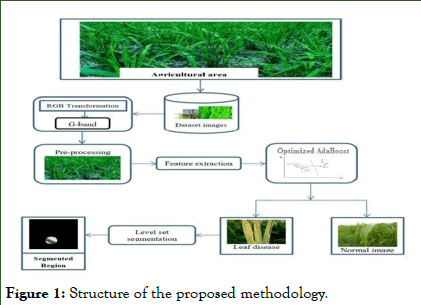
Figure 1: Structure of the proposed methodology.
Below are the well-known contours of Figure 1:
RGB conversion: The images are first gathered from the rural area. The supplied image is converted to RGB format after photo collecting. The RGB color space has a range of to 255 for each parameter. The green band is used in this document to indicate advance handling. The green strip makes a strong distinction between the component of the shining leaf and the foundation.
Initial processing: Pre-processing is a crucial stage in the classification and division process since it increases the accuracy and proficiency of the suggested method. A few clamors of different sizes may be seen in the obtained image. In order to remove the noise from the picture, a middle channel is linked. We also adjust the image's size to 50 by 50. The computation handle will accelerate as a result. We recently converted the image to RGB format using the center channel and we used the green band to promote handling. Condition provides the middle channel's scientific work.
Where, show the output of the median filter and provide the sub-image window's coordinates.
The extraction of features
After pre-processing is finished, the highlight extraction arrangement uses the pre-processed green band image. Surface highlights and color highlights are two types of highlights that are extracted from each image in this article. Dark level cooccurrence lattice (GLCM) highlights for the surface are extracted. Twenty-two highlights in all are available in GLCM. This study uses twelve of these highlights. Two highlights are extracted from every image, apart from color highlights [7].
Extraction of texture features: The surfaces in each image are extracted using the GLCM highlighted in this section. GLCM highlights are extracted from every image in this analysis of twenty-two. The following equations are used to extract the GLCM highlights; Table 1 provides the highlights scientific equation [8].
Feature |
Features name |
Formula |
Descriptor |
Angular second moment |
|
Contrast |
|
|
Inverse difference moment |
|
|
Entropy |
|
|
Correlation |
|
|
Variance |
|
|
Sum average |
|
|
Sum variance |
|
|
Sum entropy |
|
|
Difference entropy |
|
|
Inertia |
|
|
Cluster shade |
|
|
Cluster prominence |
|
|
Dissimilarity |
|
|
Homogeneity |
|
|
Energy |
|
|
Autocorrelation |
|
|
Maximum probability |
|
|
Reverse disparity |
|
|
Moment of inversion of difference |
|
|
First correlation information measure |
|
|
The second correlation's information measure |
|
Table 1: Texture attributes for absorption the gray tone in Table 1 is denoted by GL, and the spatial coordinates of the function p(u,v) are u,v.
Properties of a color histogram
- The color histogram is a well recognized tool for identifying color highlights in images. Our suggested approach uses standard deviation and cruelty to extract color realistic highlights from the rice plant's leaf image.
- Mean by defining a picture's brilliance, the cruel is its ordinary value. For the most part, a dark image contains a moo cruel and a bright one contains a tall cruel. Condition 1 is used to compute the harshness. Here, shown as optimized AdaBoost classifier for color ch at the image pixel.
- Standard deviation additionally known as the square base of the variation, standard deviation is something different. It illustrates how a photo with a moo separation will show moo change and an image with a tall contrast will show a tall fluctuation.
Improved categorization of rice leaf diseases using the AdaBoost clasifier
The selected highlights from the highlight extraction process are sent into the optimized AdaBoost classifier as input. Optimal AdaBoost classifier is the most often used learning approach. The optimized AdaBoost classifier was motivated by the desire to the image is classified as Impact sickness by the optimized AdaBoost clasifier using the selected highlights. The enactment of the optimized AdaBoost classifier is peculiarly affected by ambiguous straight information. However, by using one of the component functions and transferring the data from the data space to the unoccupied high-dimensional space, this problem may be resolved. The information can then be adequately contained after this change. The optimized AdaBoost classifier may provide linear effects with nonlinear alterations by choosing the coordinating portion work and adjusting its bounds. Finding the best conclusion plane is an optimization problem in computing [1]. Think about the M preparing designs. And every design is made up of of many characteristics and every piece of data belongs to one of two types such that the training set is represented as, where, represent the class tags of. In linearly separable data, the line the decision boundary between the +ve and -ve classes was established. In this case, w stands for weight values, b for bias denial and y for input vector or training mode.
Selecting w and b values and positioning the hyper-plane to be as far away from the two planes as feasible are the goals of the optimized AdaBoost classifier. And, where for positive and negative class. These hybridize to a plane in the manner described below [9]:
In the case of non-linear distinct information, the optimized AdaBoost classifier converts the data to a better dimensional space by using part work. The optimized AdaBoost classifier's subjective work is shown below;
This study uses the RBF bit for tall dimensional space. Condition (6) provides a numerical demonstration of the RBF bit.
The following are included in the optimized AdaBoost classifier: Gamma, max depth, min child weight and learning rate.
Adaptive sunflower optimization approach for an improved AdaBoost classifier: ASFOA is the best method for selecting the learning rate, max depth, min child weight and gamma parameters that are shown in the optimized ADABoost classifier. SFO may be a contemporary meta-heuristic computation that uses neighboring sunflowers' fertilization to encourage sunflowers to get closer to daylight. To be precise, there are many optimization computations available, such as cuckoo look (CS), hereditary computation (GA) and molecular Swarm Optimization (PSO). These computations can be used to solve optimization problems, but they quickly reach the neighborhood ideal. However, the suggested optimization method for sunflowers successfully finds a global ideal without being trapped in a local ideal. Additionally, we include the sunflower computation into the require flight method. The process for creating the optimal parameter based on ASFOA is explained below [10].
Phase 1: Encoding the solution: An introduction to optimization computation is provided via arrangement encoding. Here, the settings are first selected in protest. Every flower has its own unique arrangement. Condition 7 provides the arrangement representation.
Step 2: Fitness evaluation: After creating the arrangements, we figure out how healthy each arrangement is. Condition (9) is used to calculate the wellbeing.
Step 3: Using ASFOA for updating at that stage, the ASFO algorithm is used to enhance each arrangement. In order to account for this, we first determine the amount of radiation that each flower has consumed. The source of control is denoted as while the distance from the sun to the flower is represented as. The sunflower's exposure to the sun is then evaluated using condition.
A new capability, namely Gauss change, is added to SFO in order to increase the population's diversity and enhance its capacity for adjacent examination. Gauss change selects Si from the course of action without considering a specific end goal and creates a new course of action based on the condition.
Again, Require Flight (LF) is used to advance the computation. By doing so, you may avoid the local optima and increase the joining speed. Generally speaking, the lines are distributed as follows:
Step 4: The criterion for stopping.
After the optimal arrangement is found, the computation will stop. The optimal AdaBoost classifier receives the selected parameter (Figure 2).
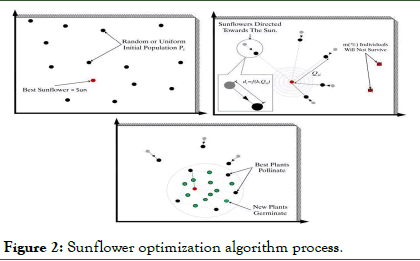
Figure 2: Sunflower optimization algorithm process.
Partitioning using a levelset algorithm
Following the categorization process, the division organizer receives the unusual (infection) photographs. This arrangement separates the affected pieces from the image. In this study, levelset computation for division is presented. One effective dividing tactic is levelset. This method is the numerical methodology that's used to find designs and interfaces. The fundamental idea behind the level set approach is to treat the definitions as a collection of zero-level abnormal capacities. These are addressed in the following viewpoint, known as the level set capacity and a level set capacity is created based on a halfway unique condition (PDE). Pictures of free objects with energetic twists were known to energetic definitions. The Euler- Lagrange criterion is often used to obtain scientific cutting edge models [11].
The zero level set represents the nodes indicated by A in the creation of the level set of moving nodes, also known as active contours of a level set function.
The functionality of the level set is computed using the equation.
The speed function in the equation above is represented by the letter M. The level set function is a prerequisite for the speed function F and the picture information.
Consider, be the group of photos used as input and be a certain picture. Assume as the first purpose, area inside the picture domain, be a subset and each of the boundary locations. Set up initially as a binary operation such that [12].
Results and Discussion
In this section, the efficacy of the proposed rice leaf malady classification using the optimized AdaBoost classifier is assessed. MATLAB adaption 20a is used to implement the suggested method. Intel® Pentium 1.9 GHz CPU, 64-bit operating system, Microsoft® Windows 10 and 4 GB of smash make up the framework configuration. Rice takes off, which are gathered from the Kaggle dataset, are used for exploratory research [13].
Dataset description
In this article, the Kaggle information set is used for exploratory analysis. Using the website https://www.kaggle.com/ jonathanrjpereira/rice-disease, the dataset is gathered. Four varieties of rice leaves brown spot, sound, Hispa and Impact slightest are included in this dataset. Up to 1046 recordings are available in sound and impact leaf addition. These two sets of image recordings are used in this study. Figure 3 displays the input picture division yield [14].
Experimental results
In this section, the exploratory results obtained from the suggested approach are explained. Figure 3 displays the division yield. Figures 4 and 5 provide a graphic illustration of the yield screen.
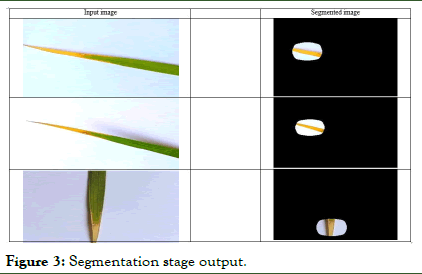
Figure 3: Segmentation stage output.
The segment image of the infected rice leaf was shown in Figure 3.
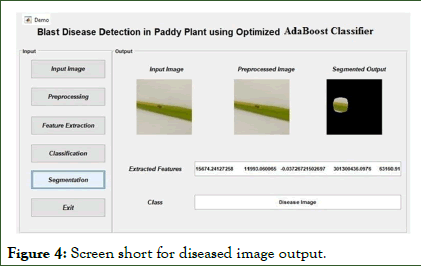
Figure 4: Screen short for diseased image output.
Figure 4 shows the segmented output, preprocessed picture, input image and feature extraction for blast disease detection.
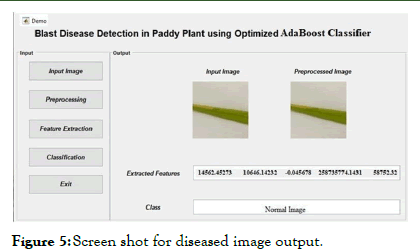
Figure 5: Screen shot for diseased image output.
Figure 5 displays the rice leaf class after resetting the diseased image output.
Comparative analysis with output
We compare our proposed work with several tactics in order to illustrate the effectiveness of the suggested approach. We used KNearest Neighbour based (KNN) disease discovery and optimised AdaBoost classifier cushioned sickness location as a comparison (Figure 6) [15].
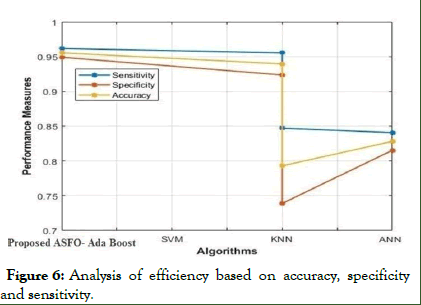
Figure 6: Analysis of efficiency based on accuracy, specificity and sensitivity.
The comparison results of various classifiers based on affectability, specificity and accuracy as shown in Figure 6. According to an analysis of Figure 6, our technique at prepared distance better; much better; higher; stronger; enhanced">an improved exactness of 97.94%, which is 82.8% for optimised AdaBoost clasifier-based classification and 79.29% for KNN-based disease classification. In summary, the strategy we suggest yields the highest affectability of 96.17%, outperforming optimised AdaBoost-based classification by 0.06% and KNN-based classification by 11.91%. Additionally, specificity metrics are also examined in Figure 6. Figure 6 indicates that, in comparison to current techniques, the suggested approach achieves the highest level of specificity. It is clear from the findings that the proposed technique leads the way in terms of exactness, affectability and specificity for current tactics (Figure 7) [16].
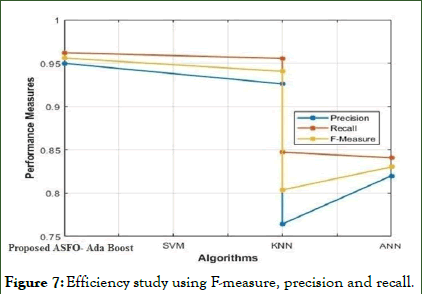
Figure 7: Efficiency study using F-measure, precision and recall.
Figure 7 presents the results of the exactness, review and Fmeasure comparison analysis. In this instance, we evaluate the effectiveness of the suggested method in comparison to three other approaches: SVM-based forecast, KNN-based expectation and optimised AdaBoost classifier-based forecast. Our suggested approach yielded the highest accuracy of 94.96% when analyzing Figure 5, 2.55% higher than optimised AdaBoost-based classification, 24.2% better than KNN-based classification and 15.83% better than optimised AdaBoost-based classification. Furthermore, the data unequivocally shows that our suggested method yields the highest review of 96.94% and F-measure of 95.56% (Figure 8) [17].
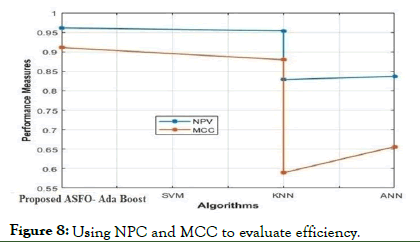
Figure 8: Using NPC and MCC to evaluate efficiency.
Figure 8 presents the yield of the comparison inquiry based on NPV and MCC. Figure 8 analysis shows that, when compared to other techniques, our suggested strategy has the highest NPV of 96.12% and MCC of 91.09% (Figure 9).
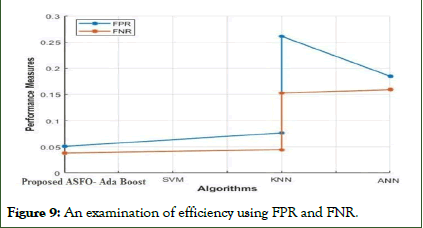
Figure 9: An examination of efficiency using FPR and FNR.
Figure 9 provides an analysis of the significant aspects of the offered approach using FPR and FNR. A good framework should have lower error rates for the FPR and FNR. Upon examination of Figure 9, the recommended methodology yields a far greater, stronger, better and more enhanced yield. The results section makes it quite evident that this suggested strategy produces better results than other approaches (Table 2) [18].
|
Methods |
Accuracy |
Sensitivity |
Specificity |
|
DE+Optimized AdaBoost clasifier |
90.2 |
86.5 |
87 |
|
GA+Optimized AdaBoost clasifier |
91.5 |
89.3 |
89.9 |
|
PSO+Optimized AdaBoost clasifier |
92.12 |
90.1 |
90.3 |
|
ASFO+Optimized AdaBoost clasifier |
96.94% |
96.27 |
95.8 |
Table 2: Comparison using unique computations regarding the same dataset.
The results of the comparison are shown in Table 2. We used specialised optimisation computations, including differential advancement (DE) optimisation, hereditary calculation (GA) and molecular swarm optimisation (PSO), for comparison. The parameters of the optimised AdaBoost clasifier are determined using these optimisation computations. Table 2 shows the various yields we get from each method. Looking at Table 2, the suggested method performed much better than the alternative option. This can be because of the ASFO calculation's points of interest [19].
Comparing with previously published work
We contrast our approach with other dispersed efforts in order to illustrate the productivity of the research activity. Five research papers were used in this instance for comparison. Table 3 presents depictions of each topic in detail [20].
| Plant name | Algorithm | Accuracy (%) |
| Paddy plant | CNN | 93.3 |
| Paddy plant | Optimized AdaBoost clasifier | 91.37 |
| Paddy plant | CNN+Optimized AdaBoost clasifier | 87.5 |
| Paddy plant | KNN | 76.59 |
| Paddy plant | KNN | 89.23 |
| Paddy plant | ASFO+Optimized AdaBoost clasifier | 96.94 |
Table 3: In comparison to published work.
Table 3 shows the results of the comparison analysis. Table 3 analysis revealed that our suggested method had the highest precision of 96.94%. This includes 89.23% for KNN-based rice plant illness classification 76.59% for KNN-based rice leaf classification 87.50% for CNN with optimised AdaBoost clasifier-based rice leaf infection classification 91.37% for optimised AdaBoost clasifier based rice plant illness classification and 93.3% for CNN based rice plant leaf classification. We can see from the results that, when compared to other approaches, our suggested strategy produced the highest yield. The optimised AdaBoost clasifier's ASFO-based parameter optimization may be to blame for this. Farmers will benefit from this strategy in the early stages of disease.
Conclusion
For ranchers, plant malady prediction continues to be a difficult problem. Thus, a successful strategy is needed. As a result, a useful rice leaf illness classification system based on optimised AdaBoost clasifier has been suggested. The optimised AdaBoost clasifier performs better when the parameters are optimally selected with the aid of ASFOA. Both the ASFO and the optimised AdaBoost clasifier scientific expressions have been made very explicit. The implementation of the recommended approach has been examined using unique metrics and its sufficiency in comparison to a different approach. The suggested approach achieves the highest accuracy of 96.94% for the prediction of plant infection. In the future, we will focus on categorizing plant illnesses using deep learning techniques.
Ethics Approval and Consent to Participate
Not applicable.
Human and Animal Rights
No animals/humans were used for studies that are the basis of this research.
Consent for Publication
Not applicable.
Data Availability
In this paper, for test investigation kaggle information set is utilized. The dataset is collected utilizing the site https:// www.kaggle.com/jonathanrjpereira/rice-disease. This dataset contains four sorts of rice leaf such as brown spot leaf, sound leaf, hispa leaf and impact slightest. In solid and impact leaf add up to of 1046 records are accessible. In this work, we utilize these two sets of picture records. The division yield of the input pictures is given in Figure 3.
Funding
None.
Conflict of Interest
The authors declare no conflict of interest, financial or otherwise.
Acknowledgements
Not applicable.
References
- Chakraborty S, Newton AC. Climate change, plant diseases and food security: An overview. Plant Pathol. 2011;60:2-14.
- Bandumula N. Rice production in Asia: Key to global food security. Proceedings of the National Academy of Sciences, India Section B: Bio Sci. 2011;88:1323-1328.
- Vethamuthu RP. A study on determinants of yield of rice cultivation in Tamil Nadu with special reference to Madurai. Int J Current Adv Res. 2017;6(8).
- Nazarov PA, Baleev DN, Ivanova MI, Sokolova LM, Karakozova MV. Infectious plant diseases: Etiology, current status, problems and prospects in plant protection. Acta Naturae. 2020;12(3):46.
[Crossref] [Google Scholar] [PubMed]
- Garcia J, Barbedo A. Digital image processing techniques for detecting, quantifying and classifying plant diseases. SpringerPlus. 2013;2(1):1-12.
- Sinha A, Shekhawat RS. Review of image processing approaches for detecting plant diseases. IET Image Processing. 2020;14(8):1427-1439.
- Liliane TN, Charles MS. Factors affecting yield of crops. Agronomy-climate change & food security. 2020;9.
- Rani RU, Amsini P. Pest identification in leaf images using optimized AdaBoost classifier. Int J Computat Intel Informat. 2020;6(1):248-260.
- Prajapati HB, Shah JP, Dabhi VK. Detection and classification of rice plant diseases. Intel Decision Technol. 2020;11(3):357-373.
- Gayathri Devi T, Neelamegam P. Riceleaf disease detection using optimized AdaBoost classifier with RBFN classifier. Int J Pure Applied Math. 2020;117(15):699-710.
- Ramesh S, Vydeki D. Recognition and classification of rice leaf diseases using optimized deep neural network with Jaya algorithm. Inform Process Agri. 2020;7(2):249-260.
- Nalini S, Krishnaraj N, Jayasankar T, Vinothkumar K, Sagai A. Rice leaf disease detection using an optimized deep neural network. Comput Mater Contin. 2021;68(1):1117-1128.
- Neha M, Priyanka BR, Soumya GH, Pooja R. Rice leaf disease detection using image processing and machine learning. Int J Innov Res Electr Electron Instrum Control Eng. 2019;7(2):97-99.
- Nigam A, Tiwari AK, Pandey A. Rice leaf diseases recognition and classification using PCA and BFO-DNN algorithm by image processing. Mater Today Proc. 2020;33:4856-4862.
- Deshmukh R, Deshmukh M. Detection of rice leaf diseases. Int J Comp Applicat. 1996;975:8887.
- Islam MA, Shuvo MNR, Shamsojjaman M, Hasan S, Hossain MS, Khatun T. An automated convolutional neural network based approach for rice leaf disease detection. Int J Adv Comp Sci App. 2020;12:12.
- Atila Ü, Uçar M, Akyol K, Uçar E. Plant leaf disease classification using EfficientNet deep learning model. Eco Inform. 2020;61:101182.
- Chao X, Sun G, Zhao H, Li M, He D. Identification of apple tree leaf diseases based on deep learning models. Symmetry. 2020;12(7):1065.
- Ramesh S. Recognition and classification of paddy leaf diseases using optimized deep neural network with Jaya algorithm. Inform Proces Agriculture. 2020;72:249-260.
- Nilam Sachin P. Identification of paddy leaf diseases using evolutionary and machine learning methods. J Comp Math Edu. 2020;2:1672-1686.
Citation: Dubey RK, Choubey DK (2025) Detection of Diseases in Rice Plant Using Optimized AdaBoost Classifier. Int J Swarm Evol Comput. 14:429.
Copyright: © 2025 Dubey RK, et al. This is an open-access article distributed under the terms of the Creative Commons Attribution License, which permits unrestricted use, distribution and reproduction in any medium, provided the original author and source are credited.