
Indexed In
- Open J Gate
- Academic Keys
- ResearchBible
- China National Knowledge Infrastructure (CNKI)
- Centre for Agriculture and Biosciences International (CABI)
- RefSeek
- Hamdard University
- EBSCO A-Z
- OCLC- WorldCat
- CABI full text
- Publons
- Geneva Foundation for Medical Education and Research
- Google Scholar
Useful Links
Share This Page
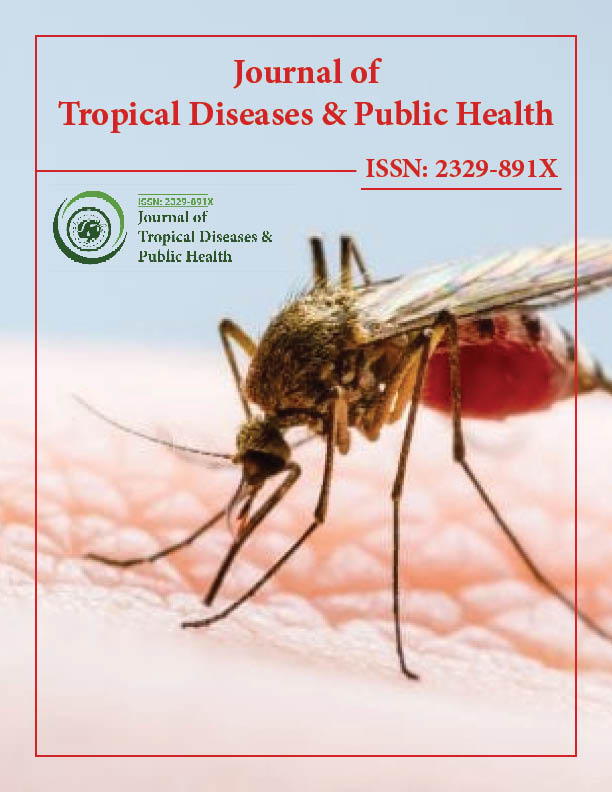
Journal Flyer
Open Access Journals
- Agri and Aquaculture
- Biochemistry
- Bioinformatics & Systems Biology
- Business & Management
- Chemistry
- Clinical Sciences
- Engineering
- Food & Nutrition
- General Science
- Genetics & Molecular Biology
- Immunology & Microbiology
- Medical Sciences
- Neuroscience & Psychology
- Nursing & Health Care
- Pharmaceutical Sciences
Emerging Infectious Diseases and Rare Clinical Syndromes: Challenges for Precision Medicine
2nd International Conference on Rare Diseases and Orphan Drugs
February 16-17, 2026 | Rome, Italy
Annelies Wilder-Smith
London School of Hygiene & Tropical Medicine, United Kingdom
Scientific Tracks Abstracts: JTD
Abstract:
Rare infectious disease syndromes represent a significant challenge to global healthcare systems due to their low prevalence, diverse clinical manifestations, and limited availability of evidence-based therapeutic options. Although substantial progress has been achieved in infectious disease surveillance, molecular diagnostics, and pathogen identification, the timely diagnosis and effective management of rare infectious diseases remain difficult. Delayed diagnosis often results in disease progression, inappropriate treatment, increased healthcare costs, and poorer patient outcomes. Recent advances in precision medicine have opened new avenues for understanding the complex interactions between host genetics, pathogen characteristics, and environmental factors that influence disease susceptibility and clinical severity.
This presentation explores the integration of genomics, molecular epidemiology, and personalized medicine into the diag nosis and management of rare infectious diseases. The application of next-generation sequencing, whole-genome sequenc ing, transcriptomics, and advanced bioinformatics has significantly improved the identification of novel pathogens and host genetic variants associated with rare infectious syndromes. Finally, the presentation addresses current challenges related to regulatory frameworks, ethical considerations, global data sharing, and equitable access to advanced diagnostic technol ogies.
Biography :
Annelies Wilder-Smith is an internationally recognized infectious disease physician and researcher. Her work focuses on emerging infectious diseases, travel medicine, vaccine research, and global health. She has served on numerous internation al scientific advisory groups and has contributed extensively to infectious disease preparedness, surveillance, and public health policy.