

Indexed In
- RefSeek
- Hamdard University
- EBSCO A-Z
- Publons
- Euro Pub
- Google Scholar
Useful Links
Share This Page
Journal Flyer
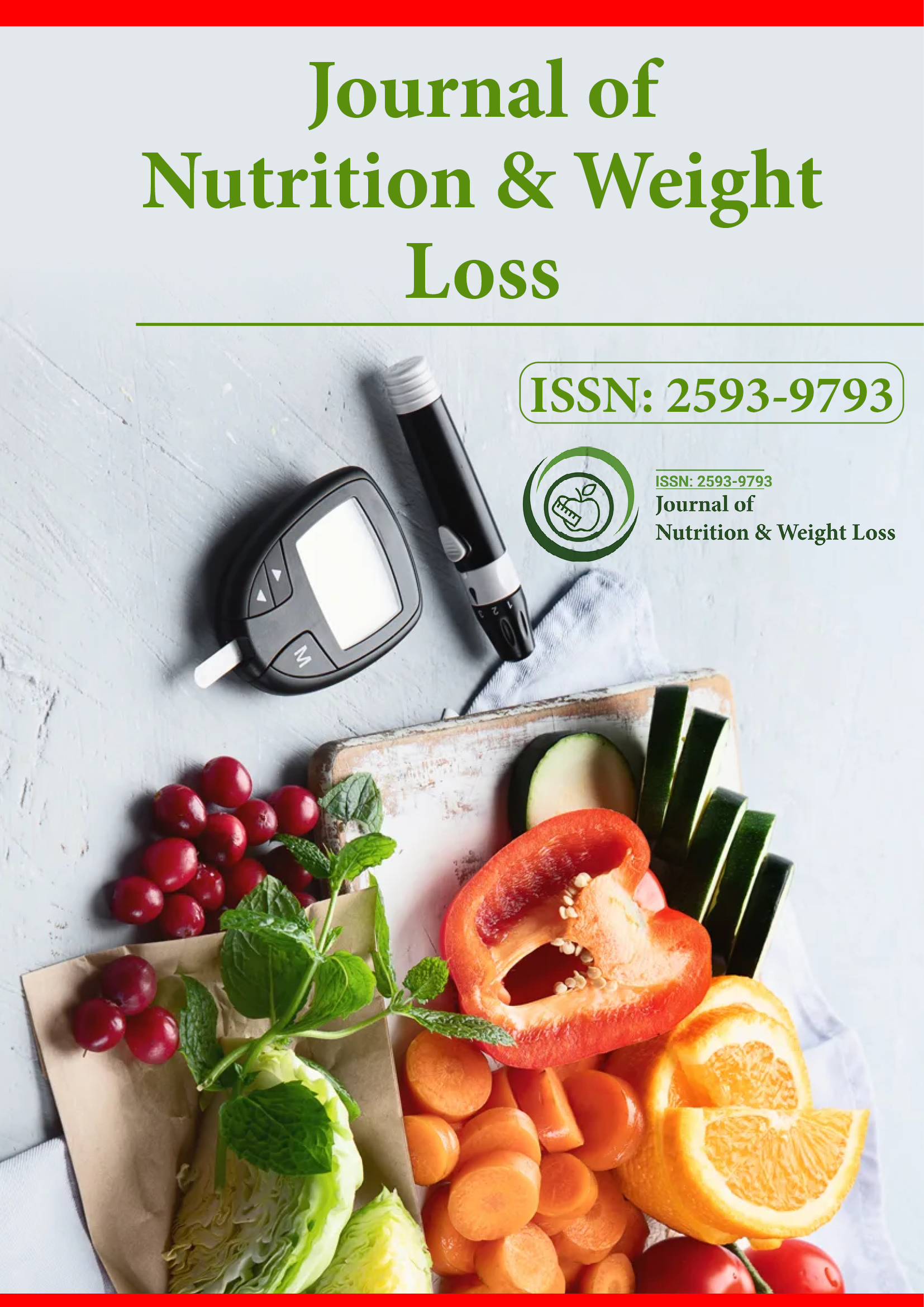
Open Access Journals
- Agri and Aquaculture
- Biochemistry
- Bioinformatics & Systems Biology
- Business & Management
- Chemistry
- Clinical Sciences
- Engineering
- Food & Nutrition
- General Science
- Genetics & Molecular Biology
- Immunology & Microbiology
- Medical Sciences
- Neuroscience & Psychology
- Nursing & Health Care
- Pharmaceutical Sciences
Commentary - (2026) Volume 11, Issue 1
The Impact of Sleep Duration on Hormonal Regulation and Weight Control
Helen Evans *Received: 26-Dec-2024 , Manuscript No. JNWL-24-28050; Editor assigned: 30-Dec-2024 , Pre QC No. JNWL-24-28050 (PQ); Reviewed: 13-Jan-2025 , QC No. JNWL-24-28050; Revised: 08-Jan-2026 , Manuscript No. JNWL-24-28050 (R); Published: 15-Jan-2026 , DOI: 10.35248/2593-9793.26.11.264
Description
Sleep plays a key role in overall health, and its impact on weight control and hormonal regulation is a growing area of research. Studies have shown that inadequate or poor-quality sleep can significantly disrupt the body's hormonal balance, leading to changes in appetite, metabolism, and fat storage, all of which can contribute to weight gain. Conversely, adequate sleep supports the regulation of hormones that control hunger, metabolism, and fat accumulation, making it an important factor in maintaining a healthy weight.
The relationship between sleep and weight is largely influenced by two key hormones: Ghrelin and leptin. Ghrelin, often referred to as the "hunger hormone," stimulates appetite, while leptin, known as the "satiety hormone," signals to the brain when to stop eating. Sleep deprivation has been shown to increase ghrelin levels and decrease leptin levels, leading to heightened hunger and a reduced sense of fullness. This imbalance makes it more likely for individuals who are sleepdeprived to overeat, particularly craving high-calorie foods. As a result, inadequate sleep can increase the risk of weight gain and obesity, as individuals are more likely to consume excessive calories when their hunger signals are disrupted.
Additionally, sleep deprivation can affect the body's ability to regulate insulin, a hormone responsible for controlling blood sugar levels. When sleep duration is insufficient, insulin sensitivity decreases, meaning the body becomes less efficient at processing glucose from food. This can lead to higher blood sugar levels and increased fat storage, especially around the abdominal area. Over time, poor sleep and its impact on insulin regulation may contribute to the development of insulin resistance, a precursor to type 2 diabetes and metabolic syndrome. These metabolic disturbances are closely associated with weight gain and difficulty losing body fat.
Cortisol, another hormone that plays a significant role in the body's stress response, is also impacted by sleep. Cortisol levels naturally rise in the morning to help wake the body up and fall throughout the day. However, inadequate sleep can cause cortisol levels to remain elevated, leading to increased stress. Chronic stress, in turn, can result in emotional eating and cravings for comfort foods, often those high in sugar and fat. Elevated cortisol levels also contribute to fat accumulation, particularly in the abdominal region. This can lead to an increase in visceral fat, which is associated with higher risks of cardiovascular disease and other metabolic disorders.
Beyond the hormonal effects, sleep duration also influences overall energy balance and physical activity levels. Lack of sleep can leave individuals feeling fatigued and less motivated to engage in physical activity. Reduced physical activity further exacerbates weight gain, as the body burns fewer calories throughout the day. Inadequate sleep has been linked to a decrease in energy expenditure, meaning individuals may not burn as many calories as they would with sufficient rest. Furthermore, when sleep-deprived, individuals tend to be less active throughout the day, which can contribute to a sedentary lifestyle and the accumulation of excess body fat.
On the other hand, adequate sleep helps maintain a healthy balance of hormones that support weight control. For instance, sleep is essential for the regulation of growth hormone, which is involved in the repair of tissues, muscle growth, and fat metabolism. Growth hormone levels are highest during deep sleep stages, particularly during slow-wave sleep. This hormone plays a role in promoting fat breakdown and muscle building, and proper sleep enhances its secretion. When sleep is compromised, growth hormone production is reduced, which can hinder fat loss and muscle preservation, both of which are key components of healthy weight management.
The timing of sleep also plays a role in weight control. Disruptions to the circadian rhythm, such as irregular sleep patterns or shift work, can lead to metabolic disturbances that increase the risk of weight gain. The body's internal clock helps regulate the timing of hormone release, including those that control hunger and metabolism. When this clock is misaligned due to poor sleep habits, it can lead to increased hunger, reduced energy expenditure, and altered fat storage. Studies have shown that individuals who sleep at irregular times or have disrupted sleep schedules are at greater risk for obesity and metabolic diseases compared to those who maintain regular sleep patterns.
Sleep duration also influences appetite regulation by affecting the brain’s reward system. Inadequate sleep can alter brain activity, increasing the desire for high-calorie, pleasure-inducing foods. This is particularly true for foods high in sugar and fat, which can trigger dopamine release in the brain, providing a sense of reward and reinforcing unhealthy eating behaviors. Sleep deprivation has been shown to increase activity in the brain's reward centers, making it more difficult for individuals to resist food cravings and stick to a healthy eating plan.
The impact of sleep duration on weight control is not limited to the hormonal and metabolic aspects. Quality sleep also contributes to emotional and psychological well-being, which can, in turn, affect eating behaviors and weight management. Sleep deprivation can lead to irritability, stress, and mood disturbances, which are often linked to overeating or emotional eating. Individuals who are tired or stressed may be more likely to use food as a coping mechanism, turning to unhealthy foods to manage negative emotions. Conversely, when individuals get sufficient, restorative sleep, they are better equipped to make healthier food choices and manage stress in a more effective way.
Conclusion
In conclusion, sleep duration plays a critical role in the regulation of hormones that control appetite, metabolism, and fat storage, all of which influence weight control. Insufficient sleep leads to disruptions in the balance of ghrelin, leptin, cortisol, and insulin, promoting overeating, increased fat storage, and reduced fat burning. These hormonal changes contribute to weight gain and difficulty losing body fat. Moreover, inadequate sleep can decrease energy expenditure and physical activity levels, further exacerbating weight gain. Ensuring adequate, high-quality sleep is therefore a vital component of any weight management strategy, supporting hormonal balance, appetite regulation, and healthy metabolic function. Prioritizing sleep can enhance efforts to control weight, prevent obesity, and reduce the risk of related health conditions, ultimately contributing to better overall health and well-being.Citation: Evans H (2026) The Impact of Sleep Duration on Hormonal Regulation and Weight Control. J Nutr Weight Loss. 11:264.
Copyright: © 2026 Evans H. This is an open-access article distributed under the terms of the Creative Commons Attribution License, which permits unrestricted use, distribution, and reproduction in any medium, provided the original author and source are credited.