
Indexed In
- The Global Impact Factor (GIF)
- CiteFactor
- Electronic Journals Library
- RefSeek
- Hamdard University
- EBSCO A-Z
- Virtual Library of Biology (vifabio)
- International committee of medical journals editors (ICMJE)
- Google Scholar
Useful Links
Share This Page
Journal Flyer
Open Access Journals
- Agri and Aquaculture
- Biochemistry
- Bioinformatics & Systems Biology
- Business & Management
- Chemistry
- Clinical Sciences
- Engineering
- Food & Nutrition
- General Science
- Genetics & Molecular Biology
- Immunology & Microbiology
- Medical Sciences
- Neuroscience & Psychology
- Nursing & Health Care
- Pharmaceutical Sciences
Research Article - (2025) Volume 24, Issue 2
Oral healthcare professionals perceptions on prescribing mouthwash with insight into pre-procedural rinse.
Sushma Rudraswamy1*, Jai Shankar Puttabuddi Hombarvali2 and Nagabhushana Doggalli22Department of Oral Medicine and Radiology, JSS Dental College and Hospital, Mysore, India
Received: 15-Jul-2024, Manuscript No. OHDM-24-26489; Editor assigned: 18-Jul-2024, Pre QC No. OHDM-24-26489 (PQ); Reviewed: 01-Aug-2024, QC No. OHDM-24-26489; Revised: 14-Apr-2025, Manuscript No. OHDM-24-26489 (R); Published: 21-Apr-2025, DOI: 10.35248/2247-2452.25.24.1129
Abstract
Mouthwashes claim to kill bacterial plaque, which causes periodontal diseases, dental caries and bad breath. The indications of mouthwashes include: Treatment of gingivitis, periodontitis and halitosis and maintenance of oral hygiene, particularly following periodontal and other oral surgical procedures or in mentally or physically disabled patients. Studying the effects of mouthwash and other oral antiseptic rinses on infectious viruses is not a novel idea. But amid the ongoing pandemic, fueled by a contagious pathogen often found in people’s mouths and noses, there is now great interest in this area and the present study aimed to explore oral healthcare professionals’ perceptions on prescribing mouth wash with insight into pre-procedural rinse during COVID-19. A descriptive cross-sectional study through Google forms was conducted, which included 20 questions, where 110 responses were recorded. The results showed that the majority of 90.9% prescribe mouthwash to their patients, significantly largest part of 93% prescribed to patients for periodontal aspect such as plaque control, gingivitis or periodontitis, the larger part of 67% for halitosis and lesser part of 2% for dental sensitivity. For the practice of mouth wash during the COVID-19 pandemic, more participants admitted to using pre-procedural rinses for patients in their clinic setting. They viewed this as decreasing oral bacterial load or preventing possible disease transmission with everyone staying inside or working from home during the lockdown. An outstanding 90% of oral healthcare professionals advised alternate home remedy measures to be followed in mouth rinsing.
The study shows that present-day oral health professionals are much more aware and prefer mouthwashes depending on the clinical condition. A significant percentage of them use pre-procedural rinses in practice for patients, which aims to reduce SARS-CoV-2 viral load and the cross-infection risk while treating patients during the COVID-19 pandemic.
Keywords
Mouthwash, Oral healthcare professionals, Perceptions, Pre-procedural rinse
Introduction
The primary way of preventing oral diseases is plaque control. Though mechanical plaque removal is the most effective way, several studies have recommended using mouthwashes as an adjunct to control plaque. Mouthwashes are liquids that have different properties like anti-inflammatory, antimicrobial and analgesic action. Based on origin or content, it is of two types chemical and herbal [1].
Chlorhexidine mouthwash is the gold standard mouthwash, an excellent example of a chemical mouthwash prescribed by most oral healthcare professionals. Chlorhexidine, if ingested in excessive quantity, can cause overdose symptoms such as nausea, vomiting, drunkenness and many more. In some individuals, other adverse reactions can occur because of allergic reactions, for example, white patches on lips or mouth, salivary gland swelling, irritation or dryness of mouth, reduced sensation and unpleasant taste. Long-period usage of products with chlorhexidine content can cause stains on teeth, tongue, gums and restorations made of silicate and resin and alter the sense of taste. Hence, it cannot be used for daily prophylactic measures.
The herbal mouthwash contains phytochemicals, a natural ingredient with anti-inflammatory and antimicrobial effects. It has natural herbs that clean teeth and gingiva and function with no alcohol, artificial flavor, preservatives or color [2].
There is a variation of mouthwash products on the market with a range of active and inactive ingredients to choose from between oral healthcare professionals. Any use of one specific category of mouthwash will continue to be disputable. Prescribing a particular product for a specific patient based on suitability can be challenging. Increasingly, dental patients are providing medication histories that include herbal medicines. Alternative or complementary medicine is becoming more popular nowadays because people are warier of its benefits and effect. Patients will turn to oral healthcare professionals to prescribe products with the welfare of their oral health in mind. It would be substantial if measures that are cost-effective with fewer side effects were promoted.
Although several studies have shown the role of mouthwashes in plaque control, there is an overall scarcity of information regarding the oral healthcare professionals’ perception of mouthwashes as agents of plaque control. The proximity to the patient during dental care, high generation of aerosols and the identification of SARS-CoV-2 in saliva have suggested the oral cavity as a potential reservoir for COVID-19 transmission. Research is urgently needed to determine its potential for use against this new virus [3].
A study among oral health professionals will provide information that can be used to establish the adequacy of their knowledge of mouthwashes and their attitude towards mouthwashes in maintaining good oral hygiene. The findings can also be used in formulating dental health education programs for oral health care professionals. The study's main objective was to establish the oral healthcare professionals’ perception of mouthwashes in terms of their constituent ingredients, short and long-term side effects and their attitude toward using mouthwashes as plaque control agents. And to assess current awareness of the use of mouthwashes against the COVID-19 pandemic [4].
Materials and Methods
A cross-sectional questionnaire study among the oral healthcare professionals through Google forms was carried out. Approval from the Institutional Ethical Committee, JSS Dental college Hospital, JSS Academy of Higher Education and Research to collect data was obtained. Those willing to participate in the study were included in the study. The names of the oral healthcare professionals were not sought or recorded and the information in the questionnaires were treated with the utmost confidentiality. A pretested questionnaire consisting of 20 items was used. It was a self-administered questionnaire in English administered online through Google form. Questions were categorized into three domains:
- Demographics (Age, gender, type of practice).
- Active ingredients and side effects.
- Preference for mouthwashes.
Data were entered and analyzed using an excel sheet and SPSS version 22 (SPSS Inc, Chicago, IL, U.S.A.). Means, standard deviations, and frequency distributions were calculated. The significance level was set at 0.05.
Results
This cross-sectional questionnaire study had 110 respondents, 61.8% were female and the rest male. Participants with a greater number of 49.5% were aged between 36 to 45 years, while 29.9% are 24 to 35 years old. 67.9% were in a teaching institution and the least 3.8% were in government hospitals (Table 1) [5].
| Demographic | Description | Frequency (%) |
| Gender | Male | 32 (38.2) |
| Female | 68 (61.8) | |
| Age (years) | 24-35 | 32 (29.9) |
| 36-45 | 53 (49.5) | |
| 46-55 | 20 (18.7) | |
| 56-65 | 2 (1.9) | |
| Type of practice | Government hospital | 4 (3.8) |
| Private practice | 30 (28.3) | |
| Teaching institution | 72 (67.9) |
Table 1. Demographic details of the study participants.
The results showed that majority of 90.9% prescribed a mouthwash to their patients and a minority of 9.1% did not.
Almost 38% participants prescribed mouthwash to 30%-50% of their patients daily (Table 2) [6].
No |
Questions |
Description |
Frequency (%) |
1) |
Do you prescribe a mouthwash to your patients? |
Yes |
100 (90.9) |
No |
10 (9.1) |
||
2) |
What percentage of patients in a day would you prescribe mouthwashes to? |
<10% |
43 (43.4) |
10%-30% |
38 (38.4) |
||
30%-50% |
12 (12.1) |
||
>50% |
6 (6.1) |
||
3) |
What conditions do you prescribe mouthwash? |
Plaque control/Gingivitis/Periodontitis |
93 (93) |
Halitosis |
67 (67) |
||
Dental caries |
24 (24) |
||
Stomatitis/Ulcers |
43 (43) |
||
Sensitivity |
2 (2) |
||
Post-surgical healing |
1 (1) |
||
Xerostomia, pericoronitis |
1 (1) |
||
4) |
Do you have a particular brand to prescribe? |
A brand |
18 (18) |
Multi brand |
82 (82) |
||
5) |
Why do you prefer that particular brand? |
Palatable taste |
25 (27.5) |
Proven effective |
81 (89) |
||
Cheap |
19 (20.9) |
||
Easily available |
49 (53.8) |
||
6) |
Do you think mouthwash plays any sole role? |
Inhibit plaque formation |
33 (33.7) |
Heal mouth ulcers |
9 (9.2) |
||
Relief stomatitis discomfort |
13 (13.3) |
||
All of above |
70 (71.4) |
||
7) |
Should mouthwash be used routinely? |
Yes |
46 (46) |
No |
54 (54) |
||
8) |
How many times in a day to use mouthwash is advisable? |
Once |
14 (14.3) |
Twice |
81 (82.7) |
||
Thrice |
3 (3) |
||
9) |
When to use mouthwash is advisable? |
Before brushing |
8 (8.1) |
After brushing |
52 (52.5) |
||
Before meals |
7 (7.1) |
||
After meals |
63 (63.6) |
||
10) |
What are the results of the long-term use of mouthwash? |
Change in taste perception |
61 (62.2) |
Allergic reactions |
16 (16.3) |
||
Extrinsic tooth stains |
88 (89.8) |
||
Supragingival calculus |
17 (17.3) |
||
Teratogenic effect |
14 (14.3) |
||
11) |
What type of mouthwash do you like to prescribe? |
Herbal |
9 (9.1) |
Chemical |
19 (19.2) |
||
It depends on the clinical condition |
71 (71.7) |
||
12) |
Is herbal mouthwash more beneficial than chemical type? |
Yes |
10 (10.5) |
No |
23 (24.2) |
||
Maybe |
62 (65.3) |
||
13) |
Are you aware that herbal mouthwashes are commercially available? |
Yes |
73 (73.7) |
No |
26 (26.3) |
||
14) |
Do you practice pre-procedural rinses on patients? |
Yes |
80 (80.8) |
No |
19 (19.2) |
||
15) |
Is herbal mouthwash helpful as pre-procedural rinses during COVID-19? |
Yes |
20 (20.2) |
No |
16 (16.2) |
||
Maybe |
63 (63.6) |
||
16) |
What is the most significant benefit of pre-procedural rinses for patients? |
Decrease oral bacterial load |
85 (85) |
Decrease risk of postoperative infection |
49 (49) |
||
Decrease aerosolization of bacteria |
50 (50) |
||
Prevent possible disease transmission |
61 (61) |
||
17) |
Do you suggest any alternative home remedy mouth rinse? |
Yes |
90 (90) |
No |
10 (10) |
||
18) |
What is the standard alternative home remedy measure to suggest? |
Saline/Salt water gargling/Salt added warm water |
(75.3) |
Oral irrigation |
9 (9.3) |
||
Others |
15 (15.4) |
Table 2. Frequency distribution of the responses to the questionnaire by the study participants.
Significantly largest part of 93% prescribed to patients for periodontal aspect such as plaque control, gingivitis or periodontitis, larger part of 67% for halitosis and lesser part of 2% for dental sensitivity. 82% prescribed specifically a particular brand of mouthwash to patients, while others recommend multiple brands. The majority of 89% stated they prefer a specific brand because it is proven effective in clinical trials, 53.8% because it is readily available, 27.5% for palatable taste and the remaining because it is cheap [7].
33.7% opined that mouthwash has a sole role in inhibiting plaque formation, 13.3% believed it relieves discomfort from stomatitis, only 9.2% said it aids in mouth ulcer healing, while the rest gave option for all three. Moreover, almost half think mouthwash should not be used routinely (Figures 1 and 2) [8].
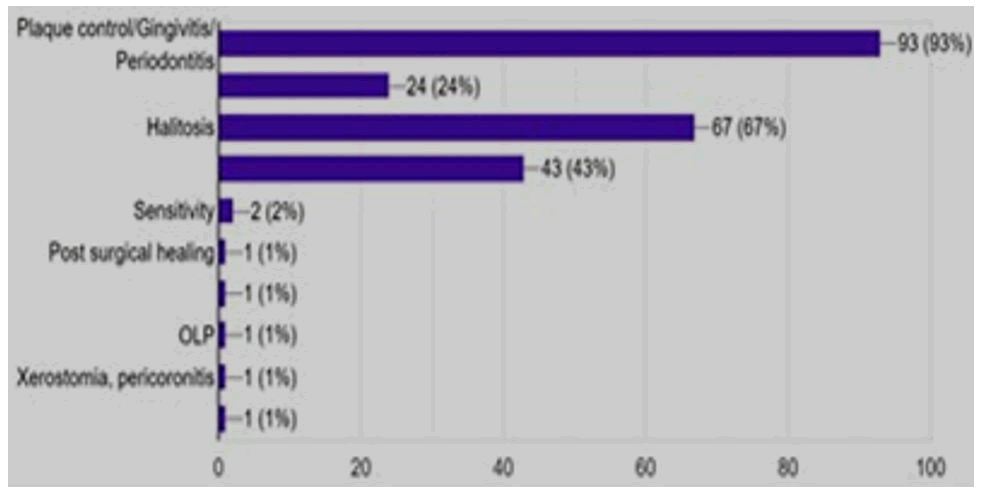
Figure 1. The oral health conditions for which mouthwash was prescribed by professionals.
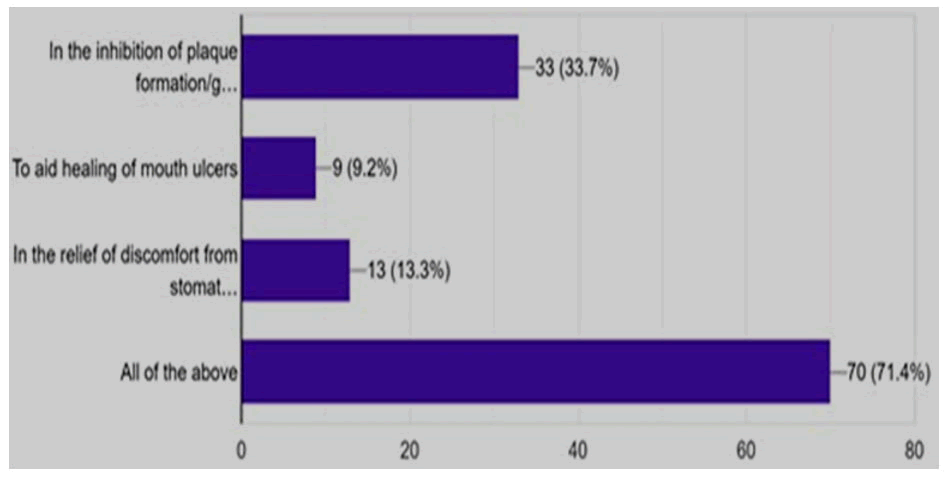
Figure 2. Professionals' opinion regarding the sole role of mouthwash.
Majorly 82.7% recommend their patients to use mouth wash twice a day while just 14.3% for once a day. 63.6% of oral healthcare professionals suggest to use mouth wash after meals and as low as 7.1% to before meals, and after tooth brushing than (Figure 3) [9].
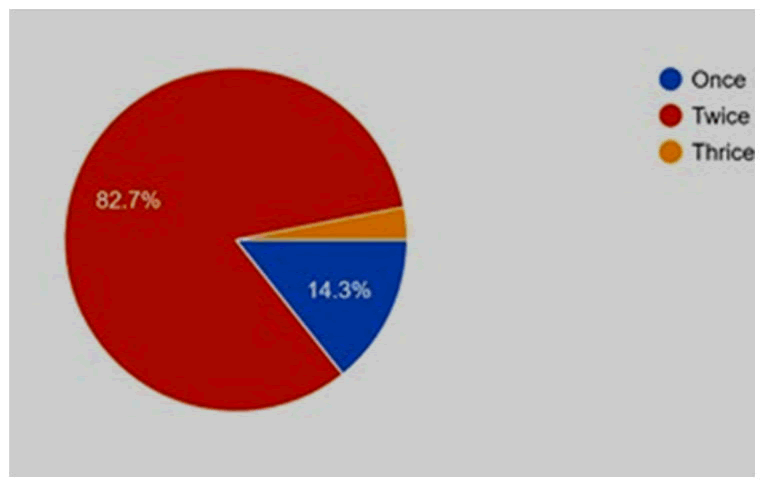
Figure 3. Number of times the professionals advice their patients to use mouthwash.
Notably, 89.8% assumed that long term use of mouthwash will leave extrinsic stains on tooth surface and 62.2% assumed taste perception will change, while remaining thought it will develop allergic reaction, form supragingival calculus and cause teratogenic effect (Figure 4) [10].
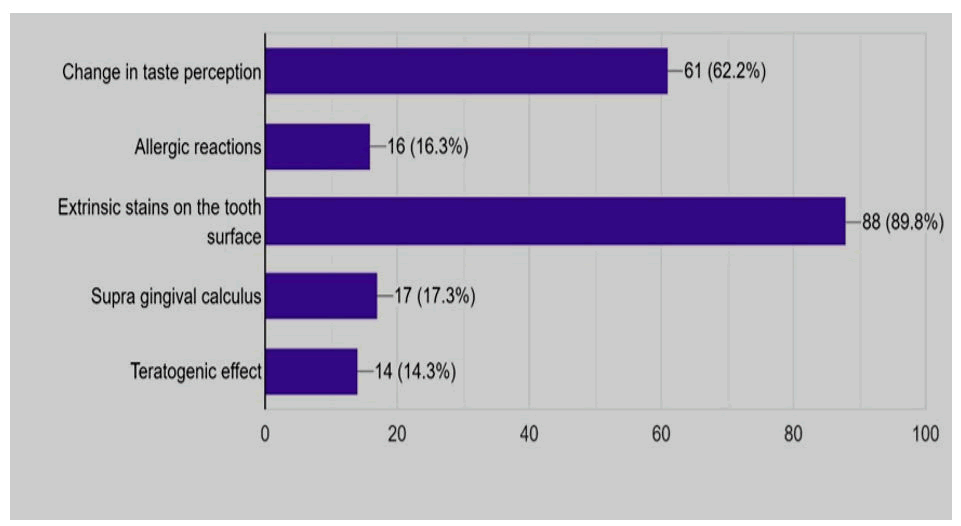
Figure 4. Professionals perception regarding long term usage of the mouthwash.
Furthermore, when prescribing, markedly 71.7% prefer to depend on clinical conditions of patients and as many as 19.2% advised chemical type than herbal mouthwash. As low as 10.5% presume that herbal mouthwash is more beneficial than chemical type while outstanding of 65.3% opted maybe. Almost three quarter of participants were aware that herbal mouthwash is available commercially while the others were not (Figure 5) [11].
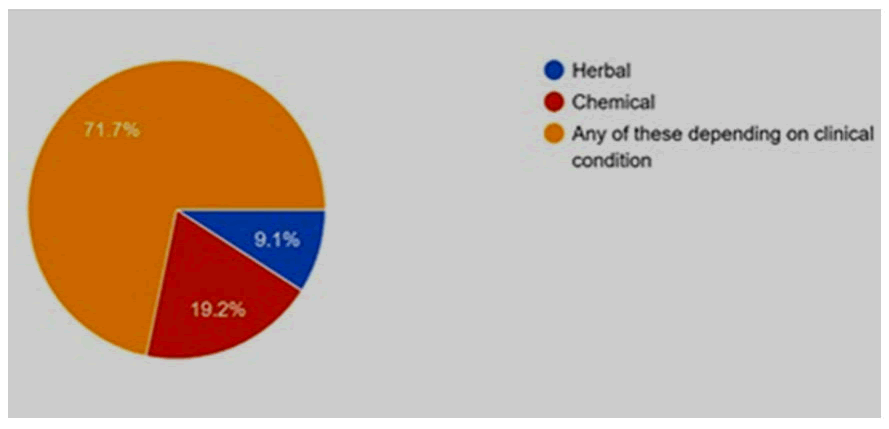
Figure 5. Professionals preference for mouthwash prescription.
Besides, a remarkable 80.8% use pre-procedural rinses in practice for patients and a minor of 19.2% do not use. With COVID-19 in mind, a fragment of 20.2% considers herbal mouthwash as pre-procedural rinses will be helpful and most of 63.6% were undecided and not sure. In perceiving the greatest benefits of pre-procedural rinse, 85% assume to decrease oral bacterial load and 61% think to prevent possible disease transmission. Estimate of the same view as to decrease bacterial aerosol and decrease chances of postoperative infection. In addition, precisely 90% would suggest an alternative in mouth rinsing as home remedy measure to be followed (Figure 6) [12].
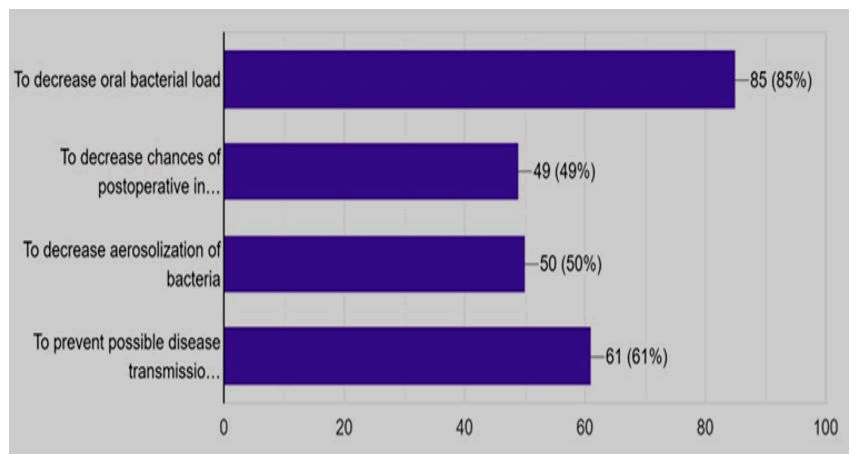
Figure 6. Professionals perception regarding benefits of pre-procedural rinsing.
The majority of more than 75% recommended salt water gargling as the most common alternative in mouth rinsing as home remedy measures, while the remaining suggest either oil pulling, extracted tea, betadine application into nostril, turmeric and lime or sodium carbonate [13].
Discussion
The purpose of this cross-sectional questionnaire study was to establish perception from oral health professionals on mouthwashes based on its constituent ingredients, short and long-term side effects and attitudes towards its usage as plaque control agents [14].
To begin with, more than half of 110 participants who are female showed willingness to participate in the study. In age-wise distribution of participants, at least more than 24 years old were considered as oral healthcare professionals presumably after completion of undergraduate studies. Almost majority were in teaching institution considering the circulation of the questionnaires among colleagues and peers [15].
First and foremost, significantly 91% of participants prescribed mouthwashes to patients and majority 43.4% of them prescribed to less than 10% of patients in a given day. Besides, only 19.2% preferred to prescribe chemical more than herbal mouthwash. Oral health care professionals assessed the nature and content of mouthwash based on clinical scenario and condition; the formulation of mouth wash was not a concern. Most of prescriptions were written for treatments of periodontal diseases such as gingivitis, periodontitis and halitosis. Van Zyl, et al., suggested that only gingivitis would respond to mouthwash and periodontitis would not. In the present study, the larger part of participants prescribed mouthwash depending on clinical conditions of patients since a correct diagnosis has to be made for correct treatment to be prescribed [16].
Moreover, only a minority of 18% prescribed mouthwash with a particular brand in mind and further 81% of them indicated that it has to be proven effective in clinical trials. This attested that mouthwash products should have details regarding their successful attempts in previous clinical experiments to boost its market as well as actually undergone clinical trials or use it on patients. Successful clinical trial and studies should be taken up to prove its effectiveness [17].
Regarding perceived knowledge about mouthwash, the majority believed that it will inhibit plaque formation, gingivitis and periodontitis, heal mouth ulcers and relief stomatitis discomfort. This proves that awareness needs to be implemented regarding many more preventive and therapeutic benefits of mouthwash usage in patients such as anti-bacterial, analgesic, anti-inflammatory, breath freshening, caries prevention, salivary substitutes, etc. Also, more than half thought that mouthwash should not be used in routine, contradict with the fact that it should be an adjunct to the primary mechanical method of tooth brushing although not as a substitute.
In knowing frequency of mouthwash use, vast majority recommends for twice a day, after tooth brushing or after meals, similarly to a study by Mitha S, et al., in patients, most participants would rinse daily and after brushing. When asked about long-term use of mouthwash, many agreed it would leave extrinsic stains on tooth surface or change in taste perception in patients while these are well known unwanted side effect of chlorhexidine mouthwash, others being staining of tongue, gingival desquamation and painful mucosa [18].
In comparing herbal with chemical type mouthwash, 63% professionals are in dilemma that herbal mouthwash is more beneficial than routine chemical formulations. This needs to be clarified by systematic clinical trial proving the efficacy of herbal mouthwash. Only 19.2% prefer to prescribe chemical more than herbal and identically almost one quarter familiar that chemical is more beneficial than herbal mouthwash. The rest of the mass are neutral between chemical and herbal interchangeably in a meta-analysis study of 11 studies, 4 favor chlorhexidine use, 2 favor herbal extract while 5 see no difference between both mouthwashes. Although almost three quarter are aware that herbal mouthwash exists commercially but with less prescription, it should be opted out because they are less toxic, leave less adverse effects and more affordable than chemical type [19].
For practice of mouth wash during COVID-19 pandemic, the greater number of participants admitted to use pre-procedural rinses for patients in their clinic setting and viewed that this is to decrease oral bacterial load or prevent possible disease transmission. With everyone staying inside or working from home during lockdown, an outstanding of 90% of oral healthcare professionals advised for alternate home remedy measures to be followed in mouth rinsing, most commonly were salt water gargling, oil pulling or extracted tea, all of which within the reach in the kitchen and convenience as homemade oral hygiene aids. A high SARS-CoV-2 viral load has also been detected in saliva and its presence has even been suggested in periodontal pockets. These findings agree with previous investigations that have suggested that virus transmission can be closely connected with saliva interactions making oral tissues a possible reservoir from which SARSCoV- 2 transmission may occur during coughing, sneezing, talking, and even during dental care [20].
Although there is still no clinical evidence that the use of mouthwashes could prevent SARS-CoV-2 transmission, the American Dental Association (ADA) and the Center for Disease Control and Prevention (CDC) have recommended the use of preprocedural mouthwashes before oral procedures. Recent publications have suggested that rinsing the oral cavity may control and reduce the risk of transmission of SARSCoV- 2. However, specific evidence for the safety and efficacy of the use of antiseptic mouthwashes in COVID-19 positive patients is lacking and unclear. This in particular warrants further clinical study to find how long the mouthwash effect on the coronavirus might last in real COVID-19 patients [21].
Conclusion
The use of mouthwashes can be varied, depending on the lesion/condition present in the mouth. The findings from the study may be used to encourage cost effective measures in oral health maintenance voiding any adverse effects. And also, to spread awareness regarding complementary and alternative medicine through continuing dental health education program for oral healthcare professionals that will eventually help improve patient education on the use of mouthwashes. We suggest the use of preprocedural mouthwashes in dental practice to reduce SARS-CoV-2 viral load from previous dental procedures and to reduce the cross-infection risk while treating patients during the pandemic.
Source(S) of Support in the Form of Grants
Nil.
Conflict of Interest
Nil.
Acknowledgements
We would like to acknowledge all the participants for their valuable contribution in this study by responding to the questionnaire.
References
- Gunsolley JC. Clinical efficacy of antimicrobial mouthrinses. J Dent. 2010;38:6-10.
[Crossref] [Google Scholar] [PubMed]
- DePaola LG, Spolarich AE. Safety and efficacy of antimicrobial mouth rinses in clinical practice. J Dent Hyg. 2007;81:13-25.
- Freires IA. Clinical applicability of natural product(s)-containing mouthwashes as adjunctive treatment of biofilm-induced gingivitis: A systematic review. Rev Bras Pl Med Botucatu. 2012;14:700-11.
- Barnett ML. The rationale for the daily use of an antimicrobial mouth rinse. J Am Dent Assoc. 2006;137:16S-21S.
[Crossref] [Google Scholar] [PubMed]
- Kanani DON. Antiseptic mouth rinses: An update on comparative effectiveness, risks and recommendations. J Dent Hygie. 2013;87:12.
[Google Scholar] [PubMed]
- Renuka, Muralidharan. Comparison in benefits of herbal mouthwashes with chlorhexidine mouthwash: A review. Asian J Pharm Clin Res. 2017;10:3-7.
- Gupta D, Nayan S, Tippanawar HK, et al. Are herbal mouthwash efficacious over chlorhexidine on the dental plaque? Pharmacognosy Res. 2015;3:277-81.
[Crossref] [Google Scholar] [PubMed]
- Biswas G, Anup N, Acharya S, et al. Evaluation of the efficacy of 0.2% chlorhexidine versus herbal oral rinse on plaque-induced gingivitis-A randomized clinical trial. IOSR J Nurs Health Sci. 2014;2:58-63.
- Aspalli S, Shetty VS, Devarathnamma MV, et al. Evaluation of antiplaque and antigingivitis effect of herbal mouthwash in treatment of plaque-induced gingivitis: A randomized, clinical trial. J Indian Soc Periodontol. 2014;18:48-52.
[Crossref] [Google Scholar] [PubMed]
- Jhakukreja B, Dodwad V. Herbal mouthwashes-A gift of nature. Int J Pharm Bio Sci. 2012;2:46-52.
- Sunayana M, Sajjid H, Umesh W, et al. The mouthwash war-chlorhexidine vs. herbal mouth rinses: A meta-analysis. J Clin Diagno Res. 2016;10.
[Crossref] [Google Scholar] [PubMed]
- Clinical efficacy of antimicrobial mouthrinses
- Macfarlane TV, Kawecki MM, Cunningham C, et al. Mouthwash use in general population: Results from adult dental health survey in Grampian, Scotland. J Oral Maxillofac Res. 2010;1:4.
[Crossref] [Google Scholar] [PubMed]
- Crossref
- Sowndarya B, Dhanraj, Rakshagan. Knowledge attitude and practice among the dental practitioners regarding the prescription of herbal mouthwashes. Int J Recent Sci Res. 2017;8:16604-6.
- Google Scholar
- Badran Z, Gaudin A, Struillou X, et al. Periodontal pockets: A potential reservoir for SARS-CoV-2? Med Hypoth. 2020;143:109907.
- Siqueira WL, Moffa EB, Mussi MC, et al. Zika virus infection spread through saliva-a truth or myth. Braz Oral Res. 2016;30:806-32.
[Crossref] [Google Scholar] [PubMed]
- Anschau V, Sanjuan R. Fibrinogen gamma chain promotes aggregation of vesicular stomatitis virus in saliva. Viruses. 2020;12:282.
[Crossref] [Google Scholar] [PubMed]
- Peng X, Xu X, Li Y, et al. Transmission routes of 2019-nCoV and controls in dental practice. Int J Oral Sci. 2020;12.
- Ather A, Patel B, Ruparel NB, et al. Coronavirus disease 19 (COVID-19): implications for clinical dental care. J Endod. 2020;584-95.
[Crossref] [Google Scholar] [PubMed]
Citation: Rudraswamy S, Hombarvali JSP, Doggalli N. Oral healthcare professionals perceptions on prescribing mouthwash with insight into pre-procedural rinse. Oral Health Dent Manage 2025;24(2):1139.