
Indexed In
- Open J Gate
- Genamics JournalSeek
- Academic Keys
- JournalTOCs
- ResearchBible
- Electronic Journals Library
- RefSeek
- Hamdard University
- EBSCO A-Z
- OCLC- WorldCat
- Proquest Summons
- SWB online catalog
- Virtual Library of Biology (vifabio)
- Publons
- MIAR
- Euro Pub
- Google Scholar
Useful Links
Share This Page
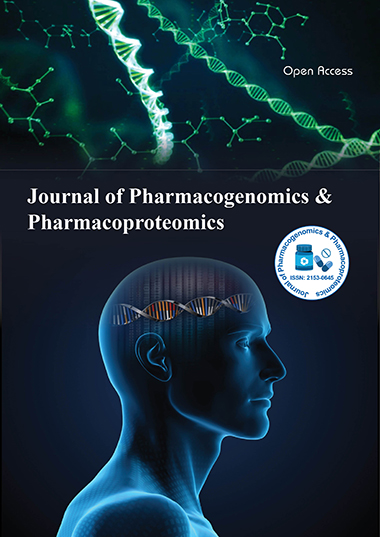
Journal Flyer
Open Access Journals
- Agri and Aquaculture
- Biochemistry
- Bioinformatics & Systems Biology
- Business & Management
- Chemistry
- Clinical Sciences
- Engineering
- Food & Nutrition
- General Science
- Genetics & Molecular Biology
- Immunology & Microbiology
- Medical Sciences
- Neuroscience & Psychology
- Nursing & Health Care
- Pharmaceutical Sciences
Commentary - (2025) Volume 16, Issue 2
Drug Response Prediction: Molecular and Clinical Approaches for Anticipating Therapeutic Outcomes
Isabella Romano *Received: 30-May-2025 , Manuscript No. JPP-25-32575; Editor assigned: 02-Jun-2025 , Pre QC No. JPP-25-32575; Reviewed: 16-Jun-2025 , QC No. JPP-25-32575; Revised: 23-Jun-2025 , Manuscript No. JPP-25-32575; Published: 30-Jun-2025 , DOI: 10.35248/2153-0645.25.16.136
Description
Drug response prediction involves estimating how an individual patient is likely to respond to a particular medicine before or during treatment. Patients with the same diagnosis may experience different levels of therapeutic benefit, adverse reactions, or treatment failure. These differences can arise from genetic variation, disease characteristics, protein expression, drug metabolism, immune activity, age, organ function, lifestyle and interactions with other medicines. Combining these factors can provide useful information for selecting treatments and monitoring their effects.
Genetic information is an important component of drug response prediction. Variants in genes encoding metabolic enzymes, transporters, receptors and immune-related proteins can influence medication behavior. For example, differences in cytochrome P450 genes may alter the rate at which certain medicines are metabolized. Some individuals may process a drug rapidly, while others may process it slowly. Such variation can influence drug concentration and therapeutic activity.
Protein-level information provides another source of predictive data. Proteins directly participate in cellular signaling, drug transport, metabolism and therapeutic target interactions. Changes in protein abundance or activity can indicate whether a biological pathway is active or suppressed. Pharmacoproteomic profiling can therefore identify protein patterns associated with treatment response. In oncology, protein expression within tumor tissue may provide information about the activity of receptors or signaling pathways targeted by specific medicines.
Disease-related molecular features can also influence treatment outcomes. Cancer cells, for example, may contain genetic mutations, altered signaling pathways and changes in protein expression that affect sensitivity to anticancer medicines. Molecular characterization can help identify patients whose tumors contain specific features associated with response to selected therapies. Similar principles are being applied in infectious diseases, autoimmune disorders and other conditions where biological variation affects treatment effectiveness.
Pharmacokinetic information is another major component of response prediction. Pharmacokinetics describes what the body does to a medicine through absorption, distribution, metabolism and elimination. Differences in liver function, kidney function, gastrointestinal absorption, body composition and drug transport can alter the concentration of a medicine over time. Predictive models can incorporate these variables to estimate drug exposure and assist with dose selection.
Pharmacodynamic information describes how a medicine affects the body. Drug concentration alone may not accurately predict therapeutic activity because individuals can have different sensitivities to the same concentration. Receptor abundance, intracellular signaling, disease severity and downstream biological processes can influence the response. Combining pharmacokinetic and pharmacodynamic information can provide a more complete representation of treatment effects.
Patient characteristics are also important. Age, sex, body weight, organ function, nutritional status, previous treatment history and concurrent medicines can influence drug response. For example, impaired kidney function may reduce the elimination of medicines that are primarily cleared through the kidneys. Older patients may also experience altered drug metabolism and increased sensitivity to certain medicines. Including these variables can improve the clinical relevance of predictive models.
Artificial intelligence and machine learning methods are increasingly used to analyze complex clinical and molecular datasets. These computational approaches can process large numbers of variables and identify relationships between patient characteristics and treatment outcomes. Algorithms may use genomic profiles, laboratory measurements, medical records, imaging data, medication history and clinical outcomes to generate response predictions.
Predictive models can be developed using different statistical and computational techniques. Logistic regression can estimate the probability of a defined treatment outcome, while survival models can examine time until an event occurs. Decision trees, random forests, support vector machines and neural networks can identify more complex relationships between variables. The suitability of each method depends on the type and quality of available data.
Biomarkers are particularly useful for drug response prediction. A biomarker may be a genetic variant, protein, metabolite, cellular feature, or measurable clinical characteristic associated with treatment outcome. Predictive biomarkers differ from diagnostic markers because their primary purpose is to provide information about the likely effect of a specific therapy. When validated appropriately, biomarkers can help clinicians identify patients who may benefit from particular treatments.
In cancer care, predictive biomarkers are used to guide the selection of molecularly targeted medicines and immunotherapies. Specific genetic alterations or protein markers may indicate that a tumor has a biological feature targeted by a particular medicine. Conversely, certain molecular characteristics may indicate reduced sensitivity or increased likelihood of treatment resistance. Biomarker-guided treatment can therefore reduce the use of medicines that are unlikely to benefit selected patients.
Drug resistance presents a major challenge for response prediction. Resistance may result from genetic changes, altered drug transport, increased drug metabolism, changes in target structure, or activation of alternative cellular pathways. Repeated molecular measurements can provide information about changes occurring during treatment. This information may assist clinicians in determining whether continuation of the current medicine is appropriate or whether another treatment should be considered.
Citation: Romano I (2025). Drug Response Prediction: Molecular and Clinical Approaches for Anticipating Therapeutic Outcomes. J Pharmacogenom Pharmacoproteomics. 16:136.
Copyright: © 2025 Romano I. This is an open-access article distributed under the terms of the Creative Commons Attribution License, which permits unrestricted use, distribution and reproduction in any medium, provided the original author and source are credited.