

Indexed In
- Open J Gate
- The Global Impact Factor (GIF)
- Open Archive Initiative
- VieSearch
- International Society of Universal Research in Sciences
- China National Knowledge Infrastructure (CNKI)
- CiteFactor
- Scimago
- Ulrich's Periodicals Directory
- Electronic Journals Library
- RefSeek
- Directory of Research Journal Indexing (DRJI)
- Hamdard University
- EBSCO A-Z
- Publons
- Google Scholar
Useful Links
Share This Page
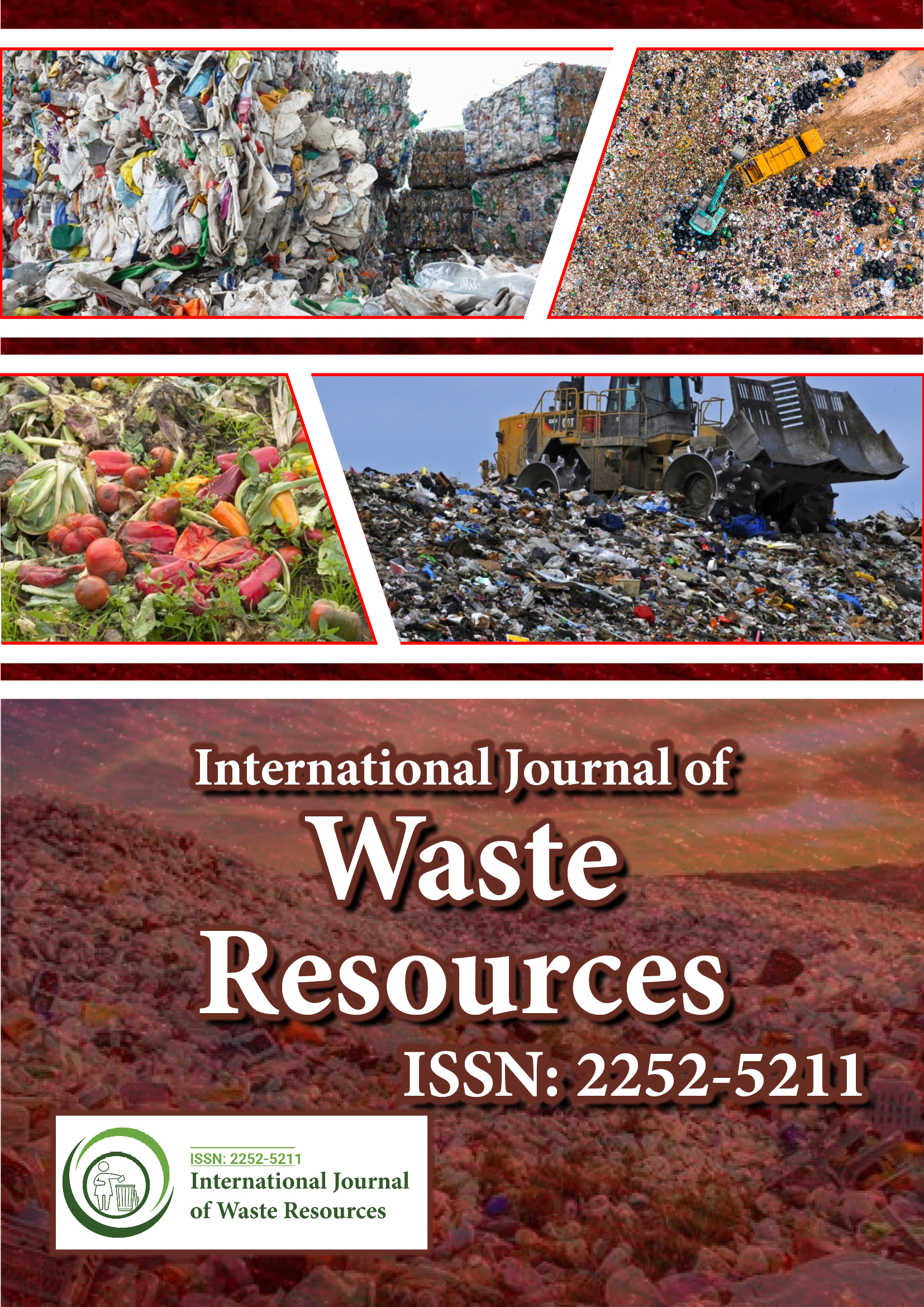
Journal Flyer
Open Access Journals
- Agri and Aquaculture
- Biochemistry
- Bioinformatics & Systems Biology
- Business & Management
- Chemistry
- Clinical Sciences
- Engineering
- Food & Nutrition
- General Science
- Genetics & Molecular Biology
- Immunology & Microbiology
- Medical Sciences
- Neuroscience & Psychology
- Nursing & Health Care
- Pharmaceutical Sciences
Commentary - (2026) Volume 16, Issue 2
Decarbonization Strategies: Building Cleaner Pathways for a Low-Carbon Future
Kenji Morimoto*Received: 29-May-2026, Manuscript No. IJWR-26-32115; Editor assigned: 01-Jun-2026, Pre QC No. IJWR-26-32115; Reviewed: 15-Jun-2026, QC No. IJWR-26-32115; Revised: 23-Jun-2026, Manuscript No. IJWR-26-32115; Published: 29-Jun-2026, DOI: 10.35248/2252-5211.26.16.651
Abstract
Description
Decarbonization refers to the process of reducing carbon dioxide emissions and lowering dependence on activities that release large amounts of greenhouse gases. It has become an important focus for industries, governments, communities and organizations seeking to create more sustainable systems. The main objective of decarbonization is to transform energy production, transportation, manufacturing and daily activities in ways that reduce carbon emissions while supporting economic and social development. For many decades, fossil fuels such as coal, oil and natural gas have supported global industrial growth. These energy sources have provided electricity, transportation fuels and materials for numerous industries. However, their widespread use has contributed to increasing carbon emissions and environmental changes. Decarbonization focuses on reducing these emissions by improving energy efficiency, adopting cleaner energy sources and developing alternative methods for production and consumption.
The energy sector plays a major role in decarbonization efforts. Renewable energy sources, including solar, wind, hydro and geothermal power, provide alternatives to traditional fuel-based electricity generation. Expanding renewable energy systems can help reduce emissions from power production while supporting reliable energy access. Energy storage technologies and improved electricity networks also support the integration of renewable sources into modern energy systems. Transportation is another important area where decarbonization activities are being developed. Vehicles powered by gasoline and diesel contribute significantly to carbon emissions. Electric vehicles, hydrogenbased systems and improved public transportation options are being introduced to reduce the environmental effects of mobility. Better transportation planning and efficient infrastructure can also decrease unnecessary fuel consumption.
Industrial sectors face unique challenges because many manufacturing processes require large amounts of energy and produce carbon emissions. Industries such as steel, cement, chemicals and heavy manufacturing are exploring alternative production methods, cleaner energy sources and improved resource efficiency. These changes can help reduce emissions while maintaining industrial productivity and meeting market demands.
Buildings also have an important role in reducing carbon emissions. Heating, cooling, lighting and electricity use in residential and commercial structures contribute to energy consumption. Improving building designs, increasing insulation efficiency and using renewable energy systems can reduce energy requirements. Smart energy management tools allow users to monitor consumption patterns and make better decisions regarding resource use.
Carbon capture and storage is another approach connected with decarbonization. This method involves collecting carbon dioxide from industrial processes or energy facilities and storing it safely to prevent release into the atmosphere. Although this technology requires careful planning and suitable locations, it may support emission reduction efforts in sectors where eliminating carbon output completely is difficult. Agriculture and land management are also connected with decarbonization goals. Farming activities can produce greenhouse gases through livestock operations, fertilizer use and land changes. Sustainable agricultural practices, improved soil management and responsible land use can help reduce emissions. Protecting forests and restoring natural ecosystems can also support carbon absorption from the atmosphere.
Businesses are increasingly developing carbon reduction plans as environmental expectations continue to grow. Companies may evaluate their energy consumption, supply chains, production methods and waste management practices to identify areas for improvement. Reducing emissions can improve resource efficiency and support long-term operational stability. Many organizations are also setting emission reduction targets to measure their progress over time.
Governments influence decarbonization through policies, regulations, financial programs and international cooperation. Public policies can encourage investment in renewable energy, clean technologies and efficient infrastructure. National and regional plans often include emission reduction goals that guide future development. Cooperation between countries is also important because climate-related challenges extend beyond geographical boundaries.
Although decarbonization offers many environmental benefits, several difficulties remain. Transitioning from traditional energy systems requires financial resources, technical knowledge and careful planning. Public participation is an important part of successful decarbonization. Individual choices related to energy use, transportation, consumption habits and waste management can influence overall emission levels. Education and awareness programs can help people understand the importance of reducing carbon output and encourage responsible actions.
Technological advancement continues to support decarbonization efforts. Improvements in renewable energy equipment, energy storage, electric mobility and digital energy management systems are creating new opportunities for reducing emissions. Collaboration between scientists, engineers, industries and communities helps develop practical solutions for changing energy and production systems. Decarbonization represents a broad approach to addressing carbon emissions across different areas of society. It requires cooperation, innovation and long-term planning from multiple sectors. By reducing reliance on high-emission activities and adopting cleaner alternatives, societies can move toward more sustainable patterns of development.
Citation: Morimoto K (2026). Decarbonization Strategies: Building Cleaner Pathways for a Low-Carbon Future. Int J Waste Resour. 16:651
Copyright: © 2026 Morimoto K. This is an open-access article distributed under the terms of the Creative Commons Attribution License, which permits unrestricted use, distribution and reproduction in any medium, provided the original author and source are credited