

Indexed In
- RefSeek
- Directory of Research Journal Indexing (DRJI)
- Hamdard University
- EBSCO A-Z
- OCLC- WorldCat
- Scholarsteer
- Publons
- Euro Pub
- Google Scholar
Useful Links
Share This Page
Journal Flyer

Open Access Journals
- Agri and Aquaculture
- Biochemistry
- Bioinformatics & Systems Biology
- Business & Management
- Chemistry
- Clinical Sciences
- Engineering
- Food & Nutrition
- General Science
- Genetics & Molecular Biology
- Immunology & Microbiology
- Medical Sciences
- Neuroscience & Psychology
- Nursing & Health Care
- Pharmaceutical Sciences
Research Article - (2025) Volume 11, Issue 4
Adrenomedullin in Cerebrospinal Fluid: Potential Role in Central Nervous System Diseases and Reliable Measure Using an Automated Method
Furlani Matteo1, Visentini Daniela2, Cussigh Anna Rosa2, Pesente Fiorenza1, Janes Francesco3, Tascini Carlo2,4, Curcio Francesco1,2 and Fabris Martina1,2*2Department of Laboratory Medicine, University Hospital of Udine, Udine, Italy
3Department of Clinical Neurology, Udine University Hospital, Udine, Italy
4Department of Infectious Diseases, Udine University Hospital, Udine, Italy
Received: 20-Oct-2024, Manuscript No. CMBO-24-27216; Editor assigned: 22-Oct-2024, Pre QC No. CMBO-24-27216 (PQ); Reviewed: 05-Nov-2024, QC No. CMBO-24-27216; Revised: 19-Mar-2025, Manuscript No. CMBO-24-27216 (R); Published: 26-Mar-2025, DOI: 10.35841/2471-2663.25.11.224
Abstract
Background and aim: Adrenomedullin (ADM) is a potent hormone-like peptide induced by hypoxia and inflammatory cytokines, that exerts an important vasodilation effect, which resulted protective in case of myocardial infarction and brain injuries. ADM is rapidly induced in the initial stages of sepsis, so the dosage of its more stable precursor fragment called Mid-Regional (MR)-proADM is currently recommended to assist triaging of patients suspected for sepsis in the emergency department. Much more limited is its use in the context of neurological disease, since its dosage is only certified in plasma. In this report we highlighted ADM functions in neurological pathophysiology in order to support the importance of its dosage also in the Cerebrospinal Fluid (CSF).
Methods: MR-proADM concentrations were measured samples using a fully automated platform (Brahms Kryptor Gold Analyzer, Thermo Scientific, Germany), applying the same analytical condition in plasma and CSF samples, to finally set up an accurate laboratory protocol to validate its dosage in CSF.
Results: MR-proADM is highly stable in CSF samples stored at room temperature for up to 48 hours, allowing it to be measured with confidence also in CSF samples that may be left on the bench for several hours. In addition, the repeatability and within-laboratory precision of the MR-proADM assay using CSF samples appeared equal to or better than those obtained by the manufacturer using plasma samples, allowing the use of this assay, with high precision, also for CSF samples.
Conclusion: To date, there are no reports about MR-proADM routine testing in Cerebrospinal Fluid (CSF). Based on our review of its role in the central nervous system and the reliability of its measure in CSF, we believe that MRproADM is a highly promising biomarker in infectious, inflammatory and degenerative neurological diseases.
Keywords
MR-proADM; Adrenomedullin; Cerebrospinal fluid; Brain damage; Vasoactive peptide
Introduction
Adrenomedullin (ADM) is a member of the Calcitonin GeneRelated Peptide (CGRP) family of proteins which was isolated for the first time from human pheochromocytoma cells and exerts an important hypotensive effect. As well as other biologically active peptides, ADM is evolutionary conserved and widely distributed and expressed throughout mammalian tissues, including the brain. Its expression was demonstrated in almost all cell types, including neurons and glial cells. The expression of ADM is induced by hypoxia and inflammatory cytokines, such as Tumor Necrosis Factor-α (TNF-α) and Interleukin 1α (IL-1α), whereas Interferon γ (IFN-γ) and Transforming Growth Factor β1 (TGF-β1) down regulate ADM transcription. In addition to cytokines, other factors such as lipopolysaccharides, endotoxins and physical stress also impact on the synthesis and release of ADM [1]. Similar to many other hormones, ADM is synthesized as a large precursor known as prepro-ADM, consisting of 185 amino acids (Figure 1). This precursor is subsequently converted into proADM, a 164 amino acid peptide, by cleaving the N-terminal signal-peptide. Pro-ADM is then split into three vasoactive peptides (Proadrenomedullin N-terminal 20 peptide (PAMP), adrenotensin pro-ADM153-185 (ADT) and immature ADM (iADM)), and one inactive fragment (MR-proADM), for which no physiological function has been already identified. The reliability of ADM measurement in body fluids is limited by its very low picomolar concentrations due to its rapid degradation by proteases and binding to AMBP-1, also known as complement factor H, so its half-life is very short (only 22 minutes). In contrast, the biologically inactive MR-proADM is more stable and has a longer half-life. Since ADM and MRproADM are produced 1:1 during post-trascriptional processes, measuring MR-proADM is a reliable estimation of ADM concentration [2].
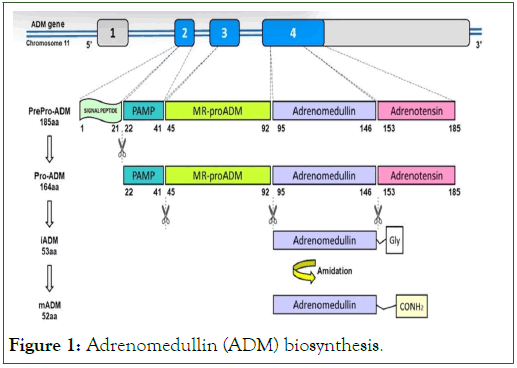
Figure 1: Adrenomedullin (ADM) biosynthesis.
Note: The expression of human ADM gene leads to the production of the precursor protein prepro-ADM. Further posttranslational processing generates pro-ADM, consisting in the bioactive Proadrenomedullin N-terminal 20 Peptide (PAMP), Mid-Regional pro-ADM (MR-proADM), Adrenotensin (ADT) and immature ADM (iADM). Enzymatic amidation converts iADM into the mature form of ADM (mADM).
The hypotensive action of ADM is carried out by inducing vasodilation through the activation of the endothelial adenylate cyclase and stimulating the release of Nitric Oxide (NO), that is the most potent molecule inducing vasorelaxation in humans. NO protects the vessel wall from vasoconstriction and thrombosis regulating smooth muscle cell proliferation, platelet activation and leucocyte recruitment. In this way ADM may be considered a surrogate marker of NO. On the other side, the most potent vasoconstrictor is Endothelin-1 (ET-1). The complex interplay between these 3 bioactive molecules, ADM, NO and ET-1, all secreted by the endothelium, regulates vascular integrity [3-5].
In addition to vasorelaxation, ADM is involved in other physiological functions such as antiapoptotic, angiogenetic and antioxidant activities and this was primarily demonstrated at the cardiac level, where it exerts a protective effect during human myocardial infarction.
Recent studies have shown that ADM, as a marker of endothelial dysfunction, is rapidly induced in the initial stages of sepsis and become extremely elevated when sepsis progresses to multiple organ failure: In such a way it represents a convenient biomarker for early identification of patients with severe infections progressing to multiple organ failure, as was largely demonstrated in numerous COVID-19 studies, in which high MR-proADM levels predicted the risk of developing critical illness. On the other hand, it can be used to assist triaging in the emergency department, allowing to safely discharged patients with suspected infections.
The exceptionality of MR-proADM also derives from its kinetic profile, since it is more rapidly produced compared to CReactive Protein (CRP) and Procalcitonin (PCT), consistent with previous studies that indicate MR-proADM as a more accurate biomarker than CRP and PCT in stratifying disease severity and predict treatment response.
In our opinion, all these exceptional features can be translated to the Central Nervous System (CNS), where MR-proADM could represent a promising prognostic and critical care marker.
In fact, as concerns the neurological tissues, ADM directly promotes cellular growth and neoangiogenesis and acts as a neuromodulator, disclosing an important protective effect against brain injuries. ADM is highly expressed in the spinal cord and a recent study showed that dorsal root ganglions and spinal motor neurons both express and are targets of ADM action, providing the possible mechanisms to explain the beneficial role of ADM in protecting, survival and regeneration of sensory and motor neurons. The same autocrine loop active in neurons is also present in astrocytes and cerebral endothelial cells, since they released ADM and express its functional receptor on cell surface. The first studies about the role of ADM in the context of brain injury gave conflicting results, describing both beneficial and detrimental effects [6]. Only successive genetic experiments provide an explanation. In a permanent focal ischemia mice model, when ADM is knocked out in neurons, the infarct volume and the consequent brain damage were increased, demonstrating that in neurons ADM exerts a neuroprotective action mediated by inducible NO synthase, matrix metalloprotease 9 and COX-2. On the other hand, when ADM is knocked out in endothelial cells, infarct volume and brain damage were reduced, demonstrating that ADM in the endothelium has a harmful effect on brain injury. In fact, patients with stroke disclosed ADM overexpression and higher ADM expression correlates with stroke severity and poor prognosis. Thus, ADM exerts different biological effects in different cell context and, independently or collectively, contribute to brain vascular pathology.
For example, in neurons, increased levels of ADM and its related peptides, may induce the destabilization of cytoskeletal proteins resulting in axon transport impairment and synaptic failure that finally cause neuronal degeneration as in Alzheimer's Disease (AD). In fact, AD patients present increased brain ADM and some authors proposed to measure ADM or its precursor fragment, MR-proADM, in blood, as a marker to predict progression from pre-dementia to clinical AD. In addiction, reducing ADM expression may represent a new therapeutic option to prevent and treat AD.
On the other hand, ADM produced by cerebral vascular endothelium plays a key role to restore endothelial stability and permeability following severe infection, since ADM is involved in the physiological maintenance of the blood-brain barrier.
Currently available assays for MR-proADM are only certified for plasma samples. To date, there are no reports about MRproADM routine testing in Cerebrospinal Fluid (CSF). Based on our review of its role in CNS, we believe that MR-proADM may have an important role as a prognostic biomarker of CNS infectious, inflammatory and degenerative diseases. To be widely and appropriately measured in a diagnostic setting, MRproADM testing in CSF need to be validated according to international guidelines. For this reason, we designed an accurate study to validate the analysis of MR-proADM in CSF using the method currently available in our laboratory.
Materials and Methods
MR-proADM assay on Kryptor analyser (Thermo Scientific, Hennigsdorf, Germany)
MR-proADM concentrations were measured in CSF using the B.R.A.H.M.S MR-proADM fluoroimmunoassay on the Brahms Kryptor Gold Analyzer (Thermo Scientific, Hennigsdorf, Germany), that is a fully automated homogeneous phase random access platform. The system uses the TRACE™ (TimeResolved Amplified Cryptate Emission) technology to measure the fluorescence signal emitted by an immunocomplex. MRproADM results are expressed in nmol/L. The declared linearity in plasma EDTA samples ranges from 0.21 to 100 nmol/L, with a maximum bias of ± 20%. The manufacturer's reference range for EDTA plasma samples is <0.56 nmol/L, corresponding to the 97.5th percentile of a control series, which disclosed a median value of 0.38 nmol/L. The Limit of Detection (LoD) is 0.09 nmol/L, while the Limit of Quantitation (LoQ) is 0.21 nmol/L (IFU_B. R. A. H. M. S MR-proADM Kryptor assay; 07 Apr 2022; Thermo Scientific, Hennigsdorf, Germany. This MRproADM immunoassay is currently certified only for plasmaEDTA blood samples and the manufacturer recommends immediate centrifuge to preserve molecular stability at room temperature (18-25°C) or at 2-8°C up to 24 hours. Afterwards, samples should be aliquoted and frozen at -20°C or below. Plasma samples can be kept frozen up to 14 days, and the analyte is considered stable for up to 4 freeze/thaw cycles.
CSF sample collection and study protocol
The main focus of our study was to assess the stability of MRproADM in CSF and the reliability of its measure using the B·R·A·H·M·S MR-proADM method. In the absence of CSF normal samples, to validate the above-mentioned method, we recovered the residual CSF samples from the diagnostic analyses in our Laboratory. The study was conducted in accordance with the Declaration of Helsinki (as revised in 2013). Only anonymized leftovers samples from routine clinical practice were used and their use was not subjected to ethics review, according to the International Standard ISO 15189 and to the Italian legislation (Authorization of the privacy guarantor no. 9, 12th of December 2013), following the food and drug administration OBM control no. 0910-0582 “Guidance of informed consent for in vitro diagnostic device studies using leftover human specimen that are not individually identified”.
According to the recommendations in plasma, MR-proADM was measured in clear CSF samples after centrifuge, to avoid interference by cells or other microparticles. Bloody CSF samples were discarded. The first step was aimed to assess MRproADM stability in CSF as a function of different storage temperatures and storage time after collection. To test room temperature stability in CSF, we measured MR-proADM in 10 fresh samples (T0) and after 12, 24 and 48 hours (T1, T2, T3) on the bench (25°C). To test recovery after storage at -20°C, we measured MR-proADM concentration in 29 CSF samples stored frozen for less than 15, 16 to 60 and more than 60 days. Finally, to test recovery after storage at -80°C, we measured MRproADM concentration in 25 CSF samples before and after a variable period of storage at -80°C. The second step of our study was to evaluate analytical performance of the B·R·A·H·M·S MR-proADM method using CSF samples. For this purpose, we evaluated the repeatability and the within-laboratory precision of this assay. Due to the small amount of CSF volume obtained from each residual sample, 58 CSF samples were pooled in 3 subgroups according to their MR-proADM values, thus creating 3 pools of about 5 ml volume each, characterized by low, medium and high MR-proADM concentration. These pools were finally stored at -20°C
To evaluate repeatability and within-laboratory precision we performed a protocol based on the guidelines of Clinical and Laboratory Standards Institute (CLSI) document EP05-A3 and on the Italian guidelines for immunoassay determinations in biological fluids. The CLSI EP05-A3 document suggests two different protocols to evaluate precision performances. The standard protocol is the “20 × 2 × 2 model”, in which samples must be measure up to 20 days, with 2 runs per day and 2 replicates. A second model, the “5 × 5 × 3”, is also proposed by the EP05-A3 document. This model is based on 5 days, with 5 replicates per day, using at least 3 instruments, and permits to evaluate the reproducibility among different instruments, the repeatability and the within-laboratory precision. A less extensive protocol for assessing precision performances is suggested in the guidelines for immunoassay determinations in biological fluids, with 5 measurements per day, for 4 consecutive days, using at least 3 different concentrations [7].
Due to the difficulty of obtaining large volumes of CSF and to the availability of only one instrument in the laboratory, we performed a protocol in which 3 different pools, with different concentrations, were measured in 5 replicates, on 5 runs, on a single instrument, for 5 days.
In this way, we estimated repeatability and within-laboratory precision with 25 measurements for each of the three different concentrations of MR-proADM. Repeatability and withinlaboratory precision are both expressed as Coefficient of Variation (CV%).
Statistical analysis
To assess the difference between measures of MR-proADM in fresh samples and after storage at room temperature, at -20°C and at -80°C, we used the Wilcoxon matched paired T test, considering significant p<0.05.
Results
MR-proADM stability in CSF at room temperature
As shown in Table 1, MR-proADM concentration is highly stable in CSF samples stored at room temperature: After 12, 24 and 48 hours the concentration did not differ significantly compared to fresh samples.
| CSF samples | Fresh (nmol/L) | After 12 hrs (nmol/L) | After 24 hrs (nmol/l) | After 48 hrs (nmol/L) |
| S1 | 1,15 | 1,11 | 1,15 | 1,14 |
| S2 | 1,23 | 1,23 | 1,25 | 1,27 |
| S3 | 0,92 | 0,91 | 0,93 | 0,93 |
| S4 | 1,07 | 1,07 | 1,09 | 1,12 |
| S5 | 0,94 | 0,96 | 0,93 | 0,97 |
| S6 | 0,98 | 0,96 | 0,92 | 0,99 |
| S7 | 1,65 | 1,63 | 1,67 | 1,64 |
| S8 | 0,45 | 0,45 | 0,51 | 0,45 |
| S9 | 2,67 | 2,67 | 2,61 | 2,74 |
| S10 | 0,79 | 0,80 | 0,80 | 0,78 |
| Note: MR-proADM concentrations in fresh CSF samples did not differ significantly after 12 (P=0.2918), 24 (P=0.6760) and 48 (P=0.1515) hours storage at room temperature (25°C). | ||||
Table 1: Stability at RT.
MR-proADM stability in CSF samples stored at -20°C
As shown in Table 2, as concerns storage at -20°C, MRproADM concentration displayed an heterogenous behaviour, since 12 samples show a limited variation (<10%), but others decreased significantly, in some cases up to 50%. In these cases, considering the physiological cut-off validated on plasma (0.56 nmol/L) and the fact that a concentration >0.87 nmol/L in plasma is an alert value, the variation observed at the CSF level for some samples (S7, S17) could shift a result from a clearly pathogenic range, to an almost normal range. In one case (S22), we observed an increased value, but it remained in the same clinical range.
| CSF samples | Fresh (nmol/L) | 1-15 days (nmol/L) | 16-60 days (nmol/L) | >60 days (nmol/L) | Difference (%) |
| S1 | 0,47 | 0,42 | - | - | 10,6 |
| S2 | 0,71 | 0,66 | - | - | 7,0 |
| S3 | 0,77 | 0,71 | - | - | 7,8 |
| S4 | 0,77 | 0,77 | - | - | 0,0 |
| S5 | 1,07 | 0,95 | - | - | 11,2 |
| S6 | 1,07 | 0,97 | - | - | 9,4 |
| S7 | 1,70 | 0,97 | - | - | 42,9 |
| S8 | 1,77 | 1,32 | - | - | 25,4 |
| S9 | 1,84 | 1,59 | - | - | 13,6 |
| S10 | 0,62 | - | 0,56 | - | 9,7 |
| S11 | 0,67 | - | 0,55 | - | 17,9 |
| S12 | 0,73 | - | 0,59 | - | 19,2 |
| S13 | 0,88 | - | 0,83 | - | 5,7 |
| S14 | 0,93 | - | 0,82 | - | 11,8 |
| S15 | 0,96 | - | 0,88 | - | 8,3 |
| S16 | 1,08 | - | 0,94 | - | 13,0 |
| S17 | 1,63 | - | 0,79 | - | 51,5 |
| S18 | 12,97 | - | 12,24 | - | 5,6 |
| S19 | 0,53 | - | - | 0,46 | 13,2 |
| S20 | 0,57 | - | - | 0,40 | 29,8 |
| S21 | 0,57 | - | - | 0,58 | 1,8 |
| S22 | 0,58 | - | - | 0,85 | 46,6 |
| S23 | 0,73 | - | - | 0,67 | 8,2 |
| S24 | 0,74 | - | - | 0,62 | 16,2 |
| S25 | 0,80 | - | - | 0,72 | 10 |
| S26 | 0,82 | - | - | 0,69 | 15,9 |
| S27 | 0,87 | - | - | 0,75 | 13,8 |
| S28 | 1,88 | - | - | 1,46 | 22,3 |
| S29 | 5,42 | - | - | 3,95 | 27,1 |
| Note: MR-proADM concentration in CSF samples stored at -20° appeared statistically different from those measured in fresh samples, both in samples stored less than 15 days (P=0.0078) and in those stored 16-60 days (P=0.0091) or more than 60 days (P=0.0453). | |||||
Table 2: Stability at -20°C.
We subdivided the CSF samples in 3 series, based on the storage time frame: 1 to 15 days, 16 to 60 days and more than 60 days. In samples stored at -20°C less than 15 days, the mean difference pre and post freezing was 14.2%, while in the group 16 to 60 days it increases to 15.9% and in the group more than 60 days it increases to 18.6%, so it seems that the level of recovery after freezing depends mainly on the storage time. Anyway, although the concentration measured after storage at -20°C is not accurate, in most cases it remains in the same range (around 0.56 nmol/L, around 1 nmol/L or >1 nmol/L), preserving the clinical significance.
MR-proADM stability in CSF samples stored at -80°C
As shown in Table 3, the measurements of MR-proADM in 25 CSF samples stored for a variable time (less than 6 months, 6-12 months and more than 12 months) at -80°C appeared to be quite stable: Half of the samples showed a decrement equal to or less than 10%, and the other half remained between 10% and 20%.
| CSF samples | Fresh (nmol/L) | 0-6 months (nmol/L) | 7-12 months (nmol/L) | 13-18 months (nmol/L) | >18 months |
| S1 | 0,62 | 0,49 | - | - | - |
| S2 | 0,64 | 0,57 | - | - | - |
| S3 | 0,71 | 0,64 | - | - | - |
| S4 | 0,73 | 0,73 | - | - | - |
| S5 | 0,77 | 0,69 | - | - | - |
| S6 | 0,79 | 0,69 | - | - | - |
| S7 | 0,54 | - | 0,52 | - | - |
| S8 | 0,55 | - | 0,43 | - | - |
| S9 | 0,56 | - | 0,47 | - | - |
| S10 | 0,77 | - | 0,65 | - | - |
| S11 | 0,51 | - | - | 0,47 | - |
| S12 | 0,53 | - | - | 0,46 | - |
| S13 | 0,59 | - | - | 0,50 | - |
| S14 | 0,66 | - | - | 0,66 | - |
| S15 | 0,70 | - | - | 0,55 | - |
| S16 | 0,89 | - | - | 0,78 | - |
| S17 | 1,00 | - | - | 0,88 | - |
| S18 | 0,43 | - | - | - | 0,38 |
| S19 | 0,51 | - | - | - | 0,43 |
| S20 | 0,53 | - | - | - | 0,52 |
| S21 | 0,57 | - | - | - | 0,54 |
| S22 | 0,59 | - | - | - | 0,56 |
| S23 | 0,64 | - | - | - | 0,64 |
| S24 | 0,69 | - | - | - | 0,64 |
| S25 | 0,75 | - | - | - | 0,59 |
| Note: MRproADM concentration in CSF samples store at -80°C showed a statistically significant decrement as compared to fresh samples (P<0.001). However, the decrement remains around 10% in the majority of cases. | |||||
Table 3: Stability at -80°C.
Repeatability and precision
Repeatability and within laboratory precision were calculated using 25 measurements for every selected range of MR-proADM concentration (low, medium, high). As shown by CV% reported in Tables 4 and 5, repeatability and within-laboratory precision at each concentration were equal or better than those obtained by the manufacturer using plasma samples [8].
| CSF samples | Mean MR-proADM (nmol/L) | Repeatability (CV%) | Plasma samples* | Mean MR-proADM (nmol/L) | Repeatability (CV%) |
| Pool 1 | 0,44 | 3,8 | Sample 1 | 0,23 | 7,6 |
| Pool 2 | 0,68 | 2,5 | Sample 2 | 0,85 | 2,0 |
| Pool 3 | 2,96 | 0,6 | Sample 3 | 2,20 | 1,2 |
| Note: The repeatability, expressed as Coefficient of Variation (CV%), obtained for MR-proADM measurements in CSF pooled samples showed results comparable to those reported by the manufacturer in plasma samples*, with comparable mean concentrations (pool 1: low concentration; pool 2: moderate concentration; pool 3: high concentration). The CV% for repeatability was calculated as the ratio between the within-run standard deviation and the overall media × 100. Within-run standard deviation was calculated as the average standard deviation of daily analytical sessions. | |||||
Table 4: Analytical performance: Repeatability.
| CSF samples | Mean MR-proADM (nmol/L) | Within-laboratory precision (CV%) | Plasma samples* | Mean MR-proADM (nmol/L) | Within-laboratory precision (CV%) |
| Pool 1 | 0,44 | 4,5 | Sample 1 | 0,23 | 15,2 |
| Pool 2 | 0,68 | 2,9 | Sample 2 | 0,85 | 10,4 |
| Pool 3 | 2,96 | 2,4 | Sample 3 | 2,20 | 4,9 |
| Note: The within-laboratory precision, expressed as Coefficient of Variation (CV%), obtained for MR-proADM measurements in CSF pooled samples, showed better performances than those reported by the manufacturer in plasma samples*, at comparable mean concentrations (pool 1: low concentration; pool 2: moderate concentration; pool 3: high concentration). Coefficient of variation for within-laboratory precision was calculated as the ratio between total standard deviation and the overall media × 100. Total standard variation was calculated as the sum of between-run standard deviation and within-run standard deviation multiplied for the (N-1)/N coefficient, where N is the number of replicates (in our case the coefficient is 4/5). | |||||
Table 5: Analytical performance: Precision.
Discussion
The review of the literature on the role and prognostic perspectives of ADM also at the level of the central nervous system, make it a promising CSF biomarker, both in the critical patient, to suspect a pre-septic state, and in the chronic patient with neuro-degenerative and/or inflammatory diseases. In order to guarantee a reliable CSF dosage and therefore transferable to the diagnostic setting, it is essential to study the analytical performances of the methods currently available in the market, which are validated only on plasma. In this study, according to analytical procedures indicated by international guidelines, we showed that MR-proADM can be measured in CSF samples using the same method as for plasma samples, with an optimal repeatability and within laboratory precision, both in low and in high concentrated samples.
Of note, MR-proADM remains highly stable in CSF samples stored at room temperature as long as 48 hours, allowing to measure it with confident results also in residual CSF samples, which may be leaved on the bench for several hours. This is a very good property for a biomarker when it come in a diagnostic setting. In contrast, the stability of MR-proADM in CSF samples stored at -20°C is not optimal and appeared to be time-related, since the mean recovery decreased passing from samples stored <15 days to those stored >60 days. In the majority of samples, the reduced concentration ranges between 10% and 20%, but in some samples was about 50%. However, in general, MRproADM concentration remained in the same range, preserving the potential clinical significance. The heterogeneity of the stability obtained in samples stored at -20°C can be explained by the fact that this storage is less controlled and stable than that at -80°C. In fact, samples stored at -80°C showed a very good stability for long time (at least 24 months in our experience), with a loss of recovery generally less 10% [9]. Our results suggest that CSF samples stored at -80°C can be used to test MRproADM in retrospective studies, while samples stored at -20°C must be used with caution, for possible underestimation compared to fresh samples.
According to its role in plasma, we strongly believe that MRproADM testing in CSF, combined with chemical and microscopic standard examination, may significantly improve the differential diagnosis of CNS diseases at an early stage, also suggesting the severity of CNS damage, and predicting an adverse outcome, such as rapid worsening and need for intensive care.
In addition, we believe that MR-proADM in CSF could be applied also to better characterize immune mediated or neurodegenerative diseases, which, at an early stage, may present with overlapping symptoms. In all cases, it might be necessary to test MR-proADM in CSF and plasma at the same time, and to compare these concentrations, to better identify where is the major source of altered expression, in other words, to understand whether the up-regulation of MR-proADM is selectively present in the CSF and not the consequence of altered blood-brain barrier permeability.
To facilitate this interpretation, we strongly suggest to insert in the medical report an automatically calculated ratio between CSF and plasma MR-proADM concentration. This is particularly usefuel also because "normal" CSF MR-proADM concentration is actually unknown and extremely difficult to assess, since “normal” CSF are rarely available, being a lumbar puncture always performed when there is some kind of CNS disorder. Moreover, it is very likely that ADM concentration in CSF depends on age and sex, as it is closely correlated to brain endothelial dysfunction.
In order to overcome these limitations, to measure at the same time CSF and plasma MR-proADM, will facilitate the interpretation of altered CSF values, since plasma concentration may be considered as a patient-specific normalizer, to understand how much the CNS is compromised compared to the systemic bloodstream.
Conclusion
In conclusion, our study showed that MR-proADM is stable in CSF samples and it can be measured by automated methods with the same analytical performance validated in plasma. This will offer the possibility of carrying out large-scale studies to set up cut-off values and confirm the promising opportunities of this biomarker in central nervous system acute and chronic diseases.
References
- Ogoshi M, Inoue K, Naruse K, Takei Y. Evolutionary history of the calcitonin gene-related peptide family in vertebrates revealed by comparative genomic analyses. Peptides. 2006;27:3154-3164.
[Crossref] [Google Scholar] [PubMed]
- Kitamura K, Kangawa K, Kawamoto M, Ichiki Y, Nakamura S, Matsuo H, et al. Adrenomedullin: A novel hypotensive peptide isolated from human pheochromocytoma. Biochem Biophys Res Commun. 1993;192:553-560.
[Crossref] [Google Scholar] [PubMed]
- Zudaire E, Martinez A, Ozbun LL, Cuttitta F. Characterization of adrenomedullin in non-human primates. Biochem Biophys Res Commun. 2004;321:859-869.
[Crossref] [Google Scholar] [PubMed]
- Takahashi K, Ohba K, Kaneko K. Ubiquitous expression and multiple functions of biologically active peptides. Peptides. 2015;72:184-191.
[Crossref] [Google Scholar] [PubMed]
- Eto T, Kato J, Kitamura K. Regulation of production and secretion of adrenomedullin in the cardiovascular system. Regul Pept. 2003;112:61-69.
[Crossref] [Google Scholar] [PubMed]
- Sugo S, Minamino N, Shoji H, Kangawa K, Kitamura K, Eto T, et al. Interleukin-1, tumor necrosis factor and lipopolysaccharide additively stimulate production of adrenomedullin in vascular smooth muscle cells. Biochem Biophys Res Commun. 1995;207:25-32.
[Crossref] [Google Scholar] [PubMed]
- Kitamura K, Sakata J, Kangawa K, Kojima M, Matsuo H, Eto T. Cloning and characterization of cDNA encoding a precursor for human adrenomedullin. Biochem Biophys Res Commun. 1993;194:720-725.
[Crossref] [Google Scholar] [PubMed]
- Eto T. A review of the biological properties and clinical implications of adrenomedullin and proadrenomedullin N-terminal 20 peptide (PAMP), hypotensive and vasodilating peptides. Peptides. 2001;22:1693-1711.
[Crossref] [Google Scholar] [PubMed]
- Hirayama N, Kitamura K, Imamura T, Kato J, Koiwaya Y, Eto T. Secretion and clearance of the mature form of adrenomedullin in humans. Life Sci. 1999;64:2505-2509.
[Crossref] [Google Scholar] [PubMed]
Citation: Matteo F, Daniela V, Rosa CA, Fiorenza P, Francesco J, Carlo T, et al. (2025) Adrenomedullin in Cerebrospinal Fluid: Potential Role in Central Nervous System Diseases and Reliable Measure Using an Automated Method. Clin Med Bio Chem. 11:224.
Copyright: © 2025 Matteo F, et al. This is an open-access article distributed under the terms of the Creative Commons Attribution License, which permits unrestricted use, distribution and reproduction in any medium, provided the original author and source are credited.