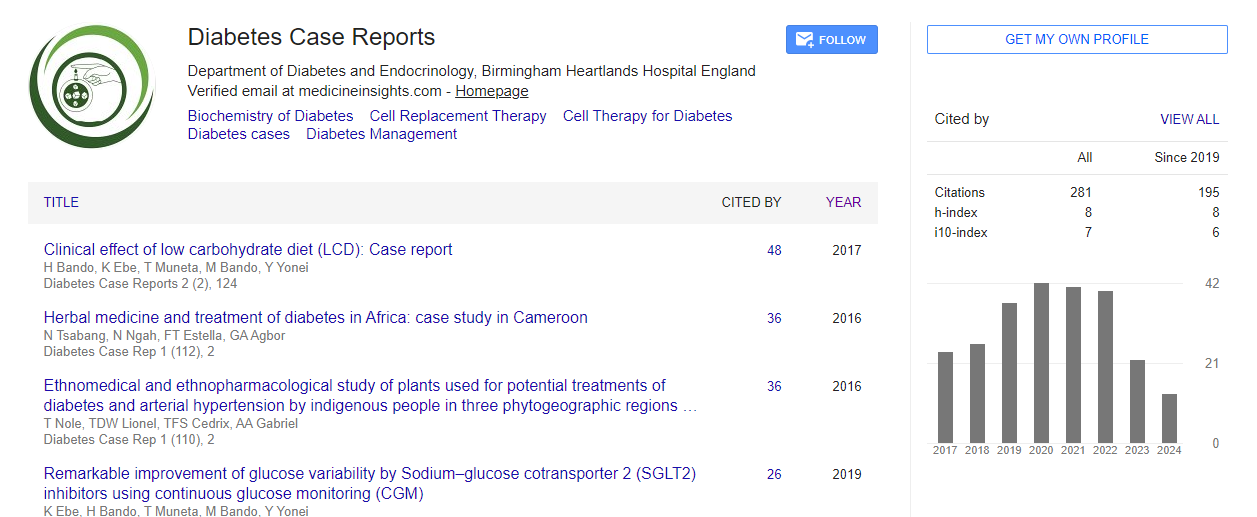

Indexed In
- RefSeek
- Hamdard University
- EBSCO A-Z
- Euro Pub
- Google Scholar
Useful Links
Share This Page
Journal Flyer
Open Access Journals
- Agri and Aquaculture
- Biochemistry
- Bioinformatics & Systems Biology
- Business & Management
- Chemistry
- Clinical Sciences
- Engineering
- Food & Nutrition
- General Science
- Genetics & Molecular Biology
- Immunology & Microbiology
- Medical Sciences
- Neuroscience & Psychology
- Nursing & Health Care
- Pharmaceutical Sciences
Opinion Article - (2025) Volume 10, Issue 4
Understanding Ketoacidosis: Causes, Consequences, and Clinical Management
Rafael Mendez*Received: 10-Nov-2025, Manuscript No. DCRS-26-31004; Editor assigned: 12-Nov-2025, Pre QC No. DCRS-26-31004; Reviewed: 26-Nov-2025, QC No. DCRS-26-31004; Revised: 03-Dec-2025, Manuscript No. DCRS-26-31004; Published: 10-Dec-2025, DOI: 10.35841/2572-5629.25.10.262
Description
Ketoacidosis is a serious metabolic condition that develops when the body produces excessive amounts of ketones, leading to a dangerous imbalance in blood acidity. It most commonly occurs in individuals with diabetes, particularly type 1 diabetes, though it can also appear in those with type 2 diabetes under certain circumstances. The condition arises when the body lacks sufficient insulin to allow glucose to enter cells for energy. As a result, the body begins breaking down fat at an accelerated rate, producing ketones as byproducts. When ketones accumulate in the bloodstream, they lower the blood’s pH, creating an acidic environment that can disrupt normal organ function.
Under typical conditions, insulin facilitates the movement of glucose from the bloodstream into cells, where it is used as fuel. Without adequate insulin, glucose remains in the blood, causing hyperglycemia, while cells are deprived of energy. To compensate, the body shifts to fat metabolism. The liver converts fatty acids into ketone bodies, which can serve as an alternative energy source. While small amounts of ketones are manageable, excessive production overwhelms the body’s buffering systems. This imbalance leads to metabolic acidosis, dehydration, and electrolyte disturbances.
Diabetic ketoacidosis often develops rapidly, sometimes within hours. Early symptoms may include excessive thirst, frequent urination, fatigue, nausea, and abdominal pain. As the condition progresses, individuals may experience vomiting, deep and rapid breathing, confusion, and a distinct fruity odor on the breath caused by acetone, one of the ketone bodies. If untreated, the condition can advance to severe dehydration, loss of consciousness, and even death.
Several triggers can precipitate ketoacidosis in people with diabetes. Infection is among the most common factors, as illness increases stress hormones that counteract insulin effects. Missed insulin doses, malfunctioning insulin delivery systems, newly diagnosed diabetes, or certain medications can also contribute. In some cases, physical trauma or significant emotional stress may play a role. Recognizing these triggers is essential for prevention and early intervention.
The diagnosis of ketoacidosis involves clinical assessment and laboratory testing. Elevated blood glucose levels, high concentrations of ketones in the blood or urine, and a low blood pH confirm the condition. Healthcare providers also measure electrolyte levels, particularly potassium, as imbalances are common and can affect heart function. Rapid identification allows for prompt treatment, which is typically administered in a hospital setting.
Treatment focuses on correcting dehydration, reducing blood glucose levels, and restoring electrolyte balance. Intravenous fluids are administered to replace lost fluids and improve circulation. Insulin is delivered intravenously to lower blood glucose and halt ketone production. Electrolytes, especially potassium, are carefully monitored and replaced as needed. Close observation is necessary during treatment to prevent complications such as cerebral edema, particularly in children and adolescents.
Although diabetic ketoacidosis is most strongly associated with type 1 diabetes, it can also occur in individuals with type 2 diabetes under certain conditions. Severe illness, prolonged uncontrolled hyperglycemia, or significant insulin deficiency may trigger the process. In rare cases, individuals without known diabetes may present with ketoacidosis as the first indication of the disease. This highlights the importance of public awareness regarding symptoms and early medical evaluation.
Prevention plays a vital role in reducing the incidence of ketoacidosis. Consistent blood glucose monitoring, adherence to prescribed insulin regimens, and prompt management of infections are central strategies. During periods of illness, individuals with diabetes are often advised to follow specific “sick day” guidelines, which include more frequent glucose and ketone testing, maintaining hydration, and continuing insulin even if appetite is reduced. Education provided by healthcare teams empowers patients and families to recognize warning signs and seek medical care promptly.
Conclusion
Ketoacidosis is a serious metabolic emergency characterized by excessive ketone production and blood acidity, most commonly linked to insulin deficiency in diabetes. Its rapid progression demands early recognition and immediate medical intervention. Through comprehensive education, consistent monitoring, and accessible healthcare resources, many cases can be prevented or managed effectively. Awareness among patients, families, and healthcare professionals remains essential to reduce complications and improve outcomes for those at risk. Insulin pumps with automated insulin delivery features may reduce the risk of prolonged hyperglycemia when functioning properly. However, device malfunction or infusion set problems can still lead to rapid onset of ketoacidosis, emphasizing the need for vigilance.
Citation: Mendez R (2025). Understanding Ketoacidosis: Causes, Consequences, and Clinical Management. Diabetes Case Rep. 10:262.
Copyright: © 2025 Mendez R. This is an open-access article distributed under the terms of the Creative Commons Attribution License, which permits unrestricted use, distribution and reproduction in any medium, provided the original author and source are credited.