
Indexed In
- RefSeek
- Hamdard University
- EBSCO A-Z
- Publons
- Euro Pub
- Google Scholar
- Quality Open Access Market
Useful Links
Share This Page
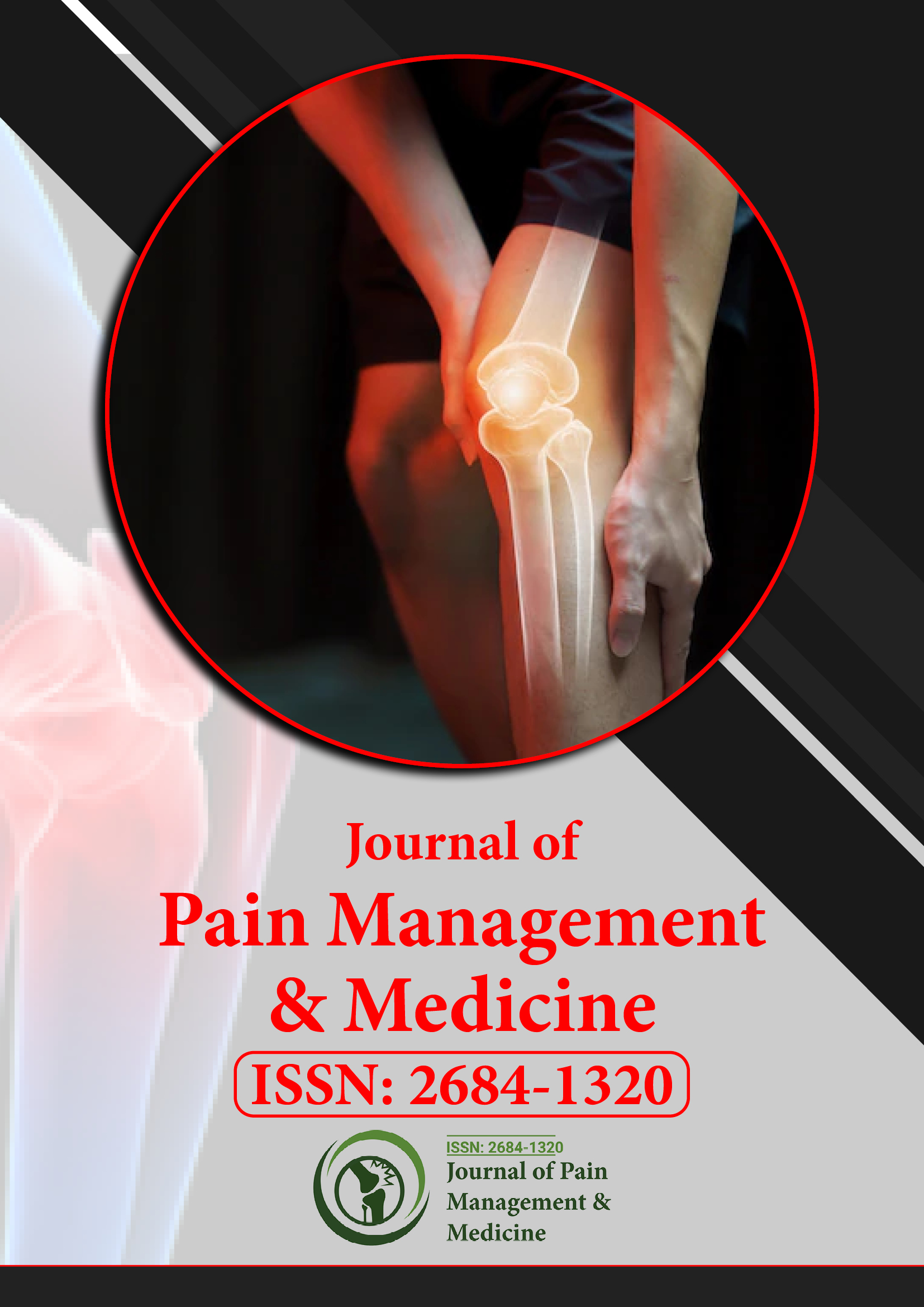
Journal Flyer
Open Access Journals
- Agri and Aquaculture
- Biochemistry
- Bioinformatics & Systems Biology
- Business & Management
- Chemistry
- Clinical Sciences
- Engineering
- Food & Nutrition
- General Science
- Genetics & Molecular Biology
- Immunology & Microbiology
- Medical Sciences
- Neuroscience & Psychology
- Nursing & Health Care
- Pharmaceutical Sciences
Commentary - (2025) Volume 11, Issue 6
Traumatology as a Comprehensive Discipline for the Management of Acute Injury and Recovery
Elena Petrova*Received: 29-Oct-2025, Manuscript No. JPMME-25-30900; Editor assigned: 31-Oct-2025, Pre QC No. JPMME-25-30900 (PQ); Reviewed: 14-Nov-2025, QC No. JPMME-25-30900; Revised: 21-Nov-2025, Manuscript No. JPMME-25-30900 (R); Published: 28-Nov-2025, DOI: 10.35248/2684-1320.25.11.358
Description
Traumatology is a vital medical specialty focused on the study and treatment of injuries caused by external forces such as accidents, violence, falls and natural disasters. These injuries can range from minor soft tissue damage to life threatening polytrauma involving multiple organ systems. Traumatology addresses not only the immediate physical harm but also the physiological, psychological and functional consequences of injury. As global rates of road traffic accidents, occupational hazards and urban violence continue to rise, the importance of traumatology within modern healthcare systems has become increasingly evident.
The practice of traumatology begins at the moment of injury and extends through emergency care, definitive treatment and long term rehabilitation. Early assessment and rapid intervention are important in reducing mortality and preventing permanent disability. Traumatologists are trained to evaluate airway stability, breathing, circulation, neurological status and exposure in a systematic manner. This structured approach allows life threatening conditions such as internal bleeding, traumatic brain injury and spinal cord damage to be identified and managed without delay. Timely decision making in the acute phase often determines patient survival and long term outcome.
Traumatology requires a broad understanding of human anatomy, physiology and biomechanics. Injuries often involve multiple systems, necessitating a comprehensive and coordinated approach to care. Musculoskeletal trauma such as fractures and joint dislocations may coexist with injuries to the chest, abdomen, or head. Traumatologists must prioritize treatment while considering the interactions between injuries and the overall physiological stress response. The ability to manage complexity and uncertainty is a defining characteristic of the specialty.
Advances in diagnostic imaging have significantly enhanced trauma care. Technologies such as computed tomography, focused ultrasound and advanced radiography allow rapid and accurate identification of internal injuries. These tools support timely surgical or non-surgical interventions and reduce the risk of missed diagnoses. In parallel, improvements in surgical techniques and implant materials have transformed the management of fractures and soft tissue injuries. Minimally invasive procedures, external fixation devices and biologically compatible materials promote faster healing and reduce complications.
Traumatology is inherently multidisciplinary. Effective trauma care relies on close collaboration among emergency physicians, anesthesiologists, surgeons, radiologists, intensivists, nurses and rehabilitation specialists. Trauma teams function under high pressure, often making critical decisions within minutes. Clear communication and well established protocols are essential for coordinated action. This team based approach extends beyond the hospital, involving prehospital services and rehabilitation facilities to ensure continuity of care.
Rehabilitation is a central component of traumatology and plays a key role in restoring function and quality of life. Following the acute phase, patients may face prolonged recovery periods involving physical therapy, occupational therapy and psychological support. Traumatologists work closely with rehabilitation professionals to design individualized recovery plans that address pain control, mobility, strength and emotional wellbeing. Early mobilization and patient engagement have been shown to improve outcomes and reduce long term disability.
The psychological impact of trauma is increasingly recognized as an important aspect of patient care. Injuries can lead to anxiety, depression and post-traumatic stress, particularly in cases involving severe accidents or violence. Traumatologists must be attentive to these issues and facilitate appropriate mental health support. Addressing psychological recovery alongside physical healing reflects a holistic approach to trauma care and improves overall patient outcomes.
Prevention and public health are also integral to traumatology. By analysing patterns and causes of injury, traumatologists contribute to injury prevention strategies such as road safety regulations, workplace protections and community education programs. Research in traumatology informs evidence based guidelines that improve trauma system organization and resource allocation. These efforts reduce the incidence and severity of injuries at a population level.
In conclusion, traumatology is a dynamic and essential medical discipline that encompasses the full spectrum of injury care from emergency response to long term rehabilitation. Its practice demands rapid decision making, technical expertise and compassionate patient centered care. Through advances in diagnostics, surgical techniques and multidisciplinary collaboration, traumatology continues to improve survival and functional recovery for injured patients. As injury remains a leading cause of death and disability worldwide, traumatology will remain central to the mission of modern medicine in preserving life, restoring function and promoting recovery.
Citation: Petrova E (2025). Traumatology as a Comprehensive Discipline for the Management of Acute Injury and Recovery. J Pain Manage Med. 11:358.
Copyright: © 2025 Petrova E. This is an open-access article distributed under the terms of the Creative Commons Attribution License, which permits unrestricted use, distribution, and reproduction in any medium, provided the original author and source are credited.