

Indexed In
- Open J Gate
- Genamics JournalSeek
- Academic Keys
- JournalTOCs
- ResearchBible
- Ulrich's Periodicals Directory
- Access to Global Online Research in Agriculture (AGORA)
- Electronic Journals Library
- RefSeek
- Hamdard University
- EBSCO A-Z
- OCLC- WorldCat
- SWB online catalog
- Virtual Library of Biology (vifabio)
- Publons
- MIAR
- Geneva Foundation for Medical Education and Research
- Euro Pub
- Google Scholar
Useful Links
Share This Page
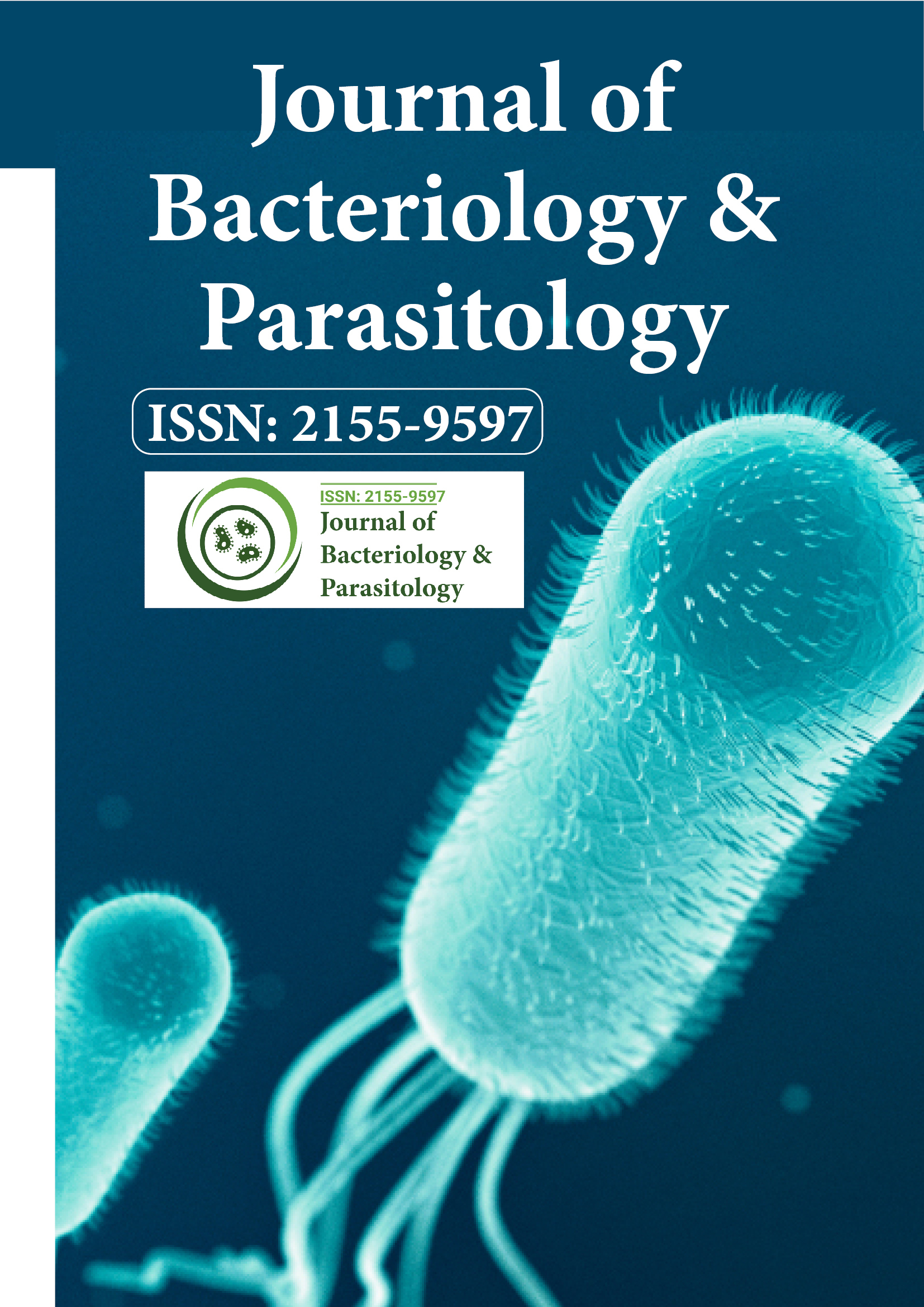
Journal Flyer
Open Access Journals
- Agri and Aquaculture
- Biochemistry
- Bioinformatics & Systems Biology
- Business & Management
- Chemistry
- Clinical Sciences
- Engineering
- Food & Nutrition
- General Science
- Genetics & Molecular Biology
- Immunology & Microbiology
- Medical Sciences
- Neuroscience & Psychology
- Nursing & Health Care
- Pharmaceutical Sciences
Commentary - (2025) Volume 16, Issue 4
Peptidoglycan Dynamics and Their Influence on Bacterial Adaptation
Neha Kulkarni*Received: 21-Jul-2025, Manuscript No. JBP-26-30762; Editor assigned: 23-Jul-2025, Pre QC No. JBP-26-30762; Reviewed: 06-Aug-2025, QC No. JBP-26-30762; Revised: 13-Aug-2025, Manuscript No. JBP-26-30762; Published: 20-Aug-2025, DOI: 10.35248/2155-9597.25.16.558
Description
Peptidoglycan represents one of the most distinctive features of bacterial cells and serves as a foundation for understanding how these organisms maintain form and withstand environmental pressures. This mesh-like polymer surrounds the cell membrane and provides resistance against internal turgor pressure that would otherwise cause the cell to burst. Unlike structures found in plants or fungi, peptidoglycan is unique to bacteria, making it a valuable marker for distinguishing them from other life forms. Its study reveals how bacteria combine chemical simplicity with functional efficiency. The architecture of peptidoglycan is based on long chains of alternating sugar molecules linked by peptide bridges. This arrangement creates a lattice that is both firm and flexible. The peptides differ in length and composition depending on the species and these variations influence wall thickness and mechanical properties. Rod-shaped bacteria, spherical bacteria and spiral forms all rely on specific patterns of peptidoglycan insertion and modification to maintain their geometry. Changes in this pattern can result in altered cell shape, which may affect mobility, surface attachment and survival.
One of the most striking aspects of peptidoglycan is its constant remodeling. As bacteria grow, divide or respond to stress, enzymes continuously cut existing bonds and form new ones. This controlled turnover allows the wall to expand while preserving strength. During cell division, a coordinated system of proteins directs peptidoglycan synthesis to the division site, ensuring that each daughter cell receives a complete enclosure. Errors in this process can be lethal, demonstrating how tightly regulated peptidoglycan metabolism. Environmental conditions strongly influence peptidoglycan structure. Bacteria exposed to high osmotic pressure often adjust the density of cross-links to prevent rupture. Those living in nutrient-poor habitats may slow wall synthesis to conserve resources. Some species can enter dormant states where peptidoglycan modification reduces metabolic activity while maintaining basic protection. These adjustments allow bacteria to persist under conditions that would otherwise be unfavorable.
Interactions with other organism’s further shape peptidoglycan characteristics. In symbiotic relationships, bacteria may alter their wall composition to reduce host immune activation. In pathogenic contexts, fragments of peptidoglycan released during growth can trigger immune responses that lead to inflammation. Host organisms possess receptors that detect these fragments as signs of bacterial presence. The outcome of such interactions depends on both the amount and chemical form of the released material. The medical relevance of peptidoglycan is closely tied to its role as a target for antibiotics. Drugs that interfere with wall synthesis weaken bacterial defenses and often lead to cell death. However, the widespread use of these drugs has driven the evolution of resistance mechanisms. Some bacteria acquire genes that encode enzymes capable of modifying antibiotic targets, while others alter transport systems to reduce drug entry. Studying these resistance strategies provides insight into bacterial adaptability and informs the design of future therapies.
Beyond medicine, peptidoglycan has significance in biotechnology and environmental science. Enzymes that break down this polymer are used in laboratories to study cellular contents or introduce genetic material. In natural ecosystems, the degradation of peptidoglycan contributes to nutrient cycling, returning carbon and nitrogen to the environment. Soil microorganisms that digest bacterial cell walls play a role in maintaining ecological balance. Research into peptidoglycan also enhances our understanding of bacterial evolution. The conservation of its basic structure suggests a successful solution to the challenge of cellular protection.
Conclusion
Peptidoglycan is a dynamic and adaptable component that supports bacterial life in varied conditions. Its continuous modification allows bacteria to grow, divide and respond to challenges while maintaining structural stability. Through its interactions with hosts, antibiotics and the environment, peptidoglycan influences processes that extend far beyond the individual cell. Continued study of this polymer deepens our understanding of bacterial biology and its broader implications for health and ecology. At the same time, diversity in chemical modifications reflects adaptation to different niches. Comparing peptidoglycan structures across species helps scientists infer evolutionary relationships and trace the emergence of new traits.
Citation: Kulkarni N (2025). Peptidoglycan Dynamics and Their Influence on Bacterial Adaptation. J Bacteriole Parasitol. 16:558.
Copyright: © 2025 Kulkarni N. This is an open-access article distributed under the terms of the Creative Commons Attribution License, which permits unrestricted use, distribution and reproduction in any medium, provided the original author and source are credited