
Indexed In
- RefSeek
- Hamdard University
- EBSCO A-Z
- Euro Pub
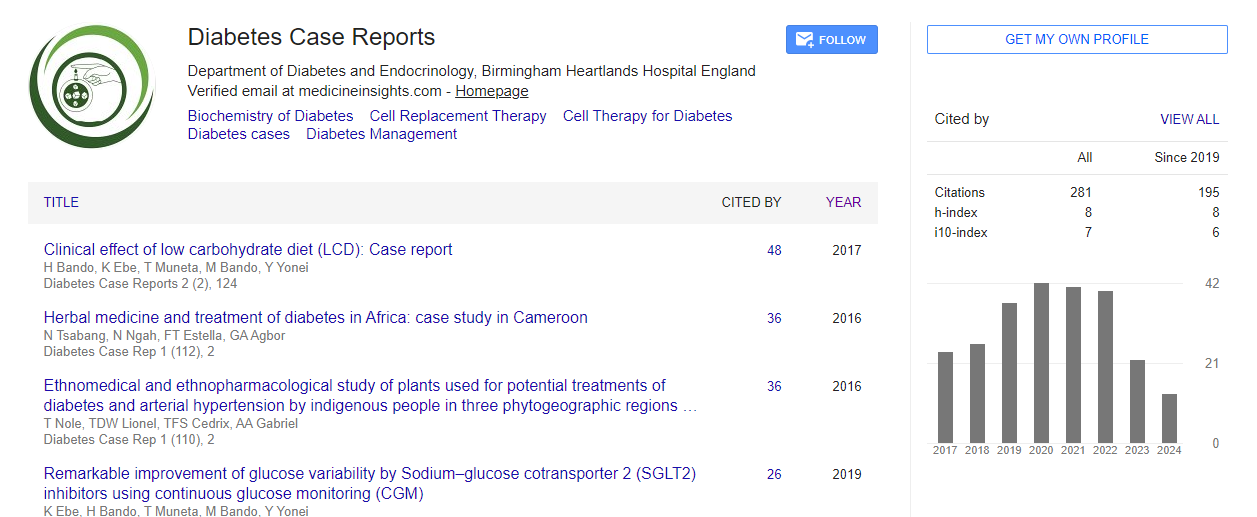
- Google Scholar
Useful Links
Share This Page
Journal Flyer

Open Access Journals
- Agri and Aquaculture
- Biochemistry
- Bioinformatics & Systems Biology
- Business & Management
- Chemistry
- Clinical Sciences
- Engineering
- Food & Nutrition
- General Science
- Genetics & Molecular Biology
- Immunology & Microbiology
- Medical Sciences
- Neuroscience & Psychology
- Nursing & Health Care
- Pharmaceutical Sciences
Perspective - (2026) Volume 11, Issue 1
Pancreas: Structure, Functions, and Its Role in Digestive and Metabolic Balance
Nathan Collins*Received: 24-Feb-2026, Manuscript No. DCRS-26-31323; Editor assigned: 26-Feb-2026, Pre QC No. DCRS-26-31323; Reviewed: 12-Mar-2026, QC No. DCRS-26-31323; Revised: 19-Mar-2026, Manuscript No. DCRS-26-31323; Published: 26-Mar-2026, DOI: 10.35841/2572-5629.26.11.273
Description
The pancreas is a vital organ that plays a dual role in maintaining both digestive efficiency and metabolic stability within the human body. Located in the upper abdomen behind the stomach, it is a soft, elongated gland that connects closely with the small intestine. Despite its relatively modest size, the pancreas performs functions that are essential for survival, particularly in regulating nutrient digestion and blood glucose levels. The pancreas is composed of two major functional components known as the exocrine and endocrine systems. The exocrine portion constitutes the majority of the organ and is responsible for producing digestive enzymes that are released into the small intestine. These enzymes include amylase, lipase, and proteases, which help break down carbohydrates, fats, and proteins, respectively. Once secreted into the duodenum, these enzymes facilitate the efficient digestion of food, enabling nutrients to be absorbed into the bloodstream.
The endocrine portion of the pancreas consists of clusters of specialized cells known as pancreatic islets. These islets contain different types of hormone-secreting cells that regulate glucose metabolism. Among these, beta cells produce insulin, a hormone that lowers blood glucose levels by promoting the uptake of glucose into tissues such as muscle and fat. Alpha cells secrete glucagon, which has the opposite effect by increasing blood glucose levels through stimulation of glucose release from the liver. The coordinated action of these hormones ensures that blood glucose levels remain within a narrow physiological range.
The pancreas also produces somatostatin and pancreatic polypeptide, hormones that have regulatory functions within the digestive and metabolic systems. Somatostatin inhibits the release of both insulin and glucagon, helping to fine-tune hormonal balance. Pancreatic polypeptide is involved in the regulation of pancreatic secretions and may influence appetite and gastrointestinal activity. These additional hormones highlight the complex regulatory role of the pancreas beyond its primary functions.
The regulation of pancreatic activity is influenced by both neural and hormonal signals. The autonomic nervous system plays a role in controlling enzyme secretion, particularly during the cephalic and gastric phases of digestion. Hormones such as secretin and cholecystokinin are released from the small intestine in response to food intake and stimulate the pancreas to release digestive juices. This coordinated response ensures that the digestive process is efficient and well-timed.
Disorders of the pancreas can have significant effects on overall health. One of the most common conditions is diabetes mellitus, which arises when the endocrine function of the pancreas is impaired. In type 1 diabetes, the immune system attacks and destroys insulin-producing beta cells, leading to insulin deficiency. In type 2 diabetes, insulin resistance and progressive beta-cell dysfunction result in inadequate glucose regulation. Both conditions require careful management to prevent complications.
Pancreatitis is another condition that affects the pancreas, characterized by inflammation of the organ. It can occur in acute or chronic forms and is often associated with factors such as gallstones, alcohol consumption, or metabolic disturbances. In pancreatitis, digestive enzymes may become activated within the pancreas itself, leading to tissue damage and inflammation. Chronic pancreatitis can result in long-term impairment of both exocrine and endocrine functions.
Conclusion
Pancreas is a multifunctional organ that plays a central role in digestion and metabolic regulation. Its ability to produce digestive enzymes and hormones ensures the proper processing of nutrients and the maintenance of stable blood glucose levels. Disorders affecting the pancreas can have widespread consequences, emphasizing the importance of early detection, effective management, and healthy lifestyle practices. Understanding the functions and significance of the pancreas provides valuable insight into its role in maintaining overall health and well-being.
Citation: Collins N (2026). Pancreas: Structure, Functions, and Its Role in Digestive and Metabolic Balance Diabetes Case Rep. 11:273.
Copyright: © 2026 Collins N. This is an open-access article distributed under the terms of the Creative Commons Attribution License, which permits unrestricted use, distribution and reproduction in any medium, provided the original author and source are credited.