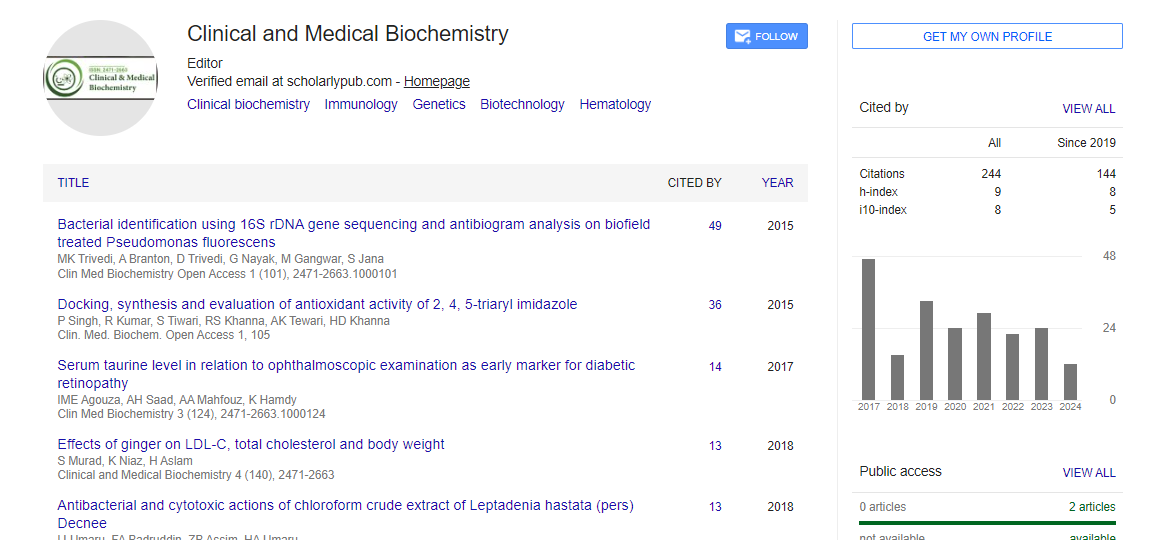
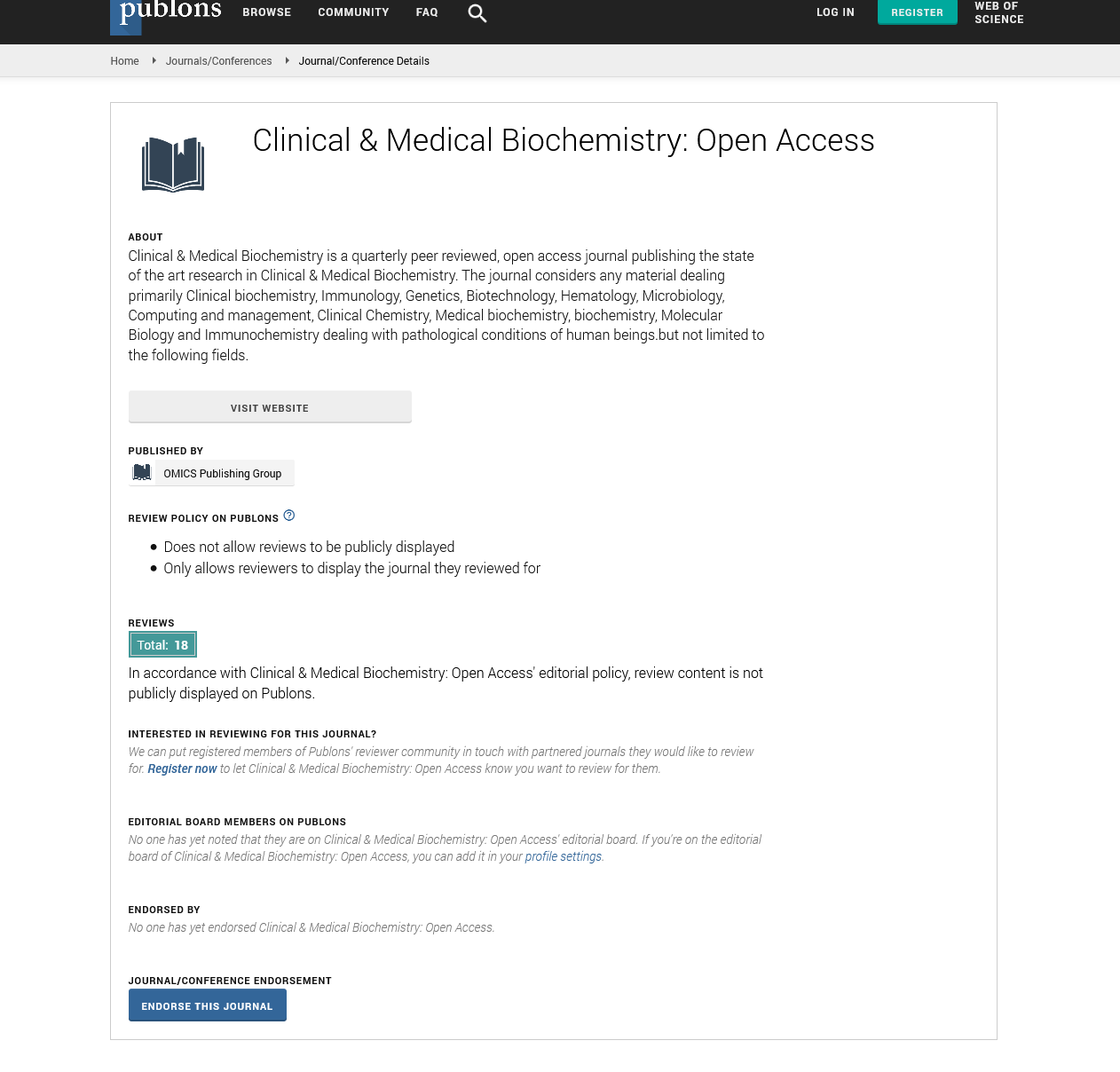

Indexed In
- RefSeek
- Directory of Research Journal Indexing (DRJI)
- Hamdard University
- EBSCO A-Z
- OCLC- WorldCat
- Scholarsteer
- Publons
- Euro Pub
- Google Scholar
Useful Links
Share This Page
Journal Flyer
Open Access Journals
- Agri and Aquaculture
- Biochemistry
- Bioinformatics & Systems Biology
- Business & Management
- Chemistry
- Clinical Sciences
- Engineering
- Food & Nutrition
- General Science
- Genetics & Molecular Biology
- Immunology & Microbiology
- Medical Sciences
- Neuroscience & Psychology
- Nursing & Health Care
- Pharmaceutical Sciences
Opinion Article - (2025) Volume 11, Issue 3
Investigating the Causes, Consequences, and Management Approaches of Human Metabolic Disorders Globally
Rajesh Kumar*Received: 31-Jul-2025, Manuscript No. CMBO-25-30258; Editor assigned: 04-Aug-2025, Pre QC No. CMBO-25-30258; Reviewed: 18-Aug-2025, QC No. CMBO-25-30258; Revised: 25-Aug-2025, Manuscript No. CMBO-25-30258; Published: 01-Sep-2025, DOI: 10.35841/2471-2663.25.11.266
Description
Metabolic disorders are a group of medical conditions resulting from abnormalities in the biochemical processes responsible for maintaining the body’s normal metabolism. These disorders interfere with the body’s ability to convert food into energy or to properly utilize nutrients such as carbohydrates, fats and proteins. Metabolism involves complex pathways of chemical reactions regulated by enzymes and hormones and even a minor disruption in these pathways can have profound effects on health. Metabolic disorders can be inherited due to genetic mutations or acquired as a result of environmental and lifestyle factors, such as poor diet, lack of exercise, or hormonal imbalances. Their increasing prevalence across the globe has made them a major public health concern, affecting millions of people and contributing significantly to morbidity and mortality.
Inherited metabolic disorders, often referred to as inborn errors of metabolism, occur when genetic mutations lead to defective or deficient enzymes that are essential for specific metabolic reactions. These conditions often manifest early in life and include disorders such as Phenylketonuria (PKU), maple syrup urine disease and galactosemia. In phenylketonuria, for example, a deficiency of the enzyme phenylalanine hydroxylase prevents the normal metabolism of the amino acid phenylalanine, leading to its accumulation and potential brain damage if untreated. Such genetic metabolic disorders are typically diagnosed through newborn screening programs, allowing for early intervention through dietary modifications or enzyme replacement therapies. Advances in genetics and molecular diagnostics have enhanced the identification and treatment of these conditions, significantly improving patient outcomes and life expectancy.
Acquired metabolic disorders, on the other hand, develop over time due to lifestyle, dietary habits and environmental influences. Among these, diabetes mellitus is the most prevalent and widely studied. It arises from either an absolute deficiency of insulin, as in type 1 diabetes, or resistance to insulin action, as in type 2 diabetes. Both forms result in chronic hyperglycemia, which can cause severe complications affecting the heart, kidneys, eyes and nerves. Obesity, another major metabolic disorder, is closely linked to insulin resistance, lipid imbalance and cardiovascular diseases. The global rise in sedentary lifestyles, high-calorie diets and urbanization has contributed to a dramatic increase in obesity and diabetes cases, creating a global metabolic crisis that transcends geographical and socioeconomic boundaries.
Lipid metabolism disorders, such as hypercholesterolemia and hypertriglyceridemia, represent another critical subset of metabolic dysfunctions. These conditions involve abnormal levels of lipids in the bloodstream, increasing the risk of atherosclerosis and cardiovascular diseases. Familial hypercholesterolemia, a genetic disorder characterized by high Low-Density Lipoprotein (LDL) cholesterol, is an example where genetic mutations hinder the normal clearance of cholesterol from the blood. Similarly, disorders of fatty acid oxidation impair the body’s ability to break down fats for energy, leading to hypoglycemia and muscle weakness. Effective management of these conditions typically involves dietary interventions, lipidlowering medications and regular monitoring of cardiovascular risk factors.
Metabolic bone diseases, including osteoporosis and rickets, also fall within the broad spectrum of metabolic disorders. These arise from abnormalities in calcium, phosphate and vitamin D metabolism. Osteoporosis, characterized by low bone density and increased fracture risk, often results from hormonal changes, nutritional deficiencies, or prolonged inactivity. Rickets, primarily affecting children, develops from vitamin D deficiency, leading to improper bone mineralization. These disorders underscore the intricate relationship between metabolism, nutrition and hormonal regulation, emphasizing the importance of balanced diets and adequate exposure to sunlight in maintaining bone health.
Endocrine-related metabolic disorders, particularly those involving the thyroid gland, are also widespread. Hypothyroidism results from insufficient thyroid hormone production, slowing metabolic activity and leading to symptoms such as fatigue, weight gain and cold intolerance. Conversely, hyperthyroidism accelerates metabolism, causing weight loss, anxiety and increased heart rate. These disorders illustrate how hormonal imbalances directly impact metabolic processes, influencing energy expenditure, growth and overall physiological function. Timely diagnosis and proper hormonal therapy can restore metabolic balance and prevent complications.
Recent research has highlighted the strong association between metabolic disorders and genetic as well as epigenetic factors. Mutations in genes regulating energy metabolism, mitochondrial function and insulin signaling can predispose individuals to disorders such as diabetes and obesity. Moreover, epigenetic modifications-changes in gene expression influenced by environmental factors-play a crucial role in the development of acquired metabolic disorders. For instance, maternal nutrition and early life exposure to high-fat diets can alter gene expression patterns in offspring, increasing their susceptibility to metabolic diseases later in life. This understanding has broadened the scope of prevention strategies to include not only lifestyle interventions but also maternal and early childhood nutrition programs.
The diagnosis of metabolic disorders relies on biochemical assays, genetic testing and imaging techniques. Blood and urine analyses measure concentrations of metabolites, hormones and enzymes, while molecular tests detect genetic mutations. Advanced imaging technologies, such as Magnetic Resonance Spectroscopy (MRS) and Positron Emission Tomography (PET), provide insights into metabolic function in specific organs and tissues. Early and accurate diagnosis is crucial for effective treatment and prevention of long-term complications.
Management of metabolic disorders involves a combination of lifestyle modifications, pharmacological therapies and, in some cases, surgical interventions. Dietary regulation plays a key role in controlling disorders such as diabetes and hyperlipidemia, where maintaining appropriate macronutrient intake and avoiding excessive calories are vital. Medications like insulin, metformin and statins are used to regulate glucose and lipid metabolism. For inherited disorders, enzyme replacement therapy and gene therapy have shown promising results in restoring metabolic function. Advances in precision medicine are paving the way for individualized treatment plans based on genetic profiles, improving therapeutic outcomes and minimizing side effects.
Public health initiatives aimed at combating metabolic disorders emphasize education, early detection and lifestyle interventions. Encouraging balanced diets, regular physical activity and routine health screenings can significantly reduce the burden of these conditions. Policymakers and healthcare systems must prioritize awareness programs and access to preventive healthcare, especially in developing countries where urbanization and dietary transitions are increasing the prevalence of metabolic diseases.
Conclusion
In conclusion, metabolic disorders encompass a wide range of conditions that disrupt normal biochemical processes, leading to significant health consequences. Their origins may be genetic, environmental, or a combination of both and they often share common pathways involving energy imbalance, hormonal regulation and enzyme activity. Advances in research, diagnostics and therapeutics have greatly improved understanding and management of these disorders, yet their global rise remains a challenge. Addressing metabolic disorders requires an integrated approach involving scientific innovation, healthcare policy and individual responsibility. Through prevention, early detection and effective treatment, the impact of metabolic disorders on human health can be significantly reduced, ensuring a healthier future for generations to come.
Citation: Kumar R (2025). Investigating the Causes, Consequences and Management Approaches of Human Metabolic Disorders Globally. Clin Med Bio Chem. 11:266.
Copyright: © 2025 Kumar R. This is an open-access article distributed under the terms of the Creative Commons Attribution License, which permits unrestricted use, distribution and reproduction in any medium, provided the original author and source are credited.