
Indexed In
- Open J Gate
- Genamics JournalSeek
- Academic Keys
- JournalTOCs
- ResearchBible
- Ulrich's Periodicals Directory
- Access to Global Online Research in Agriculture (AGORA)
- Electronic Journals Library
- RefSeek
- Hamdard University
- EBSCO A-Z
- OCLC- WorldCat
- SWB online catalog
- Virtual Library of Biology (vifabio)
- Publons
- MIAR
- Geneva Foundation for Medical Education and Research
- Euro Pub
- Google Scholar
Useful Links
Share This Page
Journal Flyer
Open Access Journals
- Agri and Aquaculture
- Biochemistry
- Bioinformatics & Systems Biology
- Business & Management
- Chemistry
- Clinical Sciences
- Engineering
- Food & Nutrition
- General Science
- Genetics & Molecular Biology
- Immunology & Microbiology
- Medical Sciences
- Neuroscience & Psychology
- Nursing & Health Care
- Pharmaceutical Sciences
Research Article - (2026) Volume 17, Issue 1
Intestinal Parasitic Infections in Children: A Comparative Study by Type of Schooling in Keur Soce Rural Area, Senegal
Coumba Sene1, Magatte Ndiaye1*, Abdoul Karim Mhadji1, Mame Coumba Ndiaye1, Malick Diouf1, Serigne Abdou K M DIA1, Babacar Thiendella Faye1, Souleye Lelo1, Isaac A Manga1, Doudou Sow2 and Babacar Faye1Department of Parasitology-Mycology, Faculty of Medicine, Gaston Berger University, Saint-Louis, BP 234-46024, Senegal
Received: 15-Oct-2025, Manuscript No. JBP-25-30125; Editor assigned: 17-Oct-2025, Pre QC No. JBP-25-30125 (PQ); Reviewed: 31-Oct-2025, QC No. JBP-25-30125; Revised: 19-Feb-2026, Manuscript No. JBP-25-30125 (R); Published: 26-Feb-2026, DOI: 10.35248/2155-9597.26.17.575
Abstract
Background: Intestinal Parasitic Infections (IPIs) remain a major public health concern in low-income countries, particularly in sub-Saharan Africa. School-aged children are the most vulnerable group, especially in rural settings, where sanitation infrastructure is often inadequate.
Objective: This study aimed to determine the prevalence of intestinal parasitic infections among children attending French primary schools and Quranic schools (Daaras) in Keur Socé, a rural community in Central Senegal with limited recent data on parasitic infections. It also investigated environmental and hygiene-related risk factors associated with infection.
Methods: A cross-sectional survey was conducted from May 22 to June 15, 2023, among children aged 4-15 years. We collected sociodemographic and environmental data using electronic questionnaires and analyzed stool samples using direct smear, formalin-ether concentration (Ritchie method) and Kato-Katz techniques. Statistical analysis was performed using R software (version 2025.05.00), with overall prevalence, coinfections and associations with contextual factors assessed using Fisher's exact test and logistic regression.
Results: The overall prevalence of Intestinal Parasitic Infections (IPIs) was 32.4%. Protozoan infections dominated, accounting for 29.2% of cases, with Entamoeba coli (18.8%), Giardia intestinalis (6.8%) and Endolimax nana (2.1%) being the most prevalent species. Helminth infections were relatively rare, at 2.4%. Although children attending Daaras had a higher prevalence (35.7%) compared to those in French primary schools (30%), the difference was not statistically significant. Notably, parasitic infections were significantly associated with using wells as a water source (p=0.0269). A borderline association was observed for combined tap and well usage (p=0.079), while other environmental factors showed no significant correlations.
Conclusion: This study reveals a significant burden of protozoan infections among school-aged children in Keur Socé, highlighting the impact of environmental hygiene particularly water sources on the transmission of intestinal parasitic infections. Targeted interventions, such as improving sanitation infrastructure and promoting hygiene education, are crucial for reducing the parasitic burden in rural settings.
Keywords
Intestinal parasitic infections; Children; Rural areas; Quranic schools; Protozoa; Senegal
Introduction
Intestinal Parasitic Infections (IPIs) represent a major global health concern, affecting an estimated 3.5 billion individuals worldwide approximately 60% of the global population [1]. These infections, primarily caused by helminths and protozoa, are predominantly transmitted through the focal-oral route and are highly endemic in low- and middle-income countries, where poor sanitation and hygiene practices persist.
In sub-Saharan Africa, the burden of IPIs remains high despite ongoing control initiatives. School-aged children are particularly vulnerable due to their behavioural and immunological characteristics. In rural settings, prevalence rates can reach up to 40%-50%, especially for protozoan infections [2].
In Senegal, national deworming programs targeting soiltransmitted helminths have been implemented in schools for several years [3]. These initiatives have led to a marked reduction in helminth prevalence in certain districts, such as Diourbel and Saraya, where rates are now below 2% [4]. Nonetheless, protozoan infections remain prevalent and are insufficiently addressed in current public health strategies. Many epidemiological studies conducted in rural Senegal have reported persistent protozoan infections, with Giardia intestinalis being the most frequently detected species in Keur Socé [5].
IPIs in children can have serious consequences, including impaired physical growth, cognitive development delays and poor academic performance [6]. Numerous environmental and behavioural risk factors contribute to transmission, such as the absence of latrines, direct soil contact, inadequate hand hygiene and the use of shared water sources by humans and animals [7].
Additionally, disparities in school environments may influence exposure risk. In Senegal, children are educated in either conventional French-speaking primary schools or Quranic schools (Daaras), which differ significantly in terms of living conditions, access to water and sanitation and exposure to health education [5]. These contextual differences may play a role in the epidemiology of parasitic infections but are insufficiently documented.
This study was therefore conducted to update the epidemiological data on IPIs among children living in a rural area of Senegal. Specifically, it aimed to compare the prevalence of IPIs between children enrolled in French-speaking primary schools and Daaras and to explore environmental determinants associated with infection.
Materials and Methods
Study area
This study was conducted in Keur Socé (Figure 1), located in the Ndoffane district, approximately 17 km from Kaolack (the regional capital) and about 230 km from Dakar, the capital of Senegal. Although several public health initiatives have been implemented in this region to improve child health, the prevalence of intestinal parasitic infections in Ndoffane remains high, estimated at 34.95% [8]. The distribution is highly heterogeneous across the district. The commune of Keur Socé is one of the most affected areas, with a prevalence of 26.2% in 2013 [9], which decreased slightly to 22.68% in 2019 [5].
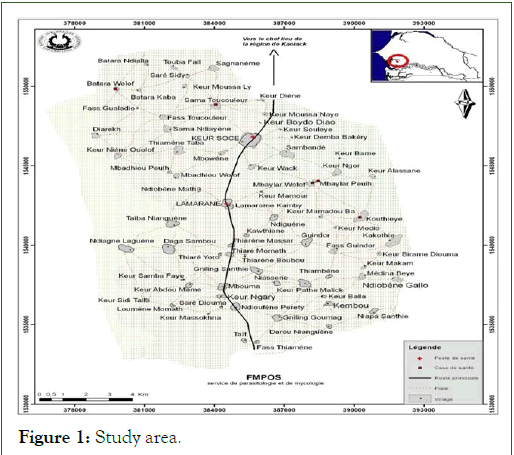
Figure 1: Study area.
Study design, period and population
A cross-sectional survey with both descriptive and analytical aims was carried out from May 22 to June 15, 2023, in the rural community of Keur Socé. The target population consisted of children aged 4 to 15 years, encompassing both preschool and school-aged children.
Inclusion and exclusion criteria
Children were eligible if they were:
• Residing in Keur Socé.
• Enrolled in either French primary schools or Quranic schools (Daaras).
• Aged between 4 and 14 years.
• Provided a stool sample and whose parents or legal guardians had given signed informed consent.
Children with severe illnesses or those whose parents/guardians declined consent were excluded from the study.
Sampling procedure
Keur Socé hosts a university-affiliated research center that covers 20 out of the 28 villages in the rural community. For this study, 13 villages were selected based on their geographical proximity to the center. In 11 villages, either a French primary school or a Daara was visited. In Keur Socé itself, four schools were surveyed, while two schools were visited in the village of Sambandé. A census-based sampling approach was used, whereby all children meeting the inclusion criteria were enrolled.
Data collection
Data were collected electronically using REDCap software (v5.27.0). Trained interviewers administered questionnaires directly to children to gather age, sex and anthropometric data. Heads of schools were interviewed to collect information on Mass Drug Administration (MDA) history, sanitation practices and school hygiene. Subsequently, enumerators conducted direct observations to assess the sanitary infrastructure (e.g., type and condition of latrines, fencing, water source, presence of animals or food stalls).
Each child received a labelled sterile container the day before stool collection. Samples were collected the next morning and transported in a cooler box to the laboratory for analysis.
Parasitological examination
Stool samples were processed at the research center laboratory. A macroscopic examination was first performed to assess stool color, consistency, odor and the presence or absence of blood, mucus or visible helminths.
Microscopic examinations were conducted using three standard parasitological techniques [10]:
• Direct wet mount, using saline and iodine, for detecting motile trophozoites and cysts.
• Ritchie’s concentration method, to enhance sensitivity for protozoan cysts and helminth eggs.
• Kato-Katz technique, for the quantification of Soil- Transmitted Helminth (STH) eggs.
Slides were examined under ×10 and ×40 magnification. The identification of at least one helminth egg or protozoan cyst in any of the techniques was considered a positive sample.
Data management and statistical analysis
Data collected via REDCap were exported to Microsoft Excel (v2506) and analysed using R software (version 2025.05.00).
Age was treated as a continuous variable to compute school-level medians and subsequently categorized into two groups: 4-6 years (pre-school) and 7-15 years (school-aged). Children were grouped by school for analysis.
The overall and species-specific prevalence of parasitic infections were calculated for the total sample and stratified by sociodemographic and environmental variables. Associations between categorical variables were assessed using Fisher's exact test. To identify environmental risk factors associated with infection at the school level, univariate logistic regression models were fitted for each exposure factor, with results expressed as Odds Ratios (OR) with 95% Confidence Intervals (CI). All statistical tests were two-tailed, and a p-value<0.05 was considered statistically significant.
Ethical considerations
Ethical approval for this study was obtained from the National Ethics Committee for Health Research (CNERS) in Senegal under reference number 0000017/MSAS/CNERS/SP, and administrative authorization was granted by the Directorate of Planning, Research and Statistics (authorization no. 00000130/ MSAS/DPRS/DR).
Written informed consent was obtained from the parents or legal guardians of all participating children. Participation was voluntary. All personal data were anonymized, treated as strictly confidential and stored in accordance with national data protection and confidentiality laws.
Results
Sociodemographic characteristics of the children
The study population comprised 586 children from 7 Quranic schools (Daaras) and 10 French primary schools. The distribution of children varied across institutions, with a notable male predominance in Daaras; for instance, Outaz Mbodj Daara was exclusively male (100%). In contrast, primary schools had a more balanced sex ratio, with some schools having a higher proportion of girls, such as Massamba Gaye Primary School (77.4% girls) and Ngor Mbodj Primary School (71.1% girls).
The age distribution also differed by school type. Most primary school children were aged 7-15 years, accounting for over 80% of pupils in most schools. Conversely, some Daaras, like Elhadji Ndiaye and Omar Ndiaye, had a high proportion of younger children aged 4-6 years, at 56.7% and 75%, respectively. The median ages by institution reflected these trends: Children in Daaras tended to be younger, with median ages ranging from 6.5 to 10 years, particularly at Daara Fatima Gueye (8 years) and Daara Omar Ndiaye (7 years). In contrast, some primary schools had higher median ages, such as Ablaye Thiam (12 years) and Babacar Sene (10 years) (Table 1).
| School | Sex | Age | Median age | ||
| Female | Male | (4-7 years) | (7-15 years) | ||
| Daara Elhadji Malick (N=30) | 11 (36.7%) | 19 (63.3%) | 17 (56.7%) | 13 (43.3%) | 6.5 |
| Daara Fatima Gueye (N=30) | 15 (50%) | 15 (50%) | 14 (46.7%) | 16 (53.3%) | 8 |
| Daara Mamath Ndiaye (N=33) | 9 (27.3%) | 24 (72.7%) | 10 (30.3%) | 23 (69.7%) | 9 |
| Daara Mouhamed Thiam (N=90) | 14 (15.6%) | 76 (84.4%) | 7 (7.8%) | 83 (92.2 %) | 10 |
| Daara Omar Diagne (N=16) | 3 (18.8%) | 13 (81.2%) | 7 (43.8%) | 9 (56.2%) | 8 |
| Daara Omar Ndiaye (N=20) | 8 (40%) | 12 (60%) | 15 (75%) | 5 (25%) | 7 |
| Daara Oustaz Mbodj (N=30) | 0 | 30 (100%) | 8 (26.7%) | 22 (73.3%) | 8.5 |
| Total Daaras (N=249) | 60 | 189 | 78 | 171 | 9 |
| Primaire Massamba Gaye (N=31) | 24 (77.4%) | 7 (22.6%) | 15 (48.4%) | 16 (51.6%) | 8 |
| Primaire Ndiogou Ndiaye (N=33) | 17 (51.5%) | 16 (48.5%) | 5 (15.2%) | 28 (84.8%) | 10 |
| Primaire Ablaye Thiam (N=35) | 21 (60%) | 14 (40%) | 1 (2.9%) | 34 (97.1%) | 12 |
| Primaire Ameth Diop (N=21) | 9 (42.9%) | 12 (57.1%) | 6 (28.6%) | 15 (71.4%) | 9 |
| Primaire Babacar Sene (N=31) | 20 (64.5%) | 11 (35.5%) | 5 (16.1%) | 26 (83.9%) | 10 |
| Primaire Djiby Mbaye (N=44) | 20 (45.5%) | 24 (54.5%) | 8 (18.2%) | 36 (81.8%) | 9 |
| Primaire Elhadji Thiam (N=32) | 10 (45.5%) | 12 (54.5%) | 3 (13.6%) | 19 (86.4%) | 9.5 |
| Primaire Mamadou Lamine (N=38) | 17 (44.7%) | 21 (55.3%) | 3 (7.9%) | 35 (92.1%) | 10 |
| Primaire Modou Ndiaye (N=44) | 24 (54.5%) | 20 (45.5%) | 9 (20.5%) | 35 (79.5%) | 9 |
| Primaire Ngor Mbodj (N=38) | 27 (71.1%) | 11 (28.9%) | 8 (21.1%) | 30 (78.9%) | 10 |
| Total Primary Schools (N=337) | 189 | 148 | 63 | 274 | 9 |
Table 1: Sociodemographic characteristics of children by school type.
Characteristics of educational environments by school type
The assessment of environmental and hygiene-related factors revealed significant variability in infrastructure across schools. While 10 out of 17 institutions primarily used tap water for drinking, others combined tap and well water (e.g., Daara Mamath Ndiaye and Babacar Sene Primary School) or relied exclusively on wells (e.g., Daara Fatima Gueye).
All schools had toilet facilities, but Daara Mouhamed Thiam stood out for lacking both permanent access to water and regular toilet maintenance. Fencing was more common in Daaras, with only three primary schools having fences; some institutions, such as Ablaye Thiam and Mamadou Lamine Ba Primary Schools, had no fencing. Kiosks were only observed at Daara Mamath Ndiaye. In contrast, internal and external food stalls were prevalent across both school types. Domestic animals were nearly ubiquitous in external environments, with some instances within school compounds (Table 2).
| School | Environmental and hygiene factors | |||||||
| Water source | Toilets present | Continuous water supply | Regular toilet maintenance | Fence | Kiosk presence | Food stall presence | Animal presence | |
| Daara Elhadji Malick | Tap | Yes | Yes | Yes | Yes | No | Eternal | Internal |
| Daara Fatima Gueye | Well | Yes | Yes | Yes | Yes | No | None | Internal |
| Daara Mamath Ndiaye | Tap and well | Yes | Yes | Yes | Yes | Yes | Internal | Internal |
| Daara Mouhamed Thiam | Tap and well | Yes | No | No | Yes | No | None | External |
| Daara Omar Diagne | Tap | Yes | Yes | Yes | Yes | No | External | External |
| Daara Omar Ndiaye | Tap and well | Yes | Yes | Yes | Yes | No | None | External |
| Daara Oustaz Mbodj | Tap and well | Yes | Yes | Yes | Yes | No | Internal | External |
| Massamba Gaye Primary | Tap | Yes | Yes | Yes | Yes | No | Internal and external | External |
| Ndiogou Ndiaye Primary | Tap | Yes | Yes | Yes | No | No | Internal and external | Internal |
| Ablaye Thiam Primary | Tap | Yes | Yes | Yes | No | No | None | External |
| Ameth Diop Primary | Tap | Yes | Yes | Yes | No | No | None | External |
| Babacar Sène Primary | Tap and well | Yes | Yes | Yes | No | No | None | External |
| Djiby Mbaye Primary | Tap | Yes | Yes | Yes | Yes | No | Internal | External |
| Elhadji Thiam Primary | Tap | Yes | No | Yes | No | No | None | External |
| Mamadou Lamine Primary | Tap and well | Yes | Yes | Yes | No | No | None | External |
| Modou Ndiaye Primary | Tap | Yes | Yes | Yes | Yes | No | Internal | External |
| Ngor Mbodj Primary | Tap and well | Yes | Yes | Yes | No | No | None | External |
Table 2: Environmental and hygiene characteristics of participating schools.
Prevalence of intestinal parasites in the study population
The overall prevalence of intestinal parasitic infections in the study population was 32.42% (190/586). Protozoan infections were the most common, affecting 29.2% (171/586) of children, while Soil-Transmitted Helminths (STHs) infected 2.4% (14/586). mixed infections involving both protozoa and helminths were observed in 0.9% (5/586) of children.
The most prevalent parasitic species were Entamoeba coli (34.81%, assuming KEC refers to Entamoeba coli cysts in a different terminology), Giardia intestinalis (12.46%, assuming KGI refers to Giardia intestinalis cysts), and Endolimax nana (4.1%). Among helminths, Ascaris lumbricoides was the most prevalent (2.39%), followed by Hymenolepis nana (1.37%) and hookworm (Ankylostome 0.34%). Co-infections were observed in several cases, the most frequent being Entamoeba coli+ Endolimax nana (1.37%), Entamoeba coli+Enterobius vermicularis (0.68%), and Ascaris lumbricoides+Endolimax nana (0.51%) (Figure 2).
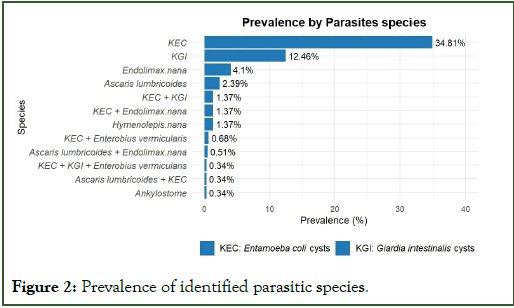
Figure 2: Prevalence of identified parasitic species.
Prevalence of parasitic infections by educational institution
The comparison of infection rates by school type showed a higher prevalence in Daaras (35.7%) compared to French primary schools (30%), although the difference was not statistically significant (p=0.153, Fisher's exact test). Prevalence rates varied widely across schools, ranging from 6.25% at Daara Omar Diagne to 46.67% at Daara Oustaz Mbodj. Some primary schools, such as Mamadou Lamine Primary School (44.74%) and Babacar Sène Primary School (41.94%), also recorded high prevalence rates, while others, like Ngor Mbodj Primary School (13.16%) and Ameth Diop Primary School (14.29%), had lower rates (Table 3).
|
School |
Infected |
Prevalence (%) |
95% Confidence interval |
|
Daara Elhadji Malick (N=30) |
10 |
33.33 |
16.46-50.20 |
|
Daara Fatima Gueye (N=30) |
12 |
40 |
22.47-57.53 |
|
Daara Mamath Ndiaye (N=33) |
12 |
36.36 |
19.95-52.77 |
|
Daara Mouhamed Thiam (N=90) |
34 |
37.78 |
27.76-47.80 |
|
Daara Omar Diagne (N=16) |
1 |
6.25 |
-5.61-18.11 |
|
Daara Omar Ndiaye (N=20) |
6 |
30 |
9.92-50.08 |
|
Daara Oustaz Mbodj (N=30) |
14 |
46.67 |
28.82-64.52 |
|
Total Daaras (N=249) |
89 |
35.7 |
29.8-42.0 |
|
Massamba Gaye Primary (N=31) |
10 |
32.26 |
15.80-48.72 |
|
Ndiogou Ndiaye Primary (N=33) |
9 |
27.27 |
12.08-42.46 |
|
Ablaye Thiam Primary (N=35) |
11 |
31.43 |
16.05-46.81 |
|
Ameth Diop Primary (N=21) |
3 |
14.29 |
-0.68-29.26 |
|
Babacar Sène Primary (N=31) |
13 |
41.94 |
24.57-59.31 |
|
Djiby Mbaye Primary (N=44) |
15 |
34.09 |
20.08-48.10 |
|
Elhadji Thiam Primary (N=22) |
7 |
31.82 |
12.36-51.28 |
|
Mamadou Lamine Primary (N=38) |
17 |
44.74 |
28.93-60.55 |
|
Modou Ndiaye Primary (N=44) |
11 |
25 |
12.21-37.79 |
|
Ngor Mbodj Primary (N=38) |
5 |
13.16 |
2.41-23.91 |
|
Total Primary Schools (N=337) |
101 |
30 |
25.0-35.3 |
Table 3: Prevalence of intestinal parasitic infections by school.
Distribution of parasitic species by school type
The most frequently identified parasites in both school types were protozoa, particularly Entamoeba coli, which exhibited a slightly higher prevalence in French-speaking primary schools. Other protozoan species such as Giardia intestinalis and Endolimax nana followed similar trends.
Helminthic infections, including those due to Ascaris lumbricoides, Hymenolepis nana, and Enterobius vermicularis, were rare and did not vary significantly between school types.
Coinfections were detected but remained relatively uncommon. These findings suggest that protozoan infections were more prevalent than helminthic infections in this population, regardless of the type of school attended (Figure 3).
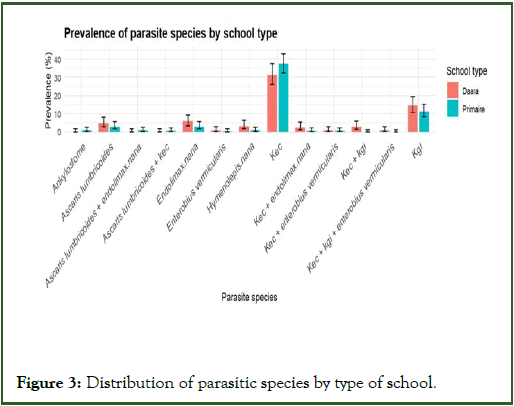
Figure 3: Distribution of parasitic species by type of school.
Environmental factors associated with parasitic infections
The bivariate analysis examining the relationship between school environmental factors and intestinal parasitic infection rates found that using wells as a water source was significantly associated with higher infection rates with higher infection rates (36.3% vs. 26.2%, p=0.0269), a finding confirmed by univariate logistic regression (OR=1.48; 95% CI: 1.05–2.11; p=0.028) (Figure 4). A borderline association was observed for combined tap and well usage (35.8%, p=0.079). All other environmental variables showed no statistically significant associations, including the presence of animals near schools (p=0.9161) and regular toilet maintenance (p=0.4142), which had similar infection rates regardless of conditions. Additionally, the presence of fences, food stalls (internal/external), and kiosks, showed no statistically significant association with infection (p>0.05) (Table 4).
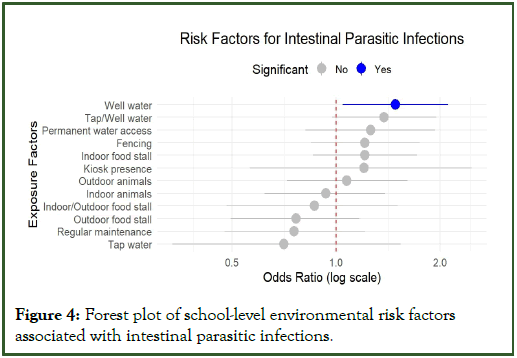
Figure 4: Forest plot of school-level environmental risk factors associated with intestinal parasitic infections.
| Factor | No. schools | Infection rate (%) | p-value |
| Tap | |||
| Yes | 16 | 30.4 | 0.3074 |
| No | 1 | 40 | |
| Well | |||
| Yes | 8 | 36.3 | 0.0269 |
| No | 9 | 26.2 | |
| Tap and well | |||
| Yes | 7 | 35.8 | 0.079 |
| No | 10 | 27.6 | |
| Toilets present | |||
| Yes | 17 | 31 | _ |
| Continuous water supply | |||
| Yes | 15 | 30.5 | 0.6547 |
| No | 2 | 34.8 | |
| Regular toilet maintenance | |||
| Yes | 16 | 30.5 | 0.4142 |
| No | 1 | 37.8 | |
| Fence | |||
| Yes | 10 | 32.2 | 0.4945 |
| No | 7 | 29.2 | |
| Kiosk present | |||
| Yes | 1 | 36.4 | 0.5403 |
| No | 16 | 30.6 | |
| Internal food stalls | |||
| Yes | 7 | 34.2 | 0.2059 |
| No | 10 | 28.7 | |
| External food stalls | |||
| Yes | 3 | 23.8 | 0.3135 |
| No | 14 | 32.5 | |
| Internal and external stalls | |||
| Yes | 2 | 29.8 | 0.551 |
| No | 15 | 31.1 | |
| Presence of animals (internal) | |||
| Yes | 5 | 30.3 | 0.916 |
| No | 12 | 31.3 | |
| Presence of animals (external) | |||
| Yes | 12 | 31.3 | 0.916 |
| No | 5 | 30.3 | |
Table 4: Infection rates by environmental characteristics of schools.
Discussion
This study investigated the prevalence of intestinal parasitic infections among preschool and school-aged children attending 7 Koranic schools (Daaras) and 10 public primary schools in Keur Socé. The study population was predominantly composed of children aged 7 to 15 years (75.9%), with a male predominance. This distribution, characteristic of rural settings, reflects the heterogeneity of the target population. The difference in school attendance (42.5% in Daaras vs. 57.5% in public schools) suggests potential structural disparities that may influence children's health.
The overall prevalence of intestinal parasitic infections was 32.42%, a rate comparable to that reported in Douala (38.3%) [11], but lower than those observed in other sub-Saharan African regions [12]. However, this prevalence remains concerning, particularly within the context of ongoing efforts to combat parasitic diseases and is consistent with the findings from a study conducted in the same region by Lelo et al. [13] Protozoan infections were predominant, particularly Entamoeba coli (34.81%) and Giardia intestinalis (12.63%), reflecting limited access to clean water and adequate sanitation. This epidemiological profile aligns with findings from Mauritania [14], where E. coli and G. intestinalis are also commonly detected. Coinfections were rare (0.9%), potentially due to geographic, seasonal variations or the impact of targeted public health interventions.
The low prevalence of helminth infections (2.4%) may be attributed to the implementation of regular deworming campaigns in schools. This finding supports the effectiveness of helminth control strategies, although protozoan transmissionoften more resistant to standard interventions remains a public health concern.
Compared to public schools, Daaras showed a higher infection rate (35.7% vs. 30%). Although this difference was not statistically significant (p=0.153), it may reflect less favourable environmental and sanitary conditions in Koranic schools, including limited access to safe water and overcrowded living conditions. These findings are consistent with existing literature identifying overcrowding and contaminated food as key risk factors for parasite transmission [15]. Furthermore, the predominance of protozoa may be explained by their transmission routes primarily through ingestion of contaminated water or food and poor hygiene practices [7].
The environmental analysis revealed that water source was the most critical determinant of infection risk at the school level. Schools using wells as their primary water source had significantly higher infection rates (36.3%, p=0.0269), with 48% higher odds of infection compared to schools using other water sources (OR=1.48; 95% CI: 1.05–2.11; p=0.028). A borderline association was also observed for schools using both wells and tap water (35.8%, p=0.079), while access to running water appeared protective, with slightly lower infection rates (30.5%) compared to schools without permanent water supply (34.8%). These results highlight the vulnerability of well water to fecal contamination through surface runoff and underscore the direct impact of water and sanitation infrastructure on health outcomes. Conversely, other environmental factors such as the presence of animals, fences, food stands, or kiosks showed no statistically significant associations (p>0.05), suggesting that unmeasured factors or insufficient statistical power due to the limited number of schools (n=17) may partly explain these findings.
Nevertheless, this study has certain limitations. Its cross-sectional design does not allow causal inferences. Additionally, the limited number of schools included in the analysis (n=17) and schoollevel environmental data collected through direct observation may be subject to reporting bias. The absence of individual-level hygiene and dietary behaviour data further limits interpretation.
Conclusion
Intestinal parasitic infections remain a significant public health concern among preschool and school-aged children in Keur Socé, with an overall prevalence of 32.42%, largely driven by protozoan infections. Well water use was identified as the main environmental risk factor at the school level, highlighting the critical role of safe water access in parasite transmission. The observed disparities between Daaras and public schools indicate that control strategies must target all types of educational institutions.
Reducing the parasitic burden in this population requires an integrated approach involving health, education, and community stakeholders, with special attention to improving water and sanitation infrastructure in schools operating under unfavourable environmental conditions. Such a strategy could substantially improve children's health and well-being, while enhancing cognitive development and academic performance.
References
- Abdelkareem YE, Abohashem AH, Memish ZA, Binjomah AZ, Takroni FM, Al-Amoudi HS, et al. Common intestinal parasitic infections among patients living in Riyadh, Saudi Arabia: Prevalence and demographic associations (A cross-sectional retrospective study). Ann Med Surg. 2022;77:103677.
[Crossref] [Google Scholar] [PubMed]
- Forson AO, Arthur I, Ayeh-Kumi PF. The role of family size, employment and education of parents in the prevalence of intestinal parasitic infections in school children in Accra. PLoS One. 2018;13(2):e0192303.
[Crossref] [Google Scholar] [PubMed]
- Ministère de la Sante et de l'Action Sociale du Senegal. Plan strategique national de lutte contre les maladies tropicales négligées. 2022:2022-2025.
- Afolabi MO, Sow D, Mbaye I, Diouf MP, Loum MA, Fall EB, et al. Prevalence of malaria-helminth co-infections among children living in a setting of high coverage of standard interventions for malaria and helminths: Two population-based studies in Senegal. Front Public Health. 2023;11:1087044.
[Crossref] [Google Scholar] [PubMed]
- Manga I. Epidemiological profile of intestinal parasitic infections among children living in Koranic schools: A cross sectional survey. Int J Inf Dis Ther. 2019;4(4):4.
- Brooker S, Akhwale W, Pullan R, Estambale B, Clarke SE, Snow RW, et al. Epidemiology of Plasmodium-helminth co-infection in Africa: populations at risk, potential impact on anemia and prospects for combining control. Am J Trop Med Hyg. 2007;77(6 Suppl):88.
[Google Scholar] [PubMed]
- Strunz EC, Addiss DG, Stocks ME, Ogden S, Utzinger J, Freeman MC. Water, sanitation, hygiene, and soil-transmitted helminth infection: A systematic review and meta-analysis. PLoS Med. 2014;11(3):e1001620.
[Crossref] [Google Scholar] [PubMed]
- Sylla K, Tine RK, Sow D, Lelo S, Ndiaye LA, Faye BT, et al. Epidemiological profile of intestinal parasitic infection among preschool and school children living in a rural community in Senegal: A cross sectional survey. J Bacteriol Parasitol. 2018;9(4):1-7.
- Tine RC, Faye B, Ndour CT, Sylla K, Sow D, Ndiaye M, et al. Parasitic infections among children under five years in Senegal: Prevalence and effect on anaemia and nutritional status. ISRN Parasitol. 2013;2013(1):272701.
[Crossref] [Google Scholar] [PubMed]
- Societe Africaine de Parasitologie (SoAP). Diagnostic biologique des parasitoses et mycoses – Tome 3: Animaux et champignons venimeux et vénéneux. 2021:129-138.
- Bedziga SB, Yongsi HBN. Contribution A letude de la prevalence des parasitoses intestinales aDouala. APIDPM Sante Tropicale. 2023.
- Imalele EE, Braide EI, Emanghe UE, Effanga EO, Usang AU. Soil-transmitted helminth infection among school-age children in Ogoja, Nigeria: Implication for control. Parasitol Res. 2023;122(4):1015-1026.
[Crossref] [Google Scholar] [PubMed]
- Souleye L, Aly G, Khadime S, Magatte N, Doudou S, Massamba S, et al. The association between malaria parasitaemia, intestinal parasite and anemia in children less than 6 month in Senegal: A cross sectional survey. Int J Inf Dis Ther. 2023;8(2):2.
- Ba O, Sy O, Mbareck AM, Issa SM, Mamadou F, Baba WS. Epidemiology of intestinal parasitosis in schoolchildren in the Moughataa of Riyadh (Nouakchott, 2021). La Tunisie Medicale. 2024;102(10):10.
- World Health Organization (WHO). Soil-transmitted helminth infections. 2022.
Citation: Sene C, Ndiaye M, Mhadji AK, Ndiaye MC, Diouf M, Abdou S, et al. (2026) Intestinal Parasitic Infections in Children: A Comparative Study by Type of Schooling in Keur Socé Rural Area, Senegal. J Bacteriol Parasitol. 17:575.
Copyright: © 2026 Sene C, et al. This is an open-access article distributed under the terms of the creative commons attribution license which permits unrestricted use, distribution and reproduction in any medium, provided the original author and source are credited.