
Indexed In
- Open J Gate
- Academic Keys
- ResearchBible
- China National Knowledge Infrastructure (CNKI)
- Centre for Agriculture and Biosciences International (CABI)
- RefSeek
- Hamdard University
- EBSCO A-Z
- OCLC- WorldCat
- CABI full text
- Publons
- Geneva Foundation for Medical Education and Research
- Google Scholar
Useful Links
Share This Page
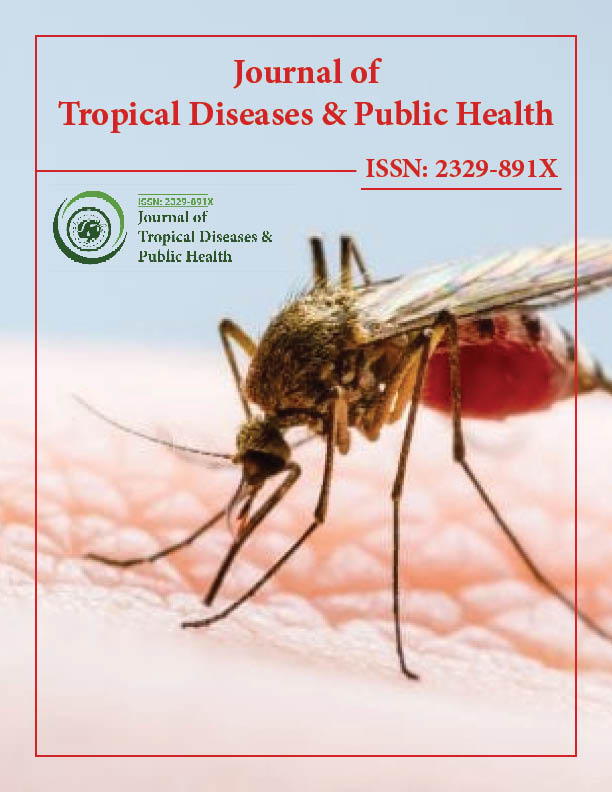
Journal Flyer
Open Access Journals
- Agri and Aquaculture
- Biochemistry
- Bioinformatics & Systems Biology
- Business & Management
- Chemistry
- Clinical Sciences
- Engineering
- Food & Nutrition
- General Science
- Genetics & Molecular Biology
- Immunology & Microbiology
- Medical Sciences
- Neuroscience & Psychology
- Nursing & Health Care
- Pharmaceutical Sciences
Commentary - (2026) Volume 15, Issue 2
Integrating Human, Animal, and Environmental Health Through the One Health Approach
Julian Mateo RiveraReceived: 19-May-2026, Manuscript No. JTD-26-32194; Editor assigned: 21-May-2026, Pre QC No. JTD-26-32194; Reviewed: 04-Jun-2026, QC No. JTD-26-32194; Revised: 11-Jun-2026, Manuscript No. JTD-26-32194; Published: 19-Jun-2026, DOI: 10.35241/2329-891X.26.15.517
Description
The One Health approach is a collaborative method that recognizes the close relationship between human health, animal health, and environmental conditions. Many health challenges arise from interactions between people, animals, and ecosystems, making cooperation among different scientific and professional fields necessary. This approach encourages healthcare professionals, veterinarians, environmental specialists, researchers, and communities to work together to understand health risks and develop suitable solutions.
Human health is strongly connected with the health of animals and the surrounding environment. Many infectious diseases that affect humans originate from animals or involve animal-related transmission pathways. Diseases such as rabies, avian influenza, and certain viral infections demonstrate the importance of monitoring interactions between humans and animals. Understanding these connections helps health professionals identify possible risks and improve prevention activities.
Environmental conditions also influence disease patterns and population health. Changes in climate, water quality, land use, and biodiversity can affect the spread of infectious agents and exposure to harmful substances. Environmental monitoring provides valuable information about factors that may contribute to health problems. Protecting natural resources and maintaining ecological balance support healthier conditions for both humans and animals.
Antimicrobial resistance is another major area where the One Health approach has an important role. The excessive or inappropriate use of antimicrobial medicines in humans, animals, and agriculture can contribute to the development of resistant microorganisms. These microorganisms may affect treatment options and create challenges for healthcare systems. Cooperation between medical professionals, animal health experts, and agricultural sectors supports responsible medicine use and improved monitoring practices.
Agricultural practices also influence human and animal health. The use of chemicals, management of livestock, and changes in farming methods can affect ecosystems and disease patterns. Sustainable agricultural activities support healthier environments and reduce possible health threats. The One Health approach encourages communication between agricultural professionals and health experts to promote safer practices.
Research and education are important parts of implementing the One Health approach. Scientists from different disciplines collect and analyze information related to disease transmission, environmental changes, and population health. Universities and research organizations contribute by training professionals who understand the connections between different health areas. Interdisciplinary education improves cooperation and strengthens health-related knowledge.
Community involvement supports the success of One Health activities. Local populations often interact directly with animals and natural environments, making their participation important for identifying health concerns. Awareness programs can help communities understand safe animal handling, environmental protection, hygiene practices, and disease prevention methods.
Wildlife health is also included within the One Health approach. Changes in wildlife populations, habitat destruction, and human expansion into natural areas can increase contact between humans and animals. Monitoring wildlife health provides information about possible disease risks and supports conservation efforts. Protecting ecosystems contributes to healthier relationships between humans, animals, and nature.
Climate change has increased attention toward integrated health approaches. Rising temperatures, changing rainfall patterns, and environmental disturbances can influence the distribution of disease-carrying organisms. The One Health approach helps researchers study these connections and develop responses that consider multiple factors affecting health.
Conclusion
The One Health approach provides an effective framework for understanding the connections between human health, animal health, and environmental conditions. The future of the One Health approach depends on continued collaboration, research investment, and strong communication among different sectors. Health challenges are becoming increasingly connected, requiring solutions that consider humans, animals, and ecosystems together. Supporting integrated health programs can improve disease prevention, environmental protection, and overall population wellbeing. By encouraging cooperation among different disciplines, it supports better prevention, monitoring, and management of health challenges. Infectious diseases, environmental risks, food safety concerns, and antimicrobial resistance require combined efforts from multiple sectors. Continued development of One Health programs will help create healthier communities, protect ecosystems, and improve global health outcomes.
Citation: Mateo J (2026). Integrating Human, Animal, and Environmental Health Through the One Health Approach. J Trop Dis. 15:517.
Copyright: © 2026 Mateo J. This is an open-access article distributed under the terms of the Creative Commons Attribution License, which permits unrestricted use, distribution and reproduction in any medium, provided the original author and source are credited.