
Indexed In
- RefSeek
- Hamdard University
- EBSCO A-Z
- Euro Pub
- Google Scholar
Useful Links
Share This Page
Journal Flyer
Open Access Journals
- Agri and Aquaculture
- Biochemistry
- Bioinformatics & Systems Biology
- Business & Management
- Chemistry
- Clinical Sciences
- Engineering
- Food & Nutrition
- General Science
- Genetics & Molecular Biology
- Immunology & Microbiology
- Medical Sciences
- Neuroscience & Psychology
- Nursing & Health Care
- Pharmaceutical Sciences
Opinion - (2026) Volume 11, Issue 2
Glucose Monitoring: A Vital Practice for Effective Diabetes Management
Amelia Foster*Received: 19-May-2026, Manuscript No. DCRS-26-32162; Editor assigned: 21-May-2026, Pre QC No. DCRS-26-32162; Reviewed: 04-Jun-2026, QC No. DCRS-26-32162; Revised: 11-Jun-2026, Manuscript No. DCRS-26-32162; Published: 19-Jun-2026, DOI: 10.35841/2572-5629.26.11.283
Abstract
Description
Glucose monitoring is an essential part of diabetes care that helps individuals and healthcare professionals understand how blood sugar levels change throughout the day. Regular monitoring provides valuable information about the effectiveness of treatment plans, dietary choices, physical activity, and medication use. By observing blood glucose patterns, adjustments can be made to improve diabetes management and reduce the likelihood of long-term health complications. Advances in medical technology have also expanded the range of monitoring methods available, allowing people with diabetes to select options that best suit their medical needs and daily routines.
Blood glucose is the primary source of energy for the body's cells. After food is consumed, carbohydrates are broken down into glucose, which enters the bloodstream. Insulin, a hormone produced by the pancreas, allows glucose to move from the bloodstream into cells where it can be used for energy. In people with diabetes, this process is disrupted because the body either produces insufficient insulin or does not respond effectively to it. As a result, blood glucose levels may remain above the normal range, increasing the possibility of damage to blood vessels, nerves, kidneys, eyes, and the heart if not properly managed.
Regular glucose monitoring provides immediate information about blood sugar levels. Individuals can observe how meals, exercise, stress, illness, medications, and sleep influence glucose values. These observations help patients make informed daily decisions regarding food intake, physical activity, and medication schedules. Healthcare professionals also use monitoring records to evaluate treatment effectiveness and determine whether changes in therapy are necessary.
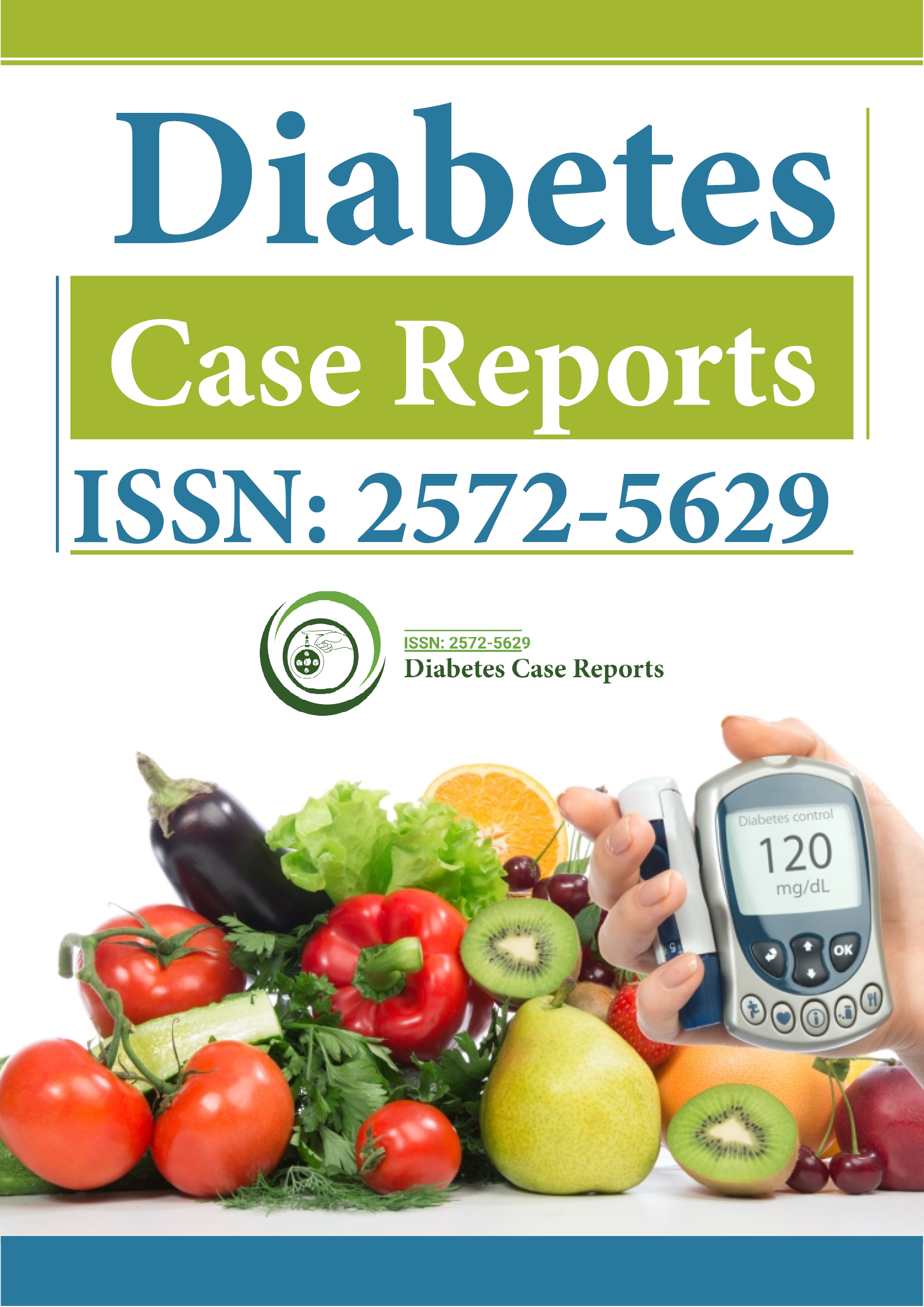
Several methods are available for measuring blood glucose. The traditional approach involves self-monitoring with a blood glucose meter. A small drop of blood is obtained by pricking the fingertip with a sterile lancet. The blood sample is placed on a test strip inserted into the glucose meter, which displays the glucose reading within seconds. This method has been widely used for many years because it is portable, relatively simple, and capable of providing accurate results when performed correctly.
The frequency of self-monitoring depends on individual treatment plans. People using insulin often check their blood glucose multiple times each day, including before meals, after meals, before bedtime, and occasionally during the night. Individuals who manage diabetes with oral medications or lifestyle measures may require less frequent testing, depending on medical advice and overall glucose control. Personalized monitoring schedules are developed according to each patient's health condition and treatment goals.
Continuous glucose monitoring has become increasingly available in recent years. This method uses a small sensor inserted beneath the skin to measure glucose levels in the fluid surrounding body cells. The sensor transmits glucose information to a receiver, smartphone, or compatible medical device at regular intervals throughout the day and night. Continuous monitoring allows individuals to observe glucose trends rather than isolated measurements, providing a more complete understanding of blood sugar fluctuations over time.
One of the advantages of continuous glucose monitoring is the ability to identify patterns that may not be detected through occasional finger-stick testing. Rising or falling glucose levels can be recognized before they become severe, allowing earlier action. Many systems also provide alerts when glucose levels become too high or too low, helping individuals respond promptly and reducing the likelihood of serious episodes of hyperglycemia or hypoglycemia.
Accurate glucose monitoring depends on proper technique. Hands should be clean and dry before obtaining a blood sample because food residue or other substances may affect results. Test strips should be stored according to manufacturer recommendations and used before their expiration date. Glucose meters may require periodic quality checks to ensure reliable performance. Individuals using continuous glucose monitoring systems should also follow manufacturer instructions regarding sensor placement, replacement schedules, and calibration if required.
Successful glucose monitoring involves more than collecting numerical values. Individuals benefit from understanding the reasons behind glucose changes and applying that knowledge to everyday life. Consistent monitoring encourages greater awareness of personal health, supports treatment adherence, and strengthens communication between patients and healthcare providers. Combined with healthy eating, regular physical activity, medication adherence, and routine medical care, glucose monitoring contributes significantly to reducing diabetes-related complications and improving overall well-being.
Conclusion
Glucose monitoring remains an essential component of effective diabetes management. Whether performed with traditional blood glucose meters or continuous glucose monitoring systems, regular testing provides valuable information about daily blood sugar patterns and treatment effectiveness. Accurate monitoring supports informed decisions regarding nutrition, physical activity, medication use, and medical care. When combined with regular healthcare follow-up and healthy lifestyle habits, glucose monitoring helps individuals maintain better glucose control and reduce the likelihood of long-term complications associated with diabetes. CGM technology provides more on Diabetes detailed information by measuring glucose levels at frequent intervals and displaying trends, allowing patients and healthcare professionals to recognize periods of rising or falling glucose levels. Regular glucose monitoring is particularly important for rindividuals receiving insulin or medications associated with hypoglycemia, as it can facilitate early detection.
Citation: Citation: Foster A (2026). Glucose Monitoring: A Vital Practice for Effective Diabetes Management. Diabetes Case Rep. 11:283.
Copyright: Copyright: © 2026 Foster A. This is an open-access article distributed under the terms of the Creative Commons Attribution License, which permits unrestricted use, distribution and reproduction in any medium, provided the original author and source are credited.