

Indexed In
- Open J Gate
- Academic Keys
- RefSeek
- Hamdard University
- EBSCO A-Z
- Publons
- Geneva Foundation for Medical Education and Research
- Google Scholar
Useful Links
Share This Page
Journal Flyer

Open Access Journals
- Agri and Aquaculture
- Biochemistry
- Bioinformatics & Systems Biology
- Business & Management
- Chemistry
- Clinical Sciences
- Engineering
- Food & Nutrition
- General Science
- Genetics & Molecular Biology
- Immunology & Microbiology
- Medical Sciences
- Neuroscience & Psychology
- Nursing & Health Care
- Pharmaceutical Sciences
Research - (2025) Volume 13, Issue 2
Factors Associated with Mortality in the Pediatric Intensive Care Unit at Bernard Mevs Hospital in Haiti
Taina Brice1, Maurice J. Chery2, Anne-Rose Miguel3, Naika Paulemie Desir4, Maraika Jean-Noel5, Nelenda Lafleche6, Richcard Alexandre1, Steeven Joseph3, Kohlz Erley Saint Jusca5, Raymonde Pinchinat6 and Adonai Aly Isaac Julien5*2Department of Medicine, University of Miami, Miami, USA
3Department of Emergency Medicine, Saint-Damien Hospital, Port-au-Prince, Haiti
4Department of Medicine, University of Notre Dame, Port-au-Prince, Haiti
5Department of Medicine and Pharmacy, State University of Haiti, Port-au-Prince, Haiti
6Department of Surgery, University Hospital of Mirebalais, Zanmi Lasante, Haiti
Received: 20-Nov-2024, Manuscript No. HCCR-24-27554; Editor assigned: 22-Nov-2024, Pre QC No. HCCR-24-27554 (PQ); Reviewed: 06-Dec-2024, QC No. HCCR-24-27554; Revised: 13-Aug-2025, Manuscript No. HCCR-24-27554 (R); Published: 20-Aug-2025, DOI: 10.35248/2375-4273.25.13.441
Abstract
Objective: The objective of this study was to identify the main factors influencing the mortality of patients aged 1 month to 16 years hospitalized in the pediatric intensive care unit at the Bernard Mevs Hospital (HBM).
Methods: This is a retrospective cross-sectional and analytical study over one year, in the pediatric intensive care unit of HBM from January 2017 to December 2017.
Results: From January 1, 2017, to December 31, 2017, 122 files of patients admitted to the Pediatric Intensive Care Units (PICU) at HBM were selected. Among those patients, a male predominance was demonstrated with 76 patients, or 63.30%, with a sex ratio of 1.65. The average age of the patients was 5.73 ± 4.73 years. The mortality rate was 33.60%, dominated by septic shock in 24% of cases. The probability of dying in the PICU is higher in male patients (p-value: 0.0049) and in patients who have been intubated (p-value: 0.0021).
Conclusion: Our study has demonstrated a high mortality rate among male patients and those who have been intubated. Most of the causes of admission were preventable. Other studies should be carried out to generalize data and identify key measures to reduce the infant and child mortality in Haiti.
Keywords
Pediatric intensive care unit; Mortality rate; Morbidity; Low-resource country; Haiti
Introduction
Millions of children around the world experience serious medical conditions that require adequate and rigorous care in PICU [1]. Pediatric intensive care units include all pathological conditions that require not only rigorous and constant medical supervision but also the competence and expertise of a wellorganized and trained multidisciplinary team. In fact, an intensive care unit, or ICU, is a hospital service that brings together health professionals who provide care to patients treated for severe health conditions with a poor prognosis [2].
Pediatric care units were only created six decades ago, in the 1950’s. Their existence and increasing number in the world over the past decades have been strongly associated with a significant drop in the infant and child mortality rate [3]. Unfortunately, to our knowledge, in Haiti, only two hospitals in the metropolitan area, created less than 20 years ago, have a pediatric intensive care unit for the entire pediatric population of this area.
Our study is one of the rare elaborates on this topic in Haiti. Our main goal was to describe and analyze the morbidity, the epidemiological profile of children admitted to an intensive care unit, and mainly the factors influencing their mortality in a hospital in the metropolitan area among patients aged from 1 month to 16 years hospitalized in the PICU of HBM from January 2017 to December 2017.
Materials and Methods
Type of study
Our study is a retrospective cross-sectional and analytical study of patients aged 1 month to 16 years admitted to the pediatric intensive care unit of Bernard Mews Hospital in Haiti from January 2017 to December 2017. The writing of the manuscript has been done according to the recommendations of the “Guidelines for reporting quantitative methods and results in primary research” [4].
Study framework
We conducted this study at HBMPM, a private Haitian Institution in the West Department, founded in 1994, located at Boulevard Toussaint Louverture village Solidarité, serving the population of this town and its surroundings. Its geographic coordinates are-72.318993 longitude and 18.561775 latitude. The pediatric intensive care unit is subdivided into a Neonatal Intensive Care Unit (NICU) with a capacity of 4 beds accommodating newborns from 0 to 28 days old and a PICU with a capacity of 4 beds intended for patients aged over 1 month to 18 years. For the ongoing year, 129 patients have been admitted to this intensive care unit.
Study population
All the patients aged 1 month to 16 years admitted to the pediatric intensive care unit from January 2017 to December 2017.
Inclusion and exclusion
Inclusion criteria: patients aged 1 month to 16 years who were admitted to the pediatric intensive care unit from January 2017 to December 2017.
Exclusion criteria: we excluded all records that had missing information, damaged files, or illegible information.
Data collection and analyzes
The data was collected by manual counting using a preelaborated questionnaire. A few variables age, sex, address, lengths of stay, diagnostics, mortality rate have been studied. The Epi Info 7 software (version 7.1.2.0.) was used to collect, enter, and analyze the data. We used the Mendeley software (Version 1.15.3) to create the bibliography. The Odds Ratio (OR) was used as an association measure, and the hypotheses of the study were verified with Pearson's or Fisher's exact Chi-square tests. The significance level of statistical tests is reached with a “p” value of less than 0.05.
Results
From January 1, 2017, to December 31, 2017, 129 patients were admitted to the Pediatric Intensive Care Unit of Hospital Bernard Mevs (HBM PICU). However, 7 records have been excluded because of missing or illegible information.
Out of 122 patients hospitalized in the PICU from January 1, 2017, to December 31, 2017, a male predominance was demonstrated with 76 patients (63.30%), with a sex ratio M/F of 1.65. The average age of the patients was 5.73 ± 4.73 years. The average age of male patients was 5.42 ± 4.61 and for the female patients was 6.24 ± 4.81. 98 patients of our cohort were mostly living in urban areas (80.33%) whereas 24 (19.67%) lived in rural areas.
Comorbidities
Of the 122 patients admitted to the PICU, 34 (27.87%) had comorbidities or a significant disability at the time of admission. 43 patients (35.25%) had a previous hospitalization. 66 patients (54.10%) had been placed on assisted ventilation at the time of admission, 13 patients (10.66%), had an objective and up-to-date vaccination record. The main comorbidities found in PICU patients during the period were hydrocephalus in 8 patients out of 34 with comorbidity (23.53%); prematurity in 6 patients (17.65%), heart disease in 3 patients (8.82%), sickle cell anemia in 3 patients (8.82%), acute severe malnutrition in 2 patients (4.88%) and asthma in 2 patients, i.e., 4.88% of cases (Figure 1).
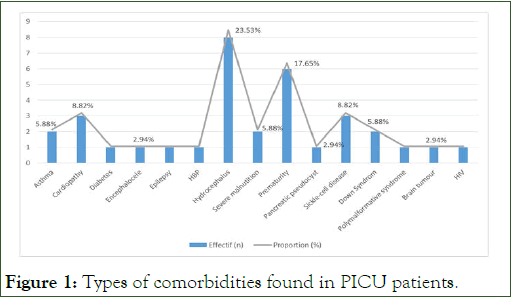
Figure 1: Types of comorbidities found in PICU patients.
Origin of patients
Among the patients in PICU, 55 (45.08%) came directly from their home and 67 of them i.e., 54.92% of admissions were referrals from other health structures. Among those who came from other heath structures, 47 patients (38.52%) were from another hospital; 16 (13.11%) were from a health care center; 4 (3.28%) came from a medical office (Table 1).
Time frame for seeking care
The time between the onset of symptoms and referral to a first hospital facility varies from 1 day to 150 days with an average time of 5.96 ± 16.46 days. With 64.72% of the population seeking care in less than 24 hours, 25.38% between 1 to 7 days, 18.03% between 7 to 14 days, 9% between 12 to 21 days and 4.1% more than 21 days after the onset of symptoms (Table 1).
Length of stay
The length of hospitalization for patients varies from less than 24 hours to more than 30 days with an average of 12.59 ± 16.15 days and a maximum of 121 days (Table 1).
Outcome
Regarding the outcome of the patients admitted to PICU during this period: 78 patients (69.93%) were discharged. Of those, 15 (19.23%) with neurological or physical sequelae; 3 patients (2.46%) left before completing their treatment; 41 (33.60%) died (Table 1).
Mortality
Of the 122 PICU admissions, 41 patients died and 81 survived, i.e., a mortality and survival rate of 33.60% and 66.40% respectively.
Socio-demographic characteristics of deceased patients: 63.41% of the patients who died had a M/F sex ratio of 1.73. 14 (34.15%) of them, were under 1-year-old; 13 i.e., 31.70% aged 1 to 5 years; 9 (21.95%) aged 6 to 12 years old; 5 or 12.20% over 12 years old. The average age was 6.33 ± 4.67 years. 9 patients among the deceased patients (21.95%), lived in rural areas and 32 (78.05%) in urban areas (Table 1).
| Variables | Categories | N (%) | |
| Age (years) | <1 | 27 (22.13%) | |
| 1-5 | 40 (32.79%) | ||
| 6-12 | 40 (32.79%) | ||
| >12 | 15 (12.30%) | ||
| Sex | F | 46 (37.70%) | |
| M | 76 (62.30%) | ||
| Residence | Rural area | 24 (19.67%) | |
| Urban area | 98 (80.33%) | ||
| Medical history | Comorbidities | Yes | 43 (35.25% |
| No | 79 (64.75%) | ||
| Previous hospitalization | Yes | 34 (27.87%) | |
| No | 88 (72.13%) | ||
| Vaccination status | Yes | 13 (10.66%) | |
| No | 109 (89.34%) | ||
| Intubation | Yes | 66 (54.10%) | |
| No | 56 (45.90% | ||
| Time to seek care (days) | ≤ 1 | 68 (55.73%) | |
| 1-7 | 31 (25.39%) | ||
| 7-14 | 7 (5.74%) | ||
| ≥ 14 | 16 (13.28%) | ||
| Origin | Reference | 67 (54.92%) | |
| Non reference | 55 (45.08%) | ||
| Diagnostic | Trauma | 43 (35.26%) | |
| Respiratory illness | 22 (18.04% | ||
| Meningial illnesses | 15 (12.30%) | ||
| Post-Surgical | 21 (17.22%) | ||
| Septic shock | 12 (9.84%) | ||
| Other | 9 (7.38%) | ||
| Length of hospital stay (days) | <1 | 9 (7.38%) | |
| 1-7 | 51 (41.80%) | ||
| 8-30 | 54 (44.26% | ||
| >30 | 8 (6.56%) | ||
| Final outcome | Survivors | 81 (66.40%) | |
| Deceased | 41 (33.60%) | ||
Table 1: Socio-demographic characteristics of patients admitted to the HBM PICU.
Comorbidities found in deceased population: 14 (34.14%) of the patients who died had a comorbidity at the time of admission. 16 of them (39.03%), had at least one previous hospitalization and 38 (92.68%) had been intubated at the time of admission. The main comorbidities found in the deceased patients were hydrocephalus in 9.75% of cases, heart disease found in 3 patients (7.31%); 2 cases (4.87%) of sickle cell anemia; 1 case (2.44%) of acute severe malnutrition, and 1 patient (2.44%) with Down syndrome (Figure 2).
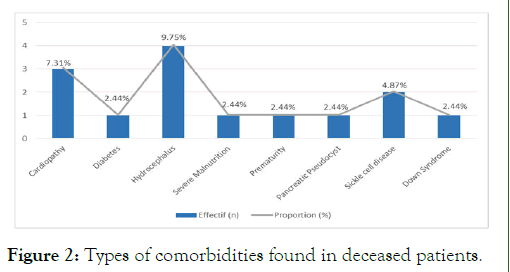
Figure 2: Types of comorbidities found in deceased patients.
Diagnostics retained in deceased population: The main diagnostics retained in the 41 deceased patients were dominated by: Septic shock, in 24.39% of cases, meningeal conditions in 19.51% of cases, trauma in 17.07% of cases, respiratory conditions in 14.63% of cases and post-surgical admissions in 14.63% of cases.
Bivariate descriptive analysis
This analysis made it possible to explore the distribution of the data obtained according to the outcome. Table 2 allowed us to establish whether there was a significant statistical difference between patients who survived their hospitalization and patients who died, referring to our hypothesis.
According to the outcome of the patients in our series, 34.15% of the patients under 1 year of age died, while 16.05% of them survived. No statistically significant difference was observed (p value of 0.09) (Table 2).
| Variables | Outcome | p-value | |
| Survivors n=81 N (%) |
Deceased n=41 | ||
| Age (years) | |||
| <1 | 13 (16,05%) | 14 (34,15%) | 0.09 |
| 1-5 | 27 (33,33% | 13 (31,71%) | |
| 6-12 | 31 (38,27%) | 9 (21,95%) | |
| >12 | 10 (12,35%) | 5 (12,20%) | |
| Gender | |||
| F | 31 (38,27%) | 15 (36,59%) | 0.0049 |
| M | 50 (61,73%) | 26 (63,41%) | |
| Residence | |||
| Rural area | 15 (18,52%) | 9 (21,95%) | 0.64 |
| Urban area | 66 (81,48%) | 32 (78,05%) | |
| Medical history | |||
| Comorbidities | Oui 20 (24,69%) | 14 (34,25%) | 0.7142 |
| Previous hospitalization | Oui 27 (33,33%) | 16 (39,02%) | 0.196 |
| Intubation | Oui 28 (34,57%) | 38 (92,68%) | 0.0021 |
| Origin | |||
| Reference | 46 (56,79) | 21 (51,22%) | 0.56 |
| Non reference | 35 (43, 21%) | 20 (48,78%) | |
| Diagnostic | |||
| Trauma | 36 (44,44%) | 7 (17,07%) | 0,65 |
| Respiratory illnesses | 16 (19,73%) | 6 (14,63%) | |
| Meningeal illnesses | 7 (8,64%) | 8 (19,51%) | |
| Post-surgery | 15 (18,52%) | 6 (14,63%) | |
| Septic shock | 2 (2,47% | 10 (24,39%) | |
| Other | 5 (6,17%) | 4 (9,75%) | |
| Length of hospitalization (days) | |||
| <1 | 6 (7,41%) | 3 (7,31%) | 0,75 |
| 1-7 | 32 (39,50%) | 19 (46,34%) | |
| 8-30 | 35 (43,21%) | 19 (46,34%) | |
| >30 | 8 (9.88%) | 0 (0.00%) | |
Table 2: Socio-demographic characteristics of patients by outcome.
Statistical inference
Multivariate dynamic analysis: This analysis is used below to measure the association between mortality and the different factors likely to influence it, which allowed us to test our hypotheses. The model is generally well specified with a p-value likelihood ratio=0.0020). Therefore, the results obtained are valid. This analysis of the results made it possible to identify the factors associated with a greater probability of dying. Thus, intubation and male gender are statistically significant factors in mortality in the HBM’s PICU. Intubation increased the risk of dying by 2.87 times in our series (p-value=0.0021, OR=2.8723).
Patients of male gender have a 34% higher probability of dying than patients of female gender (p-value=0.0049, OR=0.3399). Indeed, comorbidities as well as previous hospitalization are statistically insignificant factors (Table 3).
| Factors | Odds ratio | 95% C.I. | P-value |
| Comorbidities (Yes/No) | 0.82 | (0.2910; 2.3297) | 0.7142 |
| Gender (M/F) | 0.34 | (0.1602; 0.7210) | 0.0049 |
| Intubation (Yes/No) | 2.87 | (1.4651; 5.6310) | 0.0021 |
| Previous hospitalization (Yes/No) | 0.54 | (0.2122; 1.3742) | 0.196 |
Table 3: Results of hypothesis verification obtained by multivariate analysis.
Discussion
To our knowledge, our research regarding the factors influencing the mortality among patients hospitalized in a pediatric intensive care unit in Haiti is one of the first to be published. The average age of patients hospitalized in the intensive care unit of the HBM in our study was 5.73 ± 4.73 years (0.08 to 16 years) and the median age was 5 years. Male patients had an average age of 5.42 ± 4.61 years and female patients 6.24 ± 4.81 years. Which is like the results of the study carried out in Brazil in 2009, in which: The median age of patients was 4.9 ±2.7 years – 4.6 years in male patients and 5.3 years in female patients [2]. Our results were also similar to the study carried out in Europe where the average age was 5 years. Our results were different to the study carried out in Africa by Coetzee S, where the median age was 7 months. This study used a methodology different from ours (observational study) and analyzed the epidemiological profile of the population admitted to the PICU for a specific factor, namely measles [4]. Our results also differ from the retrospective study carried out in Europe by Lanetzki CS, et al., where the median age of patients was 2.7 years [5]. Our results could be explained by the high mortality rate among children less than 5 years old who are more at risk of dying from preventable and treatable causes mostly due to socioeconomic disparities [3].
Our study revealed a strong predominance of male patients hospitalized in the PICU: 76 patients (63.30%,), with a M/F sex ratio of 1.65. Result similar to the various studies mentioned in our literature review, namely the work of: Araujo, et al., in Brazil; Lanetzki C, et al., in Europe; Kwizera A, et al., in Africa [2,5,6]. Indeed, studies have shown that the mortality rate among boys is higher than girls in most parts of the world. For this age group, this has been explained by sex differences in genetic and biological makeup, with boys being biologically weaker and more susceptible to diseases and premature death [7].
Regarding the residence area, our study population mainly resided in urban areas with 98 patients (80.33%) and 24 (19.67%) in rural areas. However, in the observational study conducted by O'Callaghan, DJ et al., the infant mortality is slightly higher in rural areas than in urban areas (59% versus 56%) [8].
1/3 of the patients in the study carried out by El Halal MG, et al., were referred from other hospitals (34.7%). Only 0.7% of admissions came directly from their home [9]. The study carried out by Javad Ghaffari, et al. in 2011 revealed that 49% of patients came directly from their homes and 51% from other hospital structures. This latest study has similar results to ours. Indeed, among our study populations 55 patients (45.08%) came directly from their home and 67 patients (54.92%) of admissions were referrals from other health structures [9]. This high referral rate could be explained by the fact that HBM is one of the rare hospitals in the metropolitan area, accessible to the population, and equipped with an emergency and intensive care unit.
In our series, the average time to seek care was 1 day. These results are similar to those of the study carried out in Africa by Karin Källander, et al., according to which the average time to seek care outside the home was 2 days [4]. Results that could be explained by the tendency of our population to resort to traditional medicine before any contact with any medical structure.
Regarding the duration of stay in the hospital, in our study it varied from less than 24 hours to more than 30 days with a maximum duration of 121 days, and an average duration of 12.59 ± 16.15 days. These findings differ from studies carried out in Africa by Karin Källander, et al., with an average duration of hospitalization of 3 days and which could be explained by the fact that it is a series of cases carried out on a population of children aged less than 5 years and relates exclusively to admissions due to pneumonia.
Our research also demonstrated that 54.10% of patients admitted to the PICU during this period were intubated and received mechanical ventilation at the time of their admission. These results are almost similar to the study of Navin P. Boeddha, et al., who demonstrated that 69% of their patients benefited from invasive ventilation. The retrospective study carried out in Iran revealed that 24.60% of deceased patients were intubated during their hospitalization in PICU. Results which differ from our study, where 92.68% of deceased patients were intubated. The differences could be explained by the fact that the study carried out in Iran, although having a similar methodology, had excluded cases of trauma and post-surgical admissions.
The main diagnostic of the patients in our study were classified into different categories: first trauma, found in 43 patients or 35.26% of admission, followed by respiratory diseases, found in 22 patients or 18.04% of admission and third post-surgical admissions, in 17.22% of cases. Our results are similar to the study carried out in 2009 in Brazil by Taisa E. Araujo, et al., [2] which demonstrated that respiratory illnesses represented the most common causes of admission to intensive care units (32.7%), followed by post-operative care (30.9%) and trauma cases (12.8%). However, the results of other studies, although all having in common respiratory illnesses as the most common cause of hospitalization; differ from our results. In Uganda, the study carried out by Kwizera A, et al., demonstrated that the most frequent cause of admission was post-surgical treatments. The percentage was not mentioned in this study [6].
The latest studies carried out around the world have demonstrated that the mortality rate in PICU is now <3%. Studies carried out in Europe, North America, and Africa, by Agra Tuñas et al., Namachivayam, et al., Markita L, and Suttle, et al., demonstrated similar results with a respective mortality rate of 2.20%, and 2.38%. Results completely different from the mortality rate found in our study work i.e., 33.60%. This high mortality rate in the pediatric intensive care unit of HBM could be explained by the generally late delay in seeking care of the Haitian population and by the high rate of trauma due to motor vehicle accidents and falls, admitted during this period; and knowing that HBM is known for the management of emergencies from all causes.
56.10% of deaths occurred in a context of brain death, 41.46% after failure of cardiovascular resuscitation and 2.44%, after a decision of limitation of therapeutic intervention. This differs from the data published by Agra Tuñas, MC et al., in Spain where 50.7% of deaths occurred after a decision to limit therapeutic intervention; 114 (33.8%) after cardiovascular resuscitation and 52 (15.4%) were due to cases of brain death. And also, those published by Markita L. Suttle, et al., in the United States of America where 133 patients (70%) died after interruption of life-sustaining treatment, 30 (16%); after a diagnosis of brain death and 26 (14%) following an attempt at cardiopulmonary resuscitation.
In our research, the deceased patients were mainly male i.e., 26 patients (63.41%), with a M/F sex ratio of 1.73. Result similar to the study of Rashma RP, et al., where 52% of the deceased patients were male; and similar to the result of Valavi E, et al., where death was observed in 51.80% of M patients. 14 patients (or 34.15%) died in our study; they were less than 1-year-old. The results are similar to those of the study carried out by El Halal MG, et al., where 37.5% of the deceased patients were aged less than 1 year [9]. The average age of patients who died in our study was 6.33 ± 4.67 years. This differs from the results of Rashma RP, et al., where the average age of the deceased children was 3.40 ± 4.16 years; note that this study, although having a similar methodology to ours, was carried out on a younger population (1 month to 14 years old). It also differs from the retrospective study carried out in Iran by Valavi E, et al., where the average age of deceased patients was 2.2 years.
Our research also demonstrated that the mortality rate decreased with age; 14 deaths i.e., 34.15% aged less than 1 year; 13 i.e., 31.70% aged 1 to 5 years; 9 i.e., 21.95% aged 6 to 12 years old and 5 i.e., 12.20% over 12 years old (Table 2). This result differs from El. Halal M.G. et al., who found that mortality increased significantly with age. The mortality rate was 0.9%, 8.9%, 12.3%, 10.4% and 17%, respectively, for children ≤ 1 month, <1 year, 1-5 years old, 5-12 years old and ≥ 12 years old [9].
Among the 41 deaths recorded in our study, 34.14% of patients had a comorbidity at the time of admission. 16 of them i.e., 39.03%, had at least one previous hospitalization. These results differ from those of Agra Tuñas MC, et al., in Spain where a total of 86 patients (25.5%) had a previous hospitalization, 273 (75%) of them suffered from a chronic pathology and 78 (23%) had a serious disability at the time of admission. This difference could be explained by the fact this study was carried out over several years in several hospital centers.
The comorbidities found in the 14 deceased patients were mainly of a neurological aspect with 4 patients, i.e., 28.56% with hydrocephalus, 21.43% i.e., 3 patients with heart diseases, 2 i.e., 14.28%, had hematological disease (sickle cell disease), 1 patient i.e., 7.42% had chromosomal anomaly (Down syndrome). These were also the most frequent comorbidities in the study by Halal M.G. et al., neurological (11.5%), hematological/oncological (11.4%) and genetic (7.3%) [9]. Which could probably be explained by the fact that HBM is one of the rare hospitals with a neurosurgery department that serve the adult and pediatric population [9].
The main diagnostics retained in the 41 deceased patients in our work, were dominated by: septic shock in 24.39% of cases knowing that preventable infections still play a major role in the pediatric mortality in Haiti. Meningeal conditions were found in 19.51% of cases, trauma in 17.07% of cases, respiratory illnesses in 14.63% of cases and post-surgical admissions in 14.63% of cases. These diagnostics are different from those published by Agra Tuñas MC, et al., a retrospective study carried out in Spain for which the most frequent causes of hospitalization were in 32.6% of cases, cardiac and in 22.6% of cases, respiratory illnesses [13]. They also differ from the results of El Halal MG, et al., where the mortality was mainly due to cardiopulmonary arrest in 29% of cases, sepsis 19%, pneumonia 16%, multi-system dysfunction 14%, hepatic diseases in 7% of cases, an inborn error of metabolism 6%, and acute respiratory distress syndrome in 6% of cases.
Predictive factors of mortality: Our research allowed us to identify among the different hypotheses mentioned, two factors associated with greater mortality rate within the PICU of HBM. Indeed, following our various analyses, male gender and intubation were retained as predictive factors of mortality (p=0.0021, and p=0.0049) respectively. Intubation was also incriminated in the studies of Navin P. Boeddha, et al., and Valavi E, et al. This factor could be explained by the fact that patients generally placed under mechanical ventilation within an ICU are patients in more critical shape than patients who are not. Our results are also similar to the studies of Rashma RP, et al., and Valavi E, et al., where in fact also male sex was identified as a predictive factor of mortality. This could be explained by the fact that our study population is mainly boys (Table 1). Results which should arouse scientific curiosity and constitute an avenue for future scientific research.
Strengths and limitations: The predictors of mortality in a PICU is a subject of great importance in Haiti, but unfortunately information, studies and even researches are very limited. Indeed, very few studies on this subject have been carried out in Haiti.
Although there are only two hospitals in the metropolitan area with a pediatric intensive care unit, this study was carried out in only one center, namely HBM, which is known for the management of medical emergencies, intensive care, and surgical intervention.
Conclusion
A pediatric intensive care unit is a critical care entity essential to the care and survival of children who face life-threatening illnesses every day. The literature and this research have allowed us to see that, in fact, without a qualified staff and rigorous care, many seriously ill children would die. Many predictable or avoidable admissions often lead to deaths in a PICU. However, in Haiti, although aware of this sad reality, there are very few hospitals with a pediatric intensive care unit, very few pediatricians with training in this area and even fewer data on this theme. Morbidity in PICU in Haiti and the factors influencing mortality are not known to everyone. Morbidity within the HBM’s PICU during the year 2017 was mainly dominated by trauma in 35.26% of cases, followed by respiratory conditions (18.04%), and post-surgical cases (17.22%). The high mortality rate (33.60%) was dominated by septic shock (24.39%), followed by meningeal diseases (19.51%) and trauma (17.07%). Two factors in our study were identified as influencing of mortality in patients admitted to the HBM’s PICU during 2017: Male gender and mechanical ventilation. Other studies preferentially multicenter studies should be carried out to reinforce these findings and identify new factors influencing mortality in a PICU. This would allow us to generalize data in Haiti, implement and identify key measures to reduce the mortality in PICU and therefore reduce the infant and child mortality in Haiti.
Funding
This research received no external funding.
Ethical Approval
The study was approved by the Institutional Review Board (or
Ethics Committee) of the Faculty of Medicine and Health
Sciences of the University of Notre Dame D'Haïti (FMSSUNDH).
Acknowledgments
Special thank you to the staff working in the Archives of Hospital Bernard Mevs who made this study possible.
Conflicts Of Interest
The authors declare no conflicts of interest.
References
- Nabhani M. Mortalité infantile: 1,9 million de bébés sont morts tragiquement en 2021. UNICEF. 2024.
- Araujo TE, Vieira SMG, Carvalho PRA. Stress ulcer prophylaxis in pediatric intensive care units. J Pediatr (Rio J). 2010;86(6):525–530.
[Crossref] [Google Scholar] [PubMed]
- World Health Organization. COVID-19 cases | WHO COVID-19 Dashboard. 2024.
- Norris JM, Plonsky L, Ross SJ, Schoonen R. Guidelines for reporting quantitative methods and results in primary research. Lang Learn. 2015;65(2):470–476.
- Coetzee S, Morrow BM, Argent AC. Measles in a South African paediatric intensive care unit: Again!. J Paediatr Child Health. 2014;50(5):379–385.
[Crossref] [Google Scholar] [PubMed]
- Lanetzki CS, de Oliveira CAC, Bass LM, Abramovici S, Troster EJ. The epidemiological profile of Pediatric Intensive Care Center at Hospital Israelita Albert Einstein. 2012;10:16–21.
- Kwizera A, Dünser M, Nakibuuka J. National intensive care unit bed capacity and ICU patient characteristics in a low-income country. BMC Res Notes. 2012;5:475.
[Crossref] [Google Scholar] [PubMed]
- Pongou R. Why is infant mortality higher in boys than in girls? A new hypothesis based on preconception environment and evidence from a large sample of twins. Demography. 2013;50(2):421–444.
[Crossref] [Google Scholar] [PubMed]
- O’Callaghan DJ, Jayia P, Vaughan-Huxley E, Smith I, Bauza G, Peña O, et al. An observational study to determine the effect of delayed admission to the intensive care unit on patient outcome. Crit Care. 2012;16(5):R173.
Citation: Brice T, Chery MJ, Migue AR, Desir NP, Jean-Noe M, Lafleche N, et al. (2025) Factors Associated with Mortality in the Pediatric Intensive Care Unit at Bernard Mevs Hospital in Haiti. Health Care Curr Rev. 13:432.
Copyright: © 2025 Brice T, et al. This is an open-access article distributed under the terms of the Creative Commons Attribution License, which permits unrestricted use, distribution, and reproduction in any medium, provided the original author and source are credited.