
Indexed In
- Open J Gate
- Academic Keys
- ResearchBible
- China National Knowledge Infrastructure (CNKI)
- Centre for Agriculture and Biosciences International (CABI)
- RefSeek
- Hamdard University
- EBSCO A-Z
- OCLC- WorldCat
- CABI full text
- Publons
- Geneva Foundation for Medical Education and Research
- Google Scholar
Useful Links
Share This Page
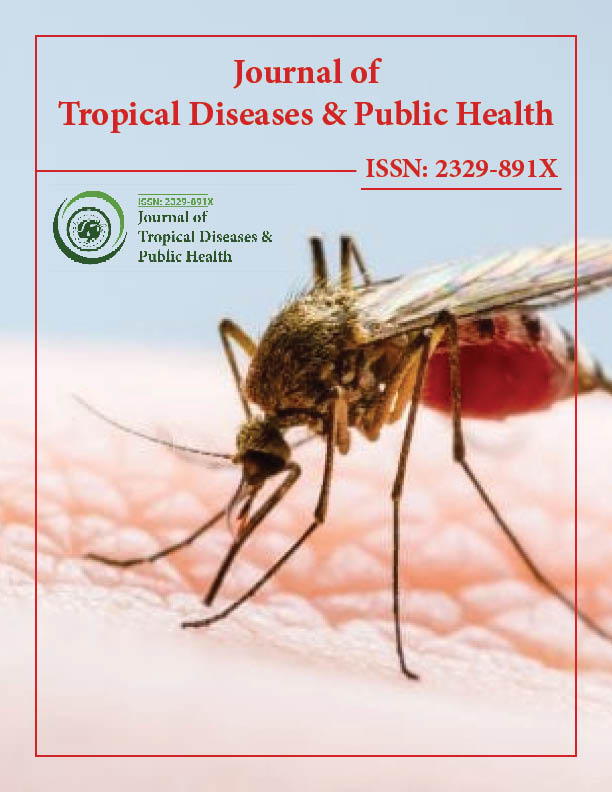
Journal Flyer
Open Access Journals
- Agri and Aquaculture
- Biochemistry
- Bioinformatics & Systems Biology
- Business & Management
- Chemistry
- Clinical Sciences
- Engineering
- Food & Nutrition
- General Science
- Genetics & Molecular Biology
- Immunology & Microbiology
- Medical Sciences
- Neuroscience & Psychology
- Nursing & Health Care
- Pharmaceutical Sciences
Commentary - (2026) Volume 15, Issue 2
Evaluating Disease Burden and Its Influence on Global Population Health
Marcus Adrian Velasco*Received: 19-May-2026, Manuscript No. JTD-26-32197; Editor assigned: 21-May-2026, Pre QC No. JTD-26-32197; Reviewed: 04-Jun-2026, QC No. JTD-26-32197; Revised: 11-Jun-2026, Manuscript No. JTD-26-32197; Published: 19-Jun-2026, DOI: 10.35241/2329-891X.26.15.519
Description
Disease burden refers to the overall impact of diseases, injuries, and health conditions on individuals, families, communities, and healthcare systems. It includes the effects of illness on quality of life, daily activities, economic productivity, healthcare requirements, and population wellbeing. Understanding disease burden helps researchers, healthcare professionals, and policymakers identify major health concerns and develop suitable strategies to improve health outcomes.
The measurement of disease burden involves examining different aspects of health conditions, including the number of people affected, severity of illness, duration of disease, disability levels, and mortality rates. These measurements provide information about how diseases influence populations and assist health organizations in planning healthcare services. Disease burden studies are widely used to compare health challenges between different regions and population groups.
Infectious diseases continue to contribute significantly to disease burden in many parts of the world. Conditions such as malaria, tuberculosis, dengue, respiratory infections, and other communicable diseases affect millions of people annually. Factors such as climate conditions, sanitation, healthcare availability, and population movement influence the spread and impact of infectious illnesses. Monitoring these diseases helps health organizations identify areas requiring additional prevention and treatment support.
Noncommunicable diseases represent another major source of disease burden worldwide. Conditions including cardiovascular diseases, cancer, diabetes, and chronic respiratory disorders contribute to long-term health challenges. These diseases often require continuous healthcare services and can affect individuals’ ability to work, study, and participate in daily activities. Prevention programs and early health assessments are important for reducing the effects of these conditions.
The social and economic effects of disease burden are significant. Illness can affect household income, educational opportunities, and community development. Families may experience financial difficulties due to medical expenses and reduced productivity. At the population level, high disease burden can place increased pressure on healthcare systems and available resources.
Children and older adults are among the groups that may experience greater health effects from certain diseases. Childhood illnesses can influence growth, learning, and development, while health conditions among older adults may affect independence and quality of life. Public health programs that address the needs of different age groups help reduce health challenges across populations.
Environmental factors contribute to disease burden by influencing exposure to health risks. Air pollution, unsafe water, poor sanitation, and changing climate conditions can increase the occurrence of certain diseases. Environmental health programs help identify these risks and support actions that create safer living conditions.
Lifestyle factors also influence the development of many health conditions. Dietary patterns, physical activity levels, tobacco use, alcohol consumption, and stress can affect the likelihood of developing chronic diseases. Health promotion programs encourage individuals to adopt healthier behaviors and reduce preventable health risks.
Global health initiatives focus on reducing disease burden by supporting healthcare development, prevention activities, and access to essential medical services. Cooperation between countries and organizations allows sharing of knowledge and resources. These efforts contribute to improving health conditions among populations facing different health challenges.
Conclusion
Disease burden provides important information about the impact of health conditions on individuals and societies. Measuring disease effects helps healthcare systems identify priorities, improve services, and develop prevention programs. Future approaches to reducing disease burden will require attention to prevention, healthcare accessibility, environmental protection, and social factors. Understanding the causes and effects of diseases allows health systems to develop more effective programs. Continuous evaluation of health strategies helps improve responses to changing population needs. Reducing disease burden requires combined efforts involving healthcare professionals, researchers, policymakers, and communities. Continued attention to disease prevention, early diagnosis, healthcare access, and health education will support healthier populations and improved quality of life worldwide.
Citation: Velasco MA (2026). Evaluating Disease Burden and Its Influence on Global Population Health. J Trop Dis. 15:519.
Copyright: © 2026 Velasco MA. This is an open-access article distributed under the terms of the Creative Commons Attribution License, which permits unrestricted use, distribution and reproduction in any medium, provided the original author and source are credited.