
Indexed In
- Open J Gate
- Academic Keys
- ResearchBible
- China National Knowledge Infrastructure (CNKI)
- Centre for Agriculture and Biosciences International (CABI)
- RefSeek
- Hamdard University
- EBSCO A-Z
- OCLC- WorldCat
- CABI full text
- Publons
- Geneva Foundation for Medical Education and Research
- Google Scholar
Useful Links
Share This Page
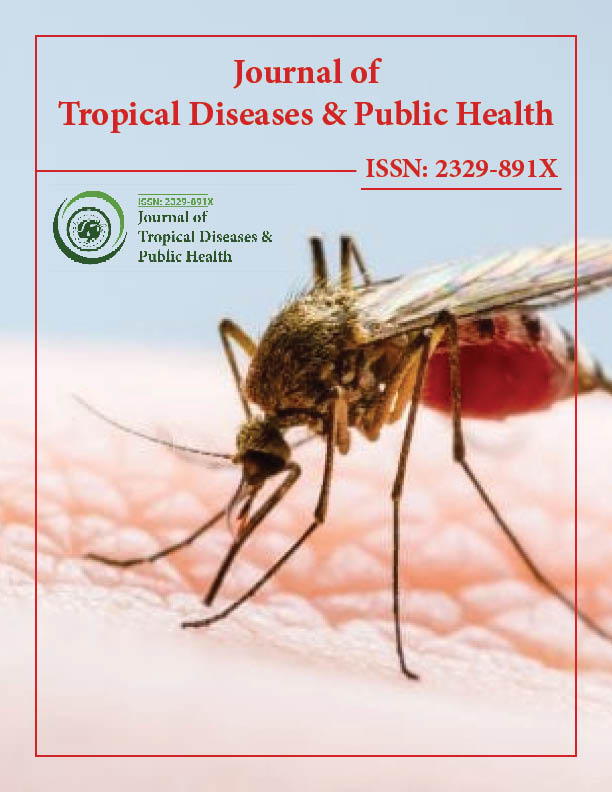
Journal Flyer
Open Access Journals
- Agri and Aquaculture
- Biochemistry
- Bioinformatics & Systems Biology
- Business & Management
- Chemistry
- Clinical Sciences
- Engineering
- Food & Nutrition
- General Science
- Genetics & Molecular Biology
- Immunology & Microbiology
- Medical Sciences
- Neuroscience & Psychology
- Nursing & Health Care
- Pharmaceutical Sciences
Perspective - (2025) Volume 14, Issue 3
Disease Prevention: Approaches, Challenges, and Global Health Implications
Rafael Moreno*Received: 19-Aug-2025, Manuscript No. JTD-25-30728; Editor assigned: 21-Aug-2025, Pre QC No. JTD-25-30728; Reviewed: 04-Sep-2025, QC No. JTD-25-30728; Revised: 11-Sep-2025, Manuscript No. JTD-25-30728; Published: 18-Sep-2025, DOI: 10.35241/2329-891X.25.13.487
Description
Disease prevention is a critical aspect of public health that focuses on reducing the occurrence, transmission and impact of illness. Preventive measures target both infectious and noninfectious conditions, emphasizing proactive strategies to maintain health rather than solely treating disease. Effective prevention relies on understanding the causes, risk factors and modes of transmission for various illnesses, as well as implementing interventions at individual, community and systemic levels.
Vaccination remains one of the most powerful tools in disease prevention. Immunization programs have successfully controlled or eradicated diseases such as smallpox and significantly reduced the incidence of polio, measles and tetanus. Vaccines protect individuals and communities by stimulating immunity and preventing outbreaks. Global coordination and consistent public health messaging are necessary to maintain high vaccination coverage and prevent the resurgence of preventable diseases.
Hygiene and sanitation measures are essential for reducing infection rates. Practices such as handwashing, proper food preparation, safe water consumption and waste management prevent the spread of pathogens. Communities with improved sanitation infrastructure experience lower rates of gastrointestinal and respiratory infections. Health education campaigns reinforce personal hygiene practices and increase public awareness of behaviors that reduce disease risk.
Lifestyle and behavioral interventions contribute to the prevention of chronic diseases. Balanced nutrition, regular exercise, limited alcohol consumption, tobacco avoidance and stress management reduce the likelihood of obesity, cardiovascular diseases, type 2 diabetes and certain cancers. Public health programs that promote healthy behaviors, provide access to nutritious foods and encourage physical activity play a critical role in long-term disease prevention.
Vector-borne disease prevention targets illnesses transmitted by insects or animals. Controlling mosquito populations, using protective clothing or bed nets and eliminating stagnant water sources help prevent malaria, dengue and other vector-borne infections. Community engagement and education enhance the effectiveness of these strategies, ensuring sustainable behavior change and active participation in preventive measures.
Screening, early detection and regular medical check-ups help identify conditions before they become severe. Detecting high blood pressure, elevated blood sugar or cancerous growths early allows for timely intervention and management.
Environmental interventions further support disease prevention. Safe drinking water, clean air, proper waste disposal and safe housing reduce exposure to environmental hazards and pathogens. Policies regulating industrial emissions, food safety and occupational safety protect populations from environmental risks that could contribute to illness. Urban planning and community infrastructure development also promote healthy living conditions that prevent disease.
Education and public awareness campaigns are essential for promoting preventive behaviors. Health literacy initiatives empower individuals to understand risk factors, recognize early symptoms and adopt protective measures. Schools, media and community programs disseminate information that encourages healthier lifestyles, proper hygiene and compliance with vaccination schedules, thereby reinforcing broader public health goals.
Socioeconomic conditions influence the effectiveness of disease prevention strategies. Policies addressing social determinants, such as poverty, education and housing, enhance the reach and impact of preventive interventions. Collaboration between governments, Non-Governmental Organization (NGOs) and local communities strengthens the implementation of comprehensive prevention programs.
Conclusion
Disease prevention is a multifaceted approach that combines immunization, hygiene, behavioral interventions, environmental management, early detection, vector control, education and supportive policies. By reducing exposure to risk factors and enhancing protective behaviors, preventive strategies improve health outcomes, lower healthcare costs and promote well-being across populations. Implementing comprehensive prevention programs is essential for building resilient societies capable of mitigating the burden of both infectious and chronic diseases. Governments and public health organizations must ensure equitable access to preventive services and create policies that encourage healthy behaviors. Addressing social determinants of health, such as poverty and education, enhances the overall impact of disease prevention efforts.
Citation: Moreno R (2025). Disease Prevention: Approaches, Challenges and Global Health Implications. J Trop Dis. 13:487.
Copyright: © 2025 Moreno R. This is an open-access article distributed under the terms of the Creative Commons Attribution License, which permits unrestricted use, distribution and reproduction in any medium, provided the original author and source are credited.