
Indexed In
- RefSeek
- Hamdard University
- EBSCO A-Z
- Euro Pub
- Google Scholar
Useful Links
Share This Page
Journal Flyer
Open Access Journals
- Agri and Aquaculture
- Biochemistry
- Bioinformatics & Systems Biology
- Business & Management
- Chemistry
- Clinical Sciences
- Engineering
- Food & Nutrition
- General Science
- Genetics & Molecular Biology
- Immunology & Microbiology
- Medical Sciences
- Neuroscience & Psychology
- Nursing & Health Care
- Pharmaceutical Sciences
Perspective Article - (2025) Volume 10, Issue 4
Coin-Shaped Skin Lesions and Their Clinical Management in Developed Healthcare Systems
Laura Bennett*Received: 01-Dec-2025, Manuscript No. JOD-25-31139; Editor assigned: 03-Dec-2025, Pre QC No. JOD-25-31139 (PQ); Reviewed: 17-Dec-2025, QC No. JOD-25-31139; Revised: 24-Dec-2025, Manuscript No. JOD-25-31139 (R); Published: 30-Dec-2025, DOI: 10.35248/2684-1436.25.10.292
Abstract
Description
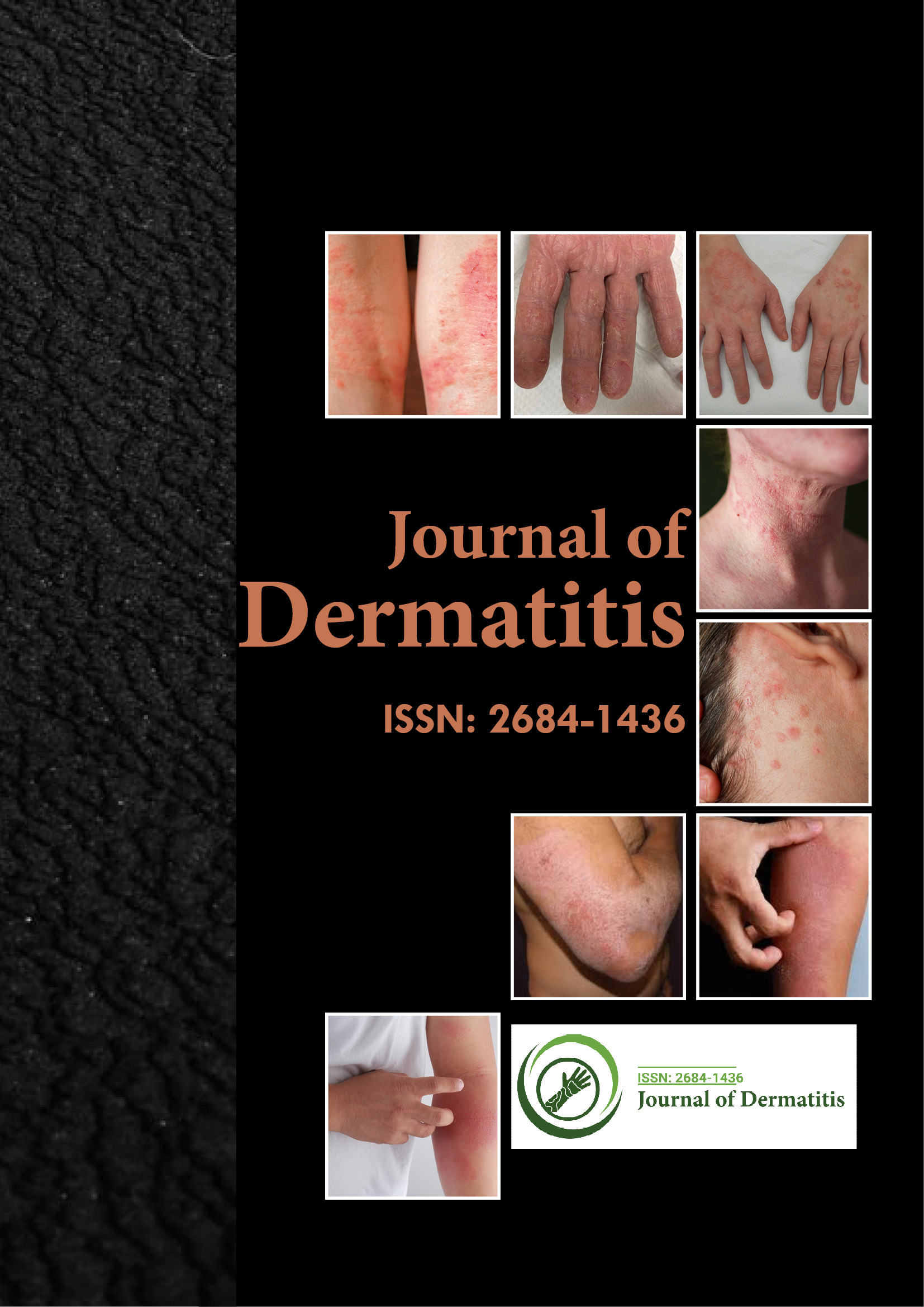
Nummular Dermatitis is a chronic inflammatory skin condition that presents with distinct round or oval patches on the skin. These lesions are often red, scaly and intensely itchy and they may appear on the arms, legs, torso or hands. The term “Nummular” is derived from the Latin word for coin, reflecting the characteristic shape of the lesions. In developed countries such as the United States, this condition is frequently diagnosed in dermatology clinics and is known to affect both adults and children, although it is more common in middle-aged individuals. The appearance of nummular dermatitis can vary depending on the stage and severity of the condition. Early lesions may begin as small red spots that gradually expand into larger plaques. Over time, the affected areas may become dry, cracked or even ooze fluid if the skin barrier is significantly disrupted. Persistent scratching due to itching can worsen the condition and increase the risk of secondary infection. Patients often report that the itching intensifies at night, which can interfere with sleep and overall well-being. The exact cause of nummular dermatitis is not fully understood, but several contributing factors have been identified. Dry skin is one of the most significant risk factors, particularly in environments with low humidity or during colder months when indoor heating reduces moisture levels. Individuals with a history of other skin conditions, such as atopic dermatitis, may be more susceptible. Additionally, skin injuries such as insect bites, burns or abrasions can sometimes trigger the development of these coin-shaped lesions.
Environmental influences in urban settings like Chicago play a role in the occurrence and progression of nummular dermatitis. Seasonal changes, especially during winter, can lead to decreased skin hydration and increased vulnerability to irritation. Air pollution and exposure to harsh weather conditions may also contribute to skin inflammation. Indoor environments, including prolonged exposure to dry air from heating systems, can further compromise the skin’s natural barrier. Lifestyle factors are also important in understanding this condition. Frequent bathing with hot water, the use of harsh soaps and exposure to chemical irritants can strip the skin of its natural oils. This can lead to dryness and make the skin more prone to inflammation. Individuals working in occupations that involve frequent hand washing or contact with irritants may experience more severe symptoms. Stress has also been associated with flare-ups, suggesting a link between psychological factors and skin health. Diagnosis of nummular dermatitis is primarily based on clinical examination. Dermatologists assess the appearance, distribution and characteristics of the lesions to distinguish this condition from other skin disorders such as fungal infections or psoriasis. In some cases, additional tests may be performed to rule out other causes, particularly if the presentation is atypical. Accurate diagnosis is essential to ensure appropriate treatment and avoid unnecessary therapies.
Management of nummular dermatitis focuses on restoring the skin barrier, reducing inflammation and relieving symptoms. Moisturization is a fundamental aspect of care, as it helps to improve skin hydration and prevent further dryness. Patients are often advised to use fragrance-free and hypoallergenic products that are gentle on the skin. Topical medications, including corticosteroids, are commonly prescribed to reduce inflammation and itching. In cases where infection is suspected, antimicrobial treatments may be necessary. In developed healthcare systems, access to a wide range of treatment options allows for individualized care. Dermatologists may adjust treatment plans based on the severity of the condition and the patient’s response to therapy. For individuals with persistent or widespread lesions, additional treatments such as phototherapy may be considered. Regular follow-up appointments help ensure that the condition is effectively managed and that any complications are addressed promptly. Patient education plays a critical role in the management of nummular dermatitis. Understanding the importance of skin care practices, such as regular moisturization and avoidance of irritants, can significantly reduce the frequency and severity of flare-ups. Patients are also encouraged to identify personal triggers and make lifestyle adjustments to minimize exposure. For example, using humidifiers during dry seasons and wearing protective clothing can help maintain skin health.
Conclusion
In urban healthcare environments like Chicago, the management of nummular dermatitis benefits from access to specialized care, advanced diagnostic tools and a wide range of therapeutic options. However, successful outcomes depend not only on medical treatment but also on patient engagement and adherence to recommended care practices. By combining clinical expertise with patient education and preventive measures, it is possible to manage this condition effectively and improve the overall quality of life for those affected.
Citation: Bennett L (2025). Coin-Shaped Skin Lesions and Their Clinical Management in Developed Healthcare Systems. J Dermatitis. 10:292.
Copyright: © 2025 Bennett L. This is an open-access article distributed under the terms of the Creative Commons Attribution License, which permits unrestricted use, distribution and reproduction in any medium, provided the original author and source are credited.