
Indexed In
- RefSeek
- Hamdard University
- EBSCO A-Z
- Euro Pub
- Google Scholar
Useful Links
Share This Page
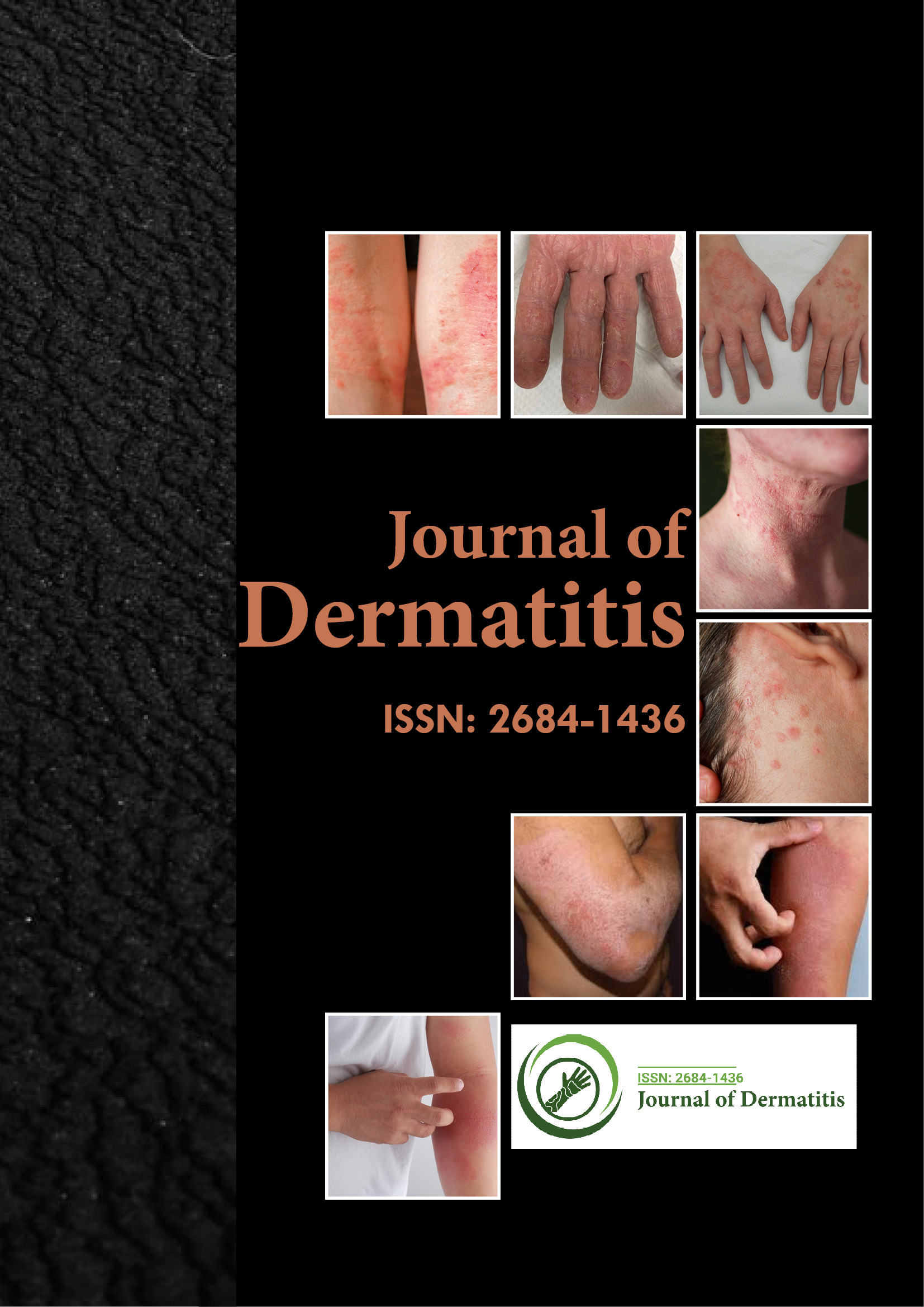
Journal Flyer
Open Access Journals
- Agri and Aquaculture
- Biochemistry
- Bioinformatics & Systems Biology
- Business & Management
- Chemistry
- Clinical Sciences
- Engineering
- Food & Nutrition
- General Science
- Genetics & Molecular Biology
- Immunology & Microbiology
- Medical Sciences
- Neuroscience & Psychology
- Nursing & Health Care
- Pharmaceutical Sciences
Opinion - (2026) Volume 11, Issue 1
Clothing as a Barrier: Practical Approaches to Skin Protection
Abida Mobarak*Received: 17-Feb-2026, Manuscript No. JOD-26-31533; Editor assigned: 19-Feb-2026, Pre QC No. JOD-26-31533; Reviewed: 05-Mar-2026, QC No. JOD-26-31533; Revised: 12-Mar-2026, Manuscript No. JOD-26-31533; Published: 19-Mar-2026, DOI: 11.35248/2684-1436.26.11.308
Abstract
Description
Clothing serves a role far beyond aesthetics, acting as a constant interface between the human body and the surrounding environment. In many situations, especially where the skin is prone to irritation or exposure to harmful agents, protective garments function as a reliable defence that reduces direct contact with irritants, allergens, and physical stressors. The thoughtful selection and consistent use of such clothing can significantly influence skin condition, particularly for individuals dealing with recurring irritation or inflammation.
Skin is continuously exposed to environmental elements such as dust, chemicals, temperature fluctuations, and biological agents. When this exposure becomes excessive or repeated, it can trigger inflammatory reactions that compromise comfort and function. Protective clothing reduces the frequency and intensity of these exposures by forming a physical shield. This barrier effect is especially important in workplaces involving chemicals, healthcare environments, agricultural settings, and even domestic tasks that involve cleaning agents or prolonged moisture contact.
The effectiveness of protective garments depends on several factors, including fabric type, fit, and maintenance. Natural fiber such as cotton are often preferred for their breathability and softness, which reduce friction and moisture retention on the skin. Synthetic materials, while sometimes less breathable, can offer enhanced resistance to liquids and chemicals when specifically designed for that purpose. Blended fabrics aim to combine these advantages, offering both comfort and functional resistance.
Maintenance of protective clothing is often overlooked but remains a key aspect of its effectiveness. Garments that are not properly cleaned can accumulate residues such as detergents, chemicals, or biological contaminants, which may themselves act as irritants. Using mild, fragrance-free cleaning agents and ensuring thorough rinsing can help maintain the integrity of both the fabric and the skin. Regular inspection for wear and tear is also necessary, as damaged clothing may lose its protective properties.
In occupational settings, the use of protective clothing is often guided by safety protocols. Workers in industries such as manufacturing, healthcare, and agriculture rely on gloves, aprons, coveralls, and specialized uniforms to minimize direct exposure to harmful substances. For instance, gloves made from nitrile or latex can prevent contact with irritants, while long-sleeved garments provide coverage against splashes or airborne particles. In such environments, adherence to protective measures not only supports individual well-being but also contributes to overall workplace safety.
Beyond occupational use, protective clothing plays an important role in daily life. Individuals with sensitive skin or conditions characterized by irritation may benefit from wearing garments that reduce friction and limit exposure to triggers. Soft, seamless clothing can minimize mechanical irritation, while layering can provide additional defence against environmental changes such as cold weather or low humidity. Even simple practices, such as wearing gloves during cleaning or gardening, can make a noticeable difference in maintaining skin comfort.
Climate also influences the choice of protective clothing. In warmer regions, lightweight and breathable fabrics are preferred to prevent excessive sweating, which can lead to discomfort and irritation. In cooler climates, layered clothing helps maintain skin hydration by reducing exposure to dry air. Understanding the interaction between clothing and environmental conditions allows individuals to adapt their choices for better skin care outcomes.
Another aspect worth considering is the psychological comfort associated with protective clothing. Feeling shielded from potential irritants can reduce anxiety related to skin flare-ups, allowing individuals to engage more confidently in daily activities. This sense of control can have a positive effect on overall well-being, reinforcing the importance of consistent protective practices.
Advancements in textile development have introduced fabrics with enhanced properties such as moisture-wicking, antimicrobial effects, and improved durability. These innovations expand the options available for protective clothing, making it possible to address specific needs more effectively. While such materials may not be accessible to everyone, they demonstrate the evolving understanding of how clothing can contribute to skin health.
In summary, protective clothing represents a simple yet impactful approach to reducing skin exposure to harmful elements. Through careful selection, proper fit, and consistent maintenance, garments can serve as a dependable barrier that supports skin health in both professional and personal contexts. By integrating these practices into daily routines, individuals can reduce the likelihood of irritation and maintain a higher level of comfort in their interactions with the environment.
Citation: Mobarak A (2026). Clothing as a Barrier: Practical Approaches to Skin Protection. J Dermatitis. 11:308
Copyright: © 2026 Mobarak A. This is an open-access article distributed under the terms of the Creative Commons Attribution License, which permits unrestricted use, distribution, and reproduction in any medium, provided the original author and source are credited