
Indexed In
- Open J Gate
- Academic Keys
- ResearchBible
- China National Knowledge Infrastructure (CNKI)
- Centre for Agriculture and Biosciences International (CABI)
- RefSeek
- Hamdard University
- EBSCO A-Z
- OCLC- WorldCat
- CABI full text
- Publons
- Geneva Foundation for Medical Education and Research
- Google Scholar
Useful Links
Share This Page
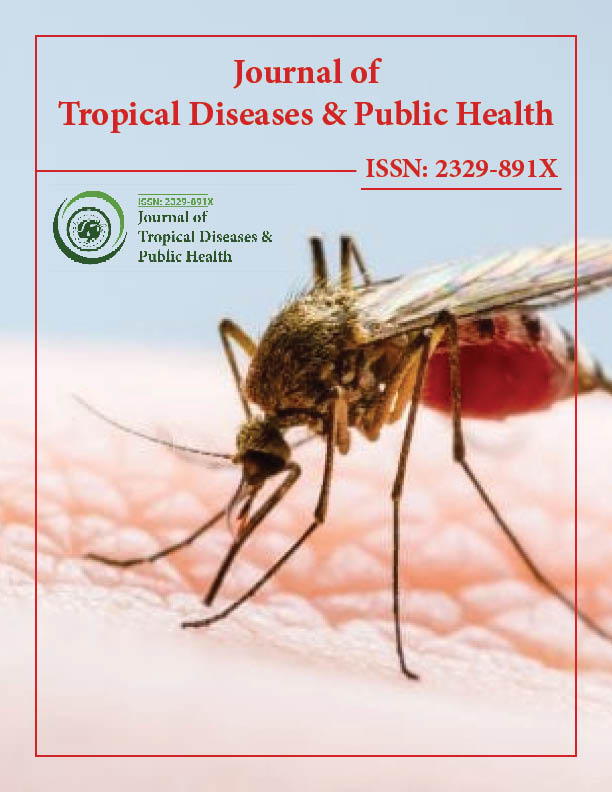
Journal Flyer
Open Access Journals
- Agri and Aquaculture
- Biochemistry
- Bioinformatics & Systems Biology
- Business & Management
- Chemistry
- Clinical Sciences
- Engineering
- Food & Nutrition
- General Science
- Genetics & Molecular Biology
- Immunology & Microbiology
- Medical Sciences
- Neuroscience & Psychology
- Nursing & Health Care
- Pharmaceutical Sciences
Commentary - (2026) Volume 15, Issue 1
Clinical Features, Management, and Epidemiological Insights of Kawasaki Disease in Children
Thomas Weber*Received: 10-Feb-2026, Manuscript No. JTD-26-31380; Editor assigned: 12-Feb-2026, Pre QC No. JTD-26-31380; Reviewed: 26-Feb-2026, QC No. JTD-26-31380; Revised: 05-Mar-2026, Manuscript No. JTD-26-31380; Published: 10-Mar-2026, DOI: 10.35241/2329-891X.26.15.509
Description
Kawasaki disease is an acute inflammatory illness that primarily affects infants and young children. It is characterized by inflammation of blood vessels throughout the body, with particular concern for the coronary arteries supplying the heart. The condition was first described in the 1960s and has since been recognized across many regions of the world. Although the exact origin remains uncertain, current understanding suggests that it arises from an abnormal immune reaction in genetically predisposed children after exposure to certain infectious or environmental triggers. The clinical course of Kawasaki disease typically unfolds in stages. The initial phase is marked by persistent high fever lasting at least five days, often accompanied by irritability and general signs of illness. As the condition progresses, additional features may appear, including redness of the eyes without discharge, swelling and redness of the lips, strawberry-like appearance of the tongue, and inflammation of the oral cavity. Changes in the extremities such as swelling of hands and feet, followed by peeling of the skin, are also commonly observed. A rash may develop across the trunk and limbs, varying in appearance among patients. Swollen lymph nodes, particularly in the neck region, are also frequently present, although not always.
One of the major concerns in Kawasaki disease is its effect on the cardiovascular system. The inflammation of blood vessels can weaken the walls of coronary arteries, potentially leading to dilation or abnormal bulging. These vascular changes may affect blood flow to the heart muscle, increasing the risk of complications. Without timely recognition and treatment, longterm cardiac issues may develop, which can persist into adolescence or adulthood. However, early medical intervention greatly reduces the likelihood of severe cardiovascular involvement.
Diagnosis of Kawasaki disease relies primarily on clinical assessment. There is no single laboratory test that confirms the condition. Instead, healthcare providers evaluate a combination of symptoms, physical signs, and supportive laboratory findings such as elevated inflammatory markers. Blood tests may show increased white blood cell counts, anemia, and elevated levels of proteins associated with inflammation. Imaging techniques, particularly echocardiography, are used to assess the condition of coronary arteries and monitor any structural changes in the heart. Repeated evaluations are often necessary to track disease progression and recovery. Treatment is aimed at reducing inflammation and protecting the heart. Intravenous immunoglobulin therapy is commonly used and has been shown to reduce the risk of coronary artery complications when given early in the course of the illness. Aspirin is also administered in different phases of treatment to help control inflammation and reduce the likelihood of blood clot formation. The response to treatment is usually favorable when therapy is initiated promptly, with most children showing improvement in symptoms and normalization of laboratory values.
Despite advancements in clinical management, the cause of Kawasaki disease remains unclear. Several hypotheses suggest involvement of infectious agents such as viruses or bacteria that trigger an exaggerated immune response in susceptible individuals. Environmental factors, including seasonal variations, have also been observed, with increased case numbers reported during certain times of the year in different regions. Genetic predisposition appears to play a role, as higher incidence rates are noted among children of East Asian descent, particularly in Japan, South Korea, and Taiwan.
Conclusion
Kawasaki disease is a pediatric inflammatory condition with significant effects on the cardiovascular system if not managed promptly. Research into Kawasaki disease continues to focus on identifying its origin and improving treatment strategies. Studies exploring immune system behavior, genetic factors, and environmental influences are ongoing. Advances in cardiac imaging have improved the ability to detect early vascular changes, allowing for closer monitoring of affected children. Continued investigation is expected to provide deeper understanding of disease mechanisms and support the development of improved management approaches. Early intervention remains central to improving outcomes, and continued research and awareness efforts are important for advancing understanding and care of this condition.
Citation: Weber T (2026) Clinical Features, Management, and Epidemiological Insights of Kawasaki Disease in Children. J Trop Dis. 15:509.
Copyright: © 2026 Weber T. This is an open-access article distributed under the terms of the Creative Commons Attribution License, which permits unrestricted use, distribution and reproduction in any medium, provided the original author and source are credited.