
Indexed In
- RefSeek
- Hamdard University
- EBSCO A-Z
- Euro Pub
- Google Scholar
Useful Links
Share This Page
Journal Flyer
Open Access Journals
- Agri and Aquaculture
- Biochemistry
- Bioinformatics & Systems Biology
- Business & Management
- Chemistry
- Clinical Sciences
- Engineering
- Food & Nutrition
- General Science
- Genetics & Molecular Biology
- Immunology & Microbiology
- Medical Sciences
- Neuroscience & Psychology
- Nursing & Health Care
- Pharmaceutical Sciences
Case Study - (2026) Volume 11, Issue 1
Case Study Exploring the Utility of a Novel Predictive Glucose Alerting Application for Young Adults Living with Type 1 Diabetes
Hari Venugopalan1, Samuel T. King1, Salvador Lopez2, Jun Min Kim1, Grace Cheng1, Tim Stewart1, Sriram Magesh1, Brendan Leung1 and Stephanie S. Crossen2*2Department of Pediatrics, University of California Davis School of Medicine, Sacramento, United States of America
Received: 13-Mar-2026, Manuscript No. DCRS-26-31083; Editor assigned: 16-Mar-2026, Pre QC No. DCRS-26-31083; Reviewed: 30-Mar-2026, QC No. DCRS-26-31083; Revised: 06-Apr-2026, Manuscript No. DCRS-26-31083; Published: 13-Apr-2026, DOI: 10.35841/2572-5629.26.11.277
Abstract
Aim: Continuous Glucose Monitoring (CGM) devices are now widely used among People with Type 1 Diabetes (PwT1D). However, the utility of these devices has not been specifically optimized for Adolescents and Young Adults (AYAs), whose engagement with diabetes technology often hinges on its ability to facilitate non-diabetes-related life goals. Our aim was to explore how a novel application providing predictive alerting for hypo-and hyperglycemia could improve the day-to-day experience of young adults living with T1D and using CGM. Method: We conducted a qualitative case study to better understand users’ experience with our novel predictive CGM alerting application "BeaGL" among a cohort of six young adults over five months. Feedback was solicited via weekly surveys and monthly interviews, which were analyzed thematically. Multiple changes were made to the application based on participant input. Results: Predictive glucose alerting was well-received and found to add value among young adult users. Qualitative feedback from participants emphasized the importance of reliability and customizability within the application, which were associated with perceived benefits of improved convenience and reduced cognitive burden related to their T1D self-management. BeaGL was adapted in several ways, in particular to provide customization of glucose thresholds and alert frequencies, which participants found valuable. Conclusion: Young adult PwT1D using CGM devices reported high utility of customizable predictive glucose alerting. Future research should explore the benefits of adding customizable predictive CGM alerting to existing diabetes technology, particularly among AYA PwT1D, and evaluate both glycemic outcomes and quality of life via a larger, randomized trial.
Keywords
Type 1 diabetes mellitus; Continuous glucose monitoring; Young adults; Digital health; Software design
Introduction
Adoption of Continuous Glucose Monitoring (CGM) devices among People with Type 1 Diabetes (PwT1D) has increased dramatically over the last decade [1]. Due to convincing evidence of its ability to improve glycemic outcomes, CGM initiation is now recommended even at the time of T1D diagnosis by both the International Society for Pediatric and Adolescent Diabetes and the American Diabetes Association [2-4]. Despite these advances, Adolescents and Young Adults (AYAs) with Type 1 Diabetes (T1D) continue to have worse glycemic outcomes than any other age group [1,2,5]. Studies that focus on diabetes-related satisfaction and goals reveal that AYAs tend to prioritize their immediate psychosocial functioning and the need to minimize diabetes-related self-care burden above long-term glycemic outcomes, and this often drives decisions about diabetes technology use [6,7]. Given this mindset as well as the many competing demands at this time of life, AYAs could particularly benefit from the customization of CGM alerting to minimize burden and optimize the timing and effectiveness of interventions for diabetes self-management.
CGM alerting can be divided into (1) threshold-based alerts and (2) predictive alerts. Threshold-based alerts notify individuals once their glucose readings have crossed user-defined glucose thresholds (e.g., >250 mg/dl or <70 mg/dl). The reactive nature of these alerts results in individuals having limited agency in managing diabetes [8]. For example, an individual may already be experiencing symptoms of hypoglycemia by the time they receive an alert and they also have limited time to act in order to reverse their current glucose trend.
Predictive alerts have the potential to provide users with more agency by alerting individuals based on predicted future glucose readings. Researchers have explored a wide range of techniques for predictive alerting, including those based on mathematical models of human physiology, as well as machine learning [9-17]. However, despite the importance of the role of the individuals themselves in managing diabetes, past research has not focused on human factors such as how individuals perceive alerts and respond to them. Existing techniques have primarily been evaluated in simulation or by retroactively considering the past data of individuals with T1D.
Evaluating human factors is crucial for predictive alerts since mispredictions can erode an individual’s trust and discourage them from acting on future alerts [18]. Mispredictions or poorly configured alerts can also lead to alarm fatigue and reduce the likelihood that an individual will respond to an alert [19]. Such difficulties impact the mental health of individuals, which in turn affects their diabetes management [20]. Building alerting mechanisms that engender trust among individuals along with agency is essential for effective T1D management and may be particularly crucial for improving self-management among AYAs living with T1D.
In light of this necessity, we created a novel iOS application "BeaGL" to enable predictive CGM alerting and then evaluated and adapted it via an iterative, user-centered co-design process with six young adult PwT1D who were already using CGM technology. Our aim was to explore what features within the application would promote its acceptability and utility for young adults and what benefits they perceived for this application above and beyond their baseline CGM systems and alerts.
Methods
BeaGL development
We developed BeaGL as an iOS application using the Swift programming language. BeaGL predominantly runs on an iPhone but also has a component on an Apple watch for added convenience. Communication between the phone and watch components happens over Bluetooth, the standard medium provided by iOS. BeaGL receives glucose data from the user’s CGM device every 5 minutes and uses linear regression to predict if an individual’s glucose level could become dangerously high or low in the next 15 minutes. Specifically, BeaGL fits a straight line to the past 30 minutes of glucose values from CGM readings and extrapolates this to predict the glucose value after the next 15 minutes.
Glucose predictions are available continuously in the BeaGL application and alerts in the form of push notifications are sent to the user if their glucose level is predicted to reach designated thresholds (e.g., <70 mg/dl or >250 mg/dl) in the next 15 minutes. The application initially relied on cloud relay for CGM data access and predictive notifications, but was adapted to run on the device itself with direct Bluetooth CGM connectivity, based on participant feedback (see Results and Table 1). In addition, hypo- and hyperglycemic thresholds for predictive alerting were initially hard-wired at <70 mg/dl and >250 mg/dl, but later adapted to enable customization by users (see Figure 1, Results and Table 1). Screenshots of BeaGL are shown in Figure 1.
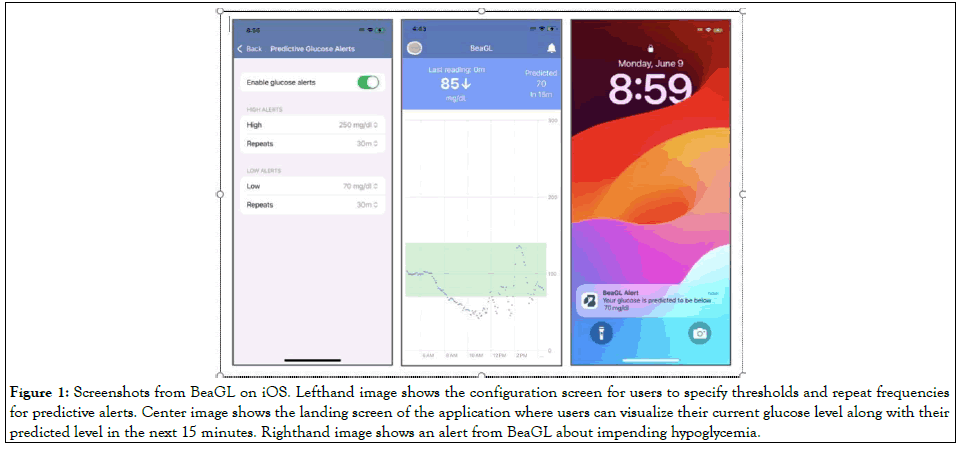
Figure 1: Screenshots from BeaGL on iOS. Lefthand image shows the configuration screen for users to specify thresholds and repeat frequencies for predictive alerts. Center image shows the landing screen of the application where users can visualize their current glucose level along with their predicted level in the next 15 minutes. Righthand image shows an alert from BeaGL about impending hypoglycemia.
Case study
We conducted a 5-month multiple case study among 6 young adults who used BeaGL to manage their T1D as they went about their daily lives [21,22]. This study was reviewed and approved by the UC Davis Institutional Review Board.
Enrollment: Inclusion criteria for participation in the study were: (1) age >18 years, (2) diagnosis of T1D for ≥ 1year duration (by self-report), (3) current use of a CGM device and (4) use of a smart phone that connected to the CGM. Non-English speakers were excluded from this pilot due to the early stage of application development, with alerts and nudges available in English only at this time; however, our team hopes to test and adapt the application in future with non-English speaking PwT1D as well. Study participants were recruited from T1D groups at local universities and underwent a standardized informed consent process.
At the time of study enrollment, participants completed a baseline survey about their T1D history, insulin regimen and device use, as well as their concerns and priorities related to T1D self-management, and provided baseline CGM data or 30-day summary metrics. They then underwent an initial study visit, at which the research team downloaded and configured BeaGL on their personal mobile devices, enabled data-sharing between their CGM devices and BeaGL and provided them with a smartwatch that could pair to their mobile device and was configured to receive alerts from BeaGL. They were also given CGM supplies (Dexcom G7 sensors or Dexcom G6 sensors+transmitters depending on which device they were using) at this time to prevent gaps in CGM data during the study.
Qualitative data collection and analysis: For the next five months, participants went about their daily lives and used BeaGL however they saw fit. Each week they were texted a brief survey to report on their experience with and feedback about the application, so that the research team could make user-guided modifications to BeaGL as needed. Survey questions were designed specifically for this project so were not studied or validated prior to use, and focused on whether participants found the BeaGL alerts to be actionable, helpful and appropriate in frequency; they also asked for unstructured feedback of any sort about the application.
At the end of each month, participants completed an interview with the research team (either in person or via Zoom) to give more detailed qualitative feedback about their experiences and to receive orientation from the research team about any new modifications to the application. Interviews lasted 30-45 minutes and completion of each interview was compensated with a $50 gift card. Participant responses were recorded by research staff for later analysis.
Transcripts of monthly interviews were coded by two members of the research team Hari Venugopalan H.V and Stephanie S. Crossen S.C (H.V. and S.C.) using a combination of categorical aggregation and direct interpretation to identify meaningful instances [23]. Case themes were developed by synthesizing instances across surveys and interviews, and analysis was conducted both within-person and cross- case, comparing themes and ideas across participants and across time {23}. Results were shared with the broader research team and representative quotes were identified for each of the final themes.
Safety monitoring: Participants in the case study were monitored for safety in several ways. Although the BeaGL application cannot directly cause harm, it has the potential to increase mental stress and/ or to worsen self-monitoring of glucose trends if not functioning as intended. Therefore, weekly surveys included a question about whether the participant had experienced any negative mental health changes in the prior week and whether they had experienced any serious diabetes-related health events, defined to include diabetes ketoacidosis, severe hypoglycemia requiring glucagon or assistance from another person, seizure, hospitalization or emergency department visit. A positive response to either of these questions resulted in outreach from the principal investigator to determine if these mental health changes or diabetes events were related to the BeaGL application and also if any urgent medical or mental health care was needed. Finally, the research team pulled CGM data for each participant on a monthly basis, and CGM metrics while using BeaGL were compared to baseline (30 days prior to participation) to evaluate for any worsening in % time spent <70 mg/dl or >250 mg/dl and specifically for any participants with >5% time spent <70 mg/dl or >25% time spent >250 mg/dl during their participation.
Results
Study population
Our participants ranged in age from 20-27 years (median 22 years), with T1D duration of 1-14 years (median 10.5 years). Baseline Glucose Management Indicator (GMI) for participants ranged from 6.3 to 8.0% (median 7.4%) and baseline time in range (70-180 mg/dl) ranged 49% to 92% (median 62.5%). All were using Dexcom CGM devices connected to iOS mobile devices for glucose monitoring. Two were following Multiple Daily Injection (MDI) insulin regimens using insulin pens; two were using the Tandem t:slim X2 insulin pump with the Control IQ Automated Insulin Delivery (AID) system; and two were using the OmniPod 5 AID system. In our baseline survey, 5 of 6 participants reported using low threshold alerts and 3 of 6 reported using high threshold alerts on their CGM devices. Participants reported varying levels of satisfaction and concern related to T1D self-management at baseline as shown in Figure 2.
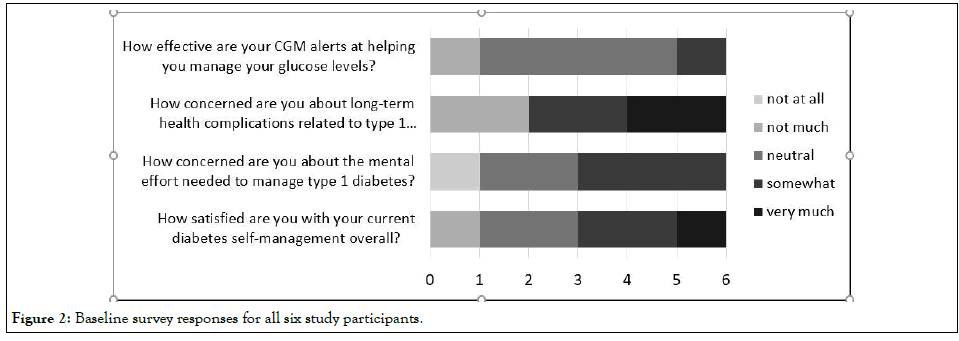
Figure 2: Baseline survey responses for all six study participants.
User feedback
As shown in Figure 3, responses to weekly surveys demonstrate that participants perceived BeaGL as effective. Overall 82 out of 119 weekly responses (69%) rated the alerts as “effective” or “very effective” at helping them manage glucose levels. Participants also reported that they “often” or “always” responded to BeaGL alerts on 89 of 119 responses (75%) and on 84 of 119 surveys (71%) indicated that the frequency of BeaGL alerts was “just right” .
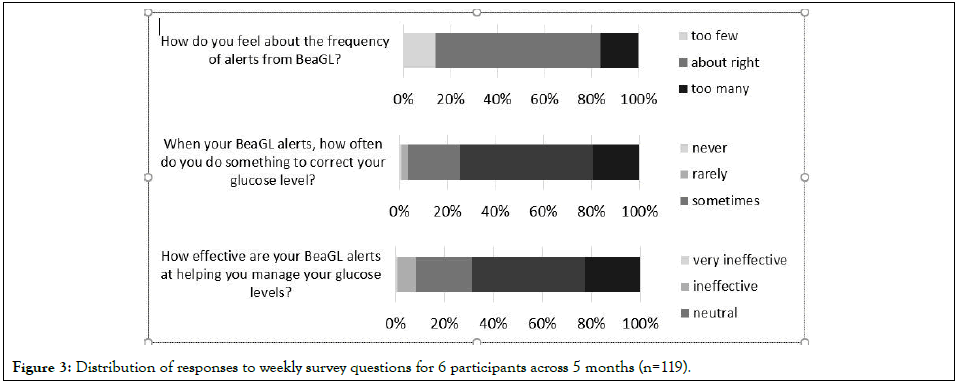
Figure 3: Distribution of responses to weekly survey questions for 6 participants across 5 months (n=119).
Free-text feedback on weekly surveys and structured feedback during monthly interviews provided more in-depth information about BeaGL’s utility and perceived benefits for this young adult population. Our analysis of this qualitative data yielded four key themes, which were the importance of (1) customizability, (2) reliability, (3) convenience and (4) reduced mental burden. Interview quotes that illustrate each of these themes are shown in Table 1, alongside the relevant BeaGL features and adaptations.
Table 1:
| Theme | Illustrative quote(s) | Related BeaGL features / adaptations |
|---|---|---|
| Customizability | “I have been receiving too many alerts and that has caused some fatigue… Ideally, I do not want to be alerted more than once in a 15-30 minute window.” | Adapted to allow users to specify custom thresholds for impending hypoglycemia and hyperglycemia (initially hardcoded for 70 mg/dl and 250 mg/dl, respectively). |
| “I want to have the option to adjust the thresholds for hyperglycemia.” | ||
| “After customizing the repeat frequency, I do not have to think about going low or high and I don’t get overwhelmed with alerts either.” | ||
| “Being able to set the time between alerts has reduced annoyance and fatigue. I prefer to configure settings within the app instead of altering my phone settings.” | Adapted to allow users to configure settings for alert reminders as opposed to algorithmically calculating them. | |
| “I have adjusted the alert frequency to 30 minutes because I don’t want to be reminded about a correction that is yet to take effect.” | ||
| “Changing the low alerts threshold to 80 (mg/dl) and the high alerts frequency to 30 minutes has given me more leeway. This frequency is the right level of annoyance that I take notice without being disturbed.” | ||
| Reliability | “I did not have cell service on my phone while I was out canoeing with my friends. I think this affected the (BeaGL) app, since I did not receive any alerts.” | Added Bluetooth connection with CGM to improve connectivity when Wi-FI is not available. |
| “When I first got the app, I would intentionally wait for 15 minutes to see if the alerts were accurate. Once I saw my CGM readings line up with the (BeaGL app’s) predictions, I started to trust them.” | Adapted to automatically detect CGM disconnection and attempt reconnection. | |
| “At the start, I used to wait to see if the trend aligned with the predictions. I rarely check my readings now and trust that BeaGL will let me know if I need to correct something.” | Adapted to automatically clear out stale alert notifications once glucose readings stabilize and to update current notification to reflect the most recent glucose reading and prediction. | |
| “I don’t pause to check my readings anymore because my faith in the system has grown over time.” | ||
| “BeaGL alerts me before I intuitively think to correct.” | ||
| Convenience | “I like that the alerts are not urgent and that they give me time to adjust. This has helped me a lot with my research schedule.” | Used predictive model (linear regression) to preemptively alert users 15 minutes in advance of anticipated hypo- or hyperglycemia. |
| “While hiking Mount Konocti, I was able to hike without having to have my phone on my body. I just used the watch to look out for lows.” | ||
| “With Dexcom alerts, I had conditioned myself to be ready to correct immediately on receiving an alert and stop what I’m currently doing to respond. With BeaGL, I don't have to do this since it gives me time to respond.” | ||
| “When working on experiments, I typically spend around 30 to 45 minutes under the hood. The 15-minute lead time (from BeaGL alerts) lets me confidently wrap up my experiment, step out of the hood and pop in a glucose tablet for correction.” | Integrated BeaGL with smartwatch for notifications. | |
| “The watch has helped mostly during exercise. I don’t have to take out my phone and simply look at the watch to know my CGM readings.” | Imported workout data (heart rate, calories burned etc.) from Apple HealthKit into the BeaGL watch app so that all health metrics (including CGM readings and predictions) could be viewed simultaneously during exercise. | |
| “I was once at a lab where phones were not allowed. But I received alerts on my watch which helped me respond to lows.” | ||
| “I think the 15-minute lead time makes the biggest difference with BeaGL when compared to Dexcom.” | ||
| Reduced mental load | “My mental load has gone down after I grew to trust BeaGL’s alerts. I have also updated my closed loop system to follow the settings I use with BeaGL.” | Adapted notification language to be more person-centered. |
| “I think of BeaGL alerts as a safety net to let me know when things have gone wrong…I used to constantly run mental calculations to anticipate when things might go wrong.” | ||
| “Can you update the alert notification message to say ‘Your glucose concentration is going high instead of saying that you are going high?’. I want to separate myself from my glucose reading.” | Adapted notification icon/image from a biohazard symbol to a dog icon to make it less anxiety-provoking. | |
| “BeaGL saves me from having to think ahead and anticipate.” | ||
| “Dexcom’s alerts would instill paranoia in terms of what would happen if I responded after a few minutes.” | Created discreet notifications on mobile phone and smartwatch to be minimally disruptive. | |
| “Dexcom’s alerts are disruptive. They open up unwanted conversations when they go off in class.” |
Table 1: Qualitative themes reported by BeaGL users.
The importance of customizability became apparent within the first month of our case study. Participants immediately commented on the desire to customize their BeaGL settings, including the ability to decide what thresholds for hypo- and hyperglycemia should be used for predictive alerting and at what frequency they would receive repeat notifications. We therefore adapted BeaGL to allow these customizations. Subsequently, participants chose a wide variety of hyperglycemia thresholds (as low as 180 mg/dl for one participant and as high as 400 mg/dl for another). Most continued to use 70 mg/dl as their hypoglycemia threshold, with some increasing it to 80 mg/dl. Only one out of the six participants continued to use our initial thresholds for both hypo and hyperglycemia. After allowing customization of glucose thresholds and reminder frequencies, participants reported that the BeaGL alerts were more useful to them and less disruptive. Some participants suggested additional customizations later in the study such as adding specific “sleep” or “do not disturb” modes with different profile settings, although these were not universally endorsed.
The importance of reliability also became apparent within the first month of the study. Multiple participants reported that they did not trust the BeaGL alerts at first, but after observing their consistency and accuracy, they began to use them with more confidence. They also commented on how this reliability and the trust it created were prerequisite to achieving greater convenience and reduced cognitive burden through BeaGL. Specific feedback about reliability issues prompted several adaptations to BeaGL during the first month of the case study. Initially, BeaGL relied on the cloud to communicate with CGMs; this resulted in participants not receiving alerts when they did not have cell service or WiFi, with one participant reporting that they did not receive alerts while they were out canoeing. Accordingly, we updated BeaGL to use Bluetooth communication with CGMs and incorporated a mechanism to detect CGM disconnects and automatically attempt reconnection. Furthermore, BeaGL initially displayed old notifications as well as the most recent notification, with the user able to clear out old notifications as desired. However, participants expressed that viewing old notifications caused confusion, so we updated BeaGL to automatically clear out stale notifications and to update the current notification dynamically to display the most recent glucose data and prediction for that individual. Participants reported that these adaptations improved the reliability of the system.
Participants commented throughout the study on the convenience that BeaGL’s predictive alerting enabled for them, beyond what they experienced with their baseline CGM alerts. Specifically, they described how university activities (e.g., attending classes, participating in discussions, doing lab work) often made it difficult for them to immediately act on glucose alerts and how being in a hypo-or hyperglycemic state also affected their ability to take action. The 15-minute lead time provided by BeaGL’s predictive alerts was perceived as very helpful for enabling them to manage their glucose levels effectively in an adaptable time frame. The fact that BeaGL alerts relayed to the smartwatch and could be viewed without accessing or unlocking a phone was also perceived as highly convenient, in particular during physical activity or in classroom or work settings where phones were not permissible. In addition, multiple participants requested the ability to view BeaGL’s glucose predictions alongside standard workout metrics (such as heart rate) on the smartwatch while exercising. We responded by adapting BeaGL to import workout data from Apple HealthKit so these metrics were visible within BeaGL along with CGM readings and glucose predictions.
Closely related to convenience, participants emphasized throughout the study the impact of BeaGL’s predictive alerting in reducing their mental burden related to diabetes care. Many stated that without BeaGL they were checking their CGM data frequently and making mental predictions about their glucose trends, but BeaGL allowed them to offload these tasks. They also commented on the anxiety associated with threshold glucose alerts (when they were already hypo-or hyper-glycemic) and that BeaGL’s predictive alerts reduced this worry and urgency by giving them a larger time buffer within which to act. The fact that BeaGL’s alerts were less urgent and less disruptive than traditional CGM alerts also led to lower stress for them in social, classroom and work settings. Two BeaGL adaptations made during the case study were expressly recommended by users in order to further reduce mental burden. Initially, BeaGL used a biohazard symbol as the icon for alert notifications in order to capture the attention of users. However, participants expressed that this symbol made them more anxious about their diabetes, so we changed it to a dog icon shown in Figure 1, which was better received. Second, participants advised us to change the language in BeaGL alert messages so as not to equate individuals with their glucose levels, e.g., “Your glucose is expected to go below 70 mg/dl” instead of “You are expected to go below 70 mg/dl”.
Safety
Participants indicated a negative change in mental health from the prior week on 5 out of 119 weekly surveys completed. Further information in each instance revealed a cause or causes unrelated to BeaGL (e.g., viral illness, stress about schoolwork or life circumstances, CGM sensor failure) and did not require urgent medical or mental health care. Participants reported zero serious diabetes-related health events throughout the case study. Review of CGM data showed that two participants experienced >5% time spent <70 mg/dl during any month of the study. One participant experienced this in a single month with fewer than 2 weeks of available CGM data (10.1% hypoglycemia over 12 days), with <3% time spent in hypoglycemia for all other months. The other participant had >5% time <70 mg/dl at baseline as well as during two months of the study and overall their time spent <70mg/dl was lower during the 5-month study (3.96%) than during the month prior to study participation (5.24%). No participants experienced >25% time spent >250 mg/dl during any month of the study. Monthly CGM metrics across our study population for the month prior to and five months during our case study can be viewed in Supplemental Table 1.
Discussion
Adolescents and Young Adults (AYAs) with T1D tend to experience worse glycemic outcomes than other age groups and have specific needs and priorities when it comes to diabetes self-management and engagement with diabetes technology. We conducted a 5-month, 6-person case study to gather qualitative feedback about the utility of a novel predictive glucose alerting application (BeaGL) among young adult PwT1D who were already using CGM. Our data revealed four themes related to the application’s perceived utility and benefits, which were customizability, reliability, convenience and reduced mental burden.
Our participants’ feedback about reliability, convenience and mental burden mirror findings in previous studies about diabetes technology use and preferences among both youth and adults [7,24]. However, the degree to which customizability of alert settings was desired by our young adult participants and the value they perceived in these customizable alerts beyond their baseline CGM alert functionality was novel and notable. Current alerting options on the Dexcom include customizable threshold alerts and rise- and fall-rate alerts, but its only predictive alerting (“urgent low soon”) remains fixed and not customizable [25]. Our participants reported greater convenience and reduced mental burden with BeaGL’s ability to customize predictive alert settings for both hypo and hyperglycemia (more analogous to options that are currently available with the Medtronic Guardian 4 CGM system) and cited many circumstances in which this customized predictive alerting significantly improved their daily self-management and related emotional stress [26,27]. This was reinforced by the fact that all six participants asked the research team whether they could have ongoing access to BeaGL after completion of the study.
Interestingly, our case study participants also suggested additional areas of customization. These included the ability to create different alert setting “profiles” for different activities or times of day and the ability to incorporate insulin on board into the predictive algorithms, more akin to an AID algorithm but used for glucose prediction instead of or in addition to automated insulin delivery. It is notable that four of the six participants were already using AID systems, but felt that this predictive functionality or information was not available to them for use in self-management decisions. In summary, this small case series of young adult PwT1D using CGM technology suggests that the ability to customize predictive glucose alerting and to make alerts available in a convenient and non-intrusive manner can significantly improve their experience of T1D self-management.
The limitations of this study stem primarily from its small sample size, which impacts the generalizability of our findings to any young adult PwT1D who do not resemble our cohort. It is important to note that our participants (all university students) had high baseline engagement with technology and with T1D self-management, as well as relatively low baseline GMI and high baseline time in range, although they utilized a variety of insulin management strategies including MDI insulin regimens and two different AID systems. As a multiple case study without a control or comparison group, this study was not designed to evaluate for glycemic changes related to BeaGL use, but rather to gather in-depth qualitative feedback about BeaGL’s utility from a distinct demographic group [28]. In addition, our study was not designed to isolate the effects of predictive alerting from the use of a smartwatch, which undoubtedly improved convenience for many users.
Conclusion
Future research should explore the effects of customizable, predictive glucose alerting like BeaGL in comparison to standard CGM alerting among a larger, diverse cohort over a longer time frame and evaluate validated Patient Reported Outcome Measures (PROMs) at several time points in addition to detailed CGM glycemic data. It would also be useful to evaluate the impact of a smartwatch on glycemic outcomes and PROMs among AYAs using CGM via a larger, randomized study, as any demonstrated impact would aid in decisions about whether smartwatches should be considered beneficial, prescribable medical technology for PwT1D.
This study adds to the current literature by illuminating the user experience of young adult PwT1D around CGM alerting and suggests that future research aiming to improve AYA use and benefit from diabetes technology could employ small software adaptations to existing diabetes devices.
Acknowledgements
This work was supported by a grant from CITRIS and the Banatao Institute at the University of California. We wish to acknowledge the Tidepool Big Data Donation Project, which provided data to help us with the initial development of the BeaGL application. We also wish to acknowledge Dexcom, who enabled us to purchase discounted CGM sensors to distribute to our participants in order to minimize data gaps during the study.
Conflicts of Interest
The authors report no conflicts of interest relevant to this project. Concurrent to this project, S.C. received research support from the U.S. National Institute of Diabetes and Digestive and Kidney Diseases (NIDDK) via grants K23DK125671 and 1R01DK135000. The content of this manuscript is solely the responsibility of the authors and does not necessarily represent the official views of the U.S. National Institutes of Health.
References
- Ebekozien O, Mungmode A, Sanchez J, Rompicherla S, Demeterco-Berggren C, Weinstock RS, et al. Longitudinal trends in glycemic outcomes and technology use for over 48,000 people with type 1 diabetes (2016–2022) from the T1D exchange quality improvement collaborative. Diabetes Technol Ther. 2023;25(11):765-773.
[Crossref] [Google Scholar] [Pubmed]
- Miller KM, Beck RW, Foster NC, Maahs DM, T1D Exchange. HbA1c levels in type 1 diabetes from early childhood to older adults: a deeper dive into the influence of technology and socioeconomic status on HbA1c in the T1D exchange clinic registry findings. Diabetes Technol Ther. 2020;22(9):645-650.
[Crossref] [Google Scholar] [Pubmed]
- Longitudinal trends in glycemic outcomes and technology use for over 48,000 people with type 1 diabetes (2016–2022) from the T1D exchange quality improvement collaborative
- Tauschmann M, Cardona-Hernandez R, DeSalvo DJ, Hood K, Laptev DN, Lindholm Olinder A, et al. International society for pediatric and adolescent diabetes clinical practice consensus guidelines 2024 diabetes technologies: Glucose monitoring. Horm Res Paediatr. 2025;97(6):615-635.
[Crossref] [Google Scholar] [Pubmed]
- Mathias P, Corathers SD, Carreon SA, Hilliard ME, Papadakis JL, Weissberg-Benchell J, et al. Young adults with type 1 diabetes. Endocrinol Metab Clin North Am. 2024;53(1):39-52.
[Crossref] [Google Scholar] [Pubmed]
- Wong JJ, Alamarie SA, Hanes SJ, Flores H, Ngo J, Schneider-Utaka AK, et al. Diabetes device satisfaction among adolescents living with type 1 diabetes and their parents. J Diabetes Sci Technol. 2024.
[Crossref] [Google Scholar] [Pubmed]
- Commissariat PV, Roethke LC, Finnegan JL, Guo Z, Volkening LK, Butler DA, et al. Youth and parent preferences for an ideal AP system: It is all about reducing burden. Pediatr Diabetes. 2021;22(7):1063-1070.
[Crossref] [Google Scholar] [Pubmed]
- Reifman J, Rajaraman S, Gribok A, Ward WK. Predictive monitoring for improved management of glucose levels. J Diabetes Sci Technol. 2007;1(4):478-486.
[Crossref] [Google Scholar] [Pubmed]
- Bergman RN, Phillips LS, Cobelli C. Physiologic evaluation of factors controlling glucose tolerance in man: measurement of insulin sensitivity and beta-cell glucose sensitivity from the response to intravenous glucose. J Clin Invest. 1981;68(6):1456-1467.
[Crossref] [Google Scholar] [Pubmed]
- Caumo A, Simeoni M, Cobelli C. Modeling Methodology for Physiology and Medicine. 2001.
- Makroglou A, Li J, Kuang Y. Mathematical models and software tools for the glucose-insulin regulatory system and diabetes: An overview. Appl numeri math. 2006;56(3-4):559-573.
- Dalla Man C, Rizza RA, Cobelli C. Meal simulation model of the glucose-insulin system IEEE Trans Biomed Eng. 2007;54(10):1740-1749.
[Crossref] [Google Scholar] [Pubmed]
- Eleni IG, Vasilios CP, Dimitrios IF. Glucose Prediction in Type 1 and Type 2 Diabetic Patients Using Data Driven Techniques. 2011.
- Sparacino G, Zanderigo F, Corazza S, Maran A, Facchinetti A, Cobelli C. Glucose concentration can be predicted ahead in time from continuous glucose monitoring sensor time-series. IEEE Trans Biomed Eng. 2007;54(5):931-937.
[Crossref] [Google Scholar] [Pubmed]
- Xie J, Wang Q. Benchmark Machine Learning Approaches with Classical Time Series Approaches on the Blood Glucose Level Prediction Challenge. 2018;97-102. [Crossref]
[Google Scholar] [Pubmed]
- Wang Q, Molenaar P, Harsh S, Freeman K, Xie J, Gold C, et al. Personalized state-space modeling of glucose dynamics for type 1 diabetes using continuously monitored glucose, insulin dose, and meal intake: An extended Kalman filter approach. Journal of diabetes science and technology. 2014;8(2):331-345.
[Crossref] [Google Scholar] [Pubmed]
- Mhaskar HN, Pereverzyev SV, Van der Walt MD. A deep learning approach to diabetic blood glucose prediction. Front Appl Math Stat. 2017;3:14.
- Barth CM, Bernard J, Huang EM. " It's like a glimpse into the future": Exploring the Role of Blood Glucose Prediction Technologies for Type 1 Diabetes Self-Management. InProceedings of the 2024 CHI Conf Hum Factor Comput Syst. 2024;1-21.
- Xu T, Jost E, Messer LH, Cook PF, Forlenza GP, Sankaranarayanan S, et al. “Obviously, Nothing's Gonna Happen in Five Minutes”: How Adolescents and Young Adults Infrastructure Resources to Learn Type 1 Diabetes Management. Proc SIGCHI Conf Hum Factor Comput Syst. 2024. 1-16.
[Crossref] [Google Scholar] [Pubmed]
- Van Duinkerken E, Snoek FJ, De Wit M. The cognitive and psychological effects of living with type 1 diabetes: A narrative review. Diabet Med. 2020;37(4):555-563.
[Crossref] [Google Scholar] [Pubmed]
- Stake RE. Multiple case study analysis. 2013.
- Yin RK. Case study research and applications: Design and methods. 2017.
- Stake RE. The art of case study research. 1995.
- Tanenbaum ML, Commissariat PV. Experience with burdens of diabetes device use that affect uptake and optimal use in people with type 1 diabetes. Endocr Connect. 2023;12(10).
[Crossref] [Google Scholar] [Pubmed]
- Puhr S, Derdzinski M, Welsh JB, Parker AS, Walker T, Price DA. Real-world hypoglycemia avoidance with a continuous glucose monitoring system's predictive low glucose alert. Diabetes Technol Ther. 2019;21(4):155-158.
[Crossref] [Google Scholar] [Pubmed]
- Pleus S, Eichenlaub M, Waldenmaier D, Freckmann G. A critical discussion of alert evaluations in the context of continuous glucose monitoring system performance. J Diabetes Sci Technol. 2024;18(4):847-856.
[Crossref] [Google Scholar] [Pubmed]
- Abraham SB, Arunachalam S, Zhong A, Agrawal P, Cohen O, McMahon CM. Improved real-world glycemic control with continuous glucose monitoring system predictive alerts. J Diabetes Sci Technol. 2021;15(1):91-97.
[Crossref] [Google Scholar] [Pubmed]
- Creswell JW, Poth CN. Qualitative inquiry and research design: Choosing among five approaches. 2016.
Citation: Crossen S. (2026). Case Study Exploring the Utility of a Novel Predictive Glucose Alerting Application for Young Adults Living with Type 1 Diabetes. Diabetes Case Rep. 11:277.
Copyright: © 2026 Crossen S. This is an open-access article distributed under the terms of the Creative Commons Attribution License, which permits unrestricted use, distribution and reproduction in any medium, provided the original author and source are credited.