
Indexed In
- Open J Gate
- Academic Keys
- ResearchBible
- China National Knowledge Infrastructure (CNKI)
- Centre for Agriculture and Biosciences International (CABI)
- RefSeek
- Hamdard University
- EBSCO A-Z
- OCLC- WorldCat
- CABI full text
- Publons
- Geneva Foundation for Medical Education and Research
- Google Scholar
Useful Links
Share This Page
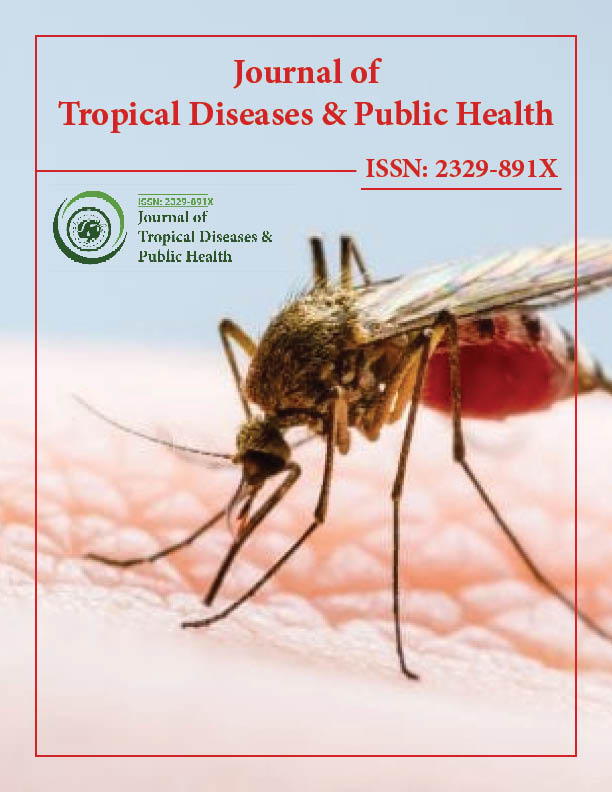
Journal Flyer
Open Access Journals
- Agri and Aquaculture
- Biochemistry
- Bioinformatics & Systems Biology
- Business & Management
- Chemistry
- Clinical Sciences
- Engineering
- Food & Nutrition
- General Science
- Genetics & Molecular Biology
- Immunology & Microbiology
- Medical Sciences
- Neuroscience & Psychology
- Nursing & Health Care
- Pharmaceutical Sciences
Commentary Article - (2025) Volume 14, Issue 4
Antimicrobial Resistance: A Growing Challenge in Global Health
Livia Mensah*Received: 10-Nov-2025, Manuscript No. JTD-26-31173; Editor assigned: 12-Nov-2025, Pre QC No. JTD-26-31173 (PQ); Reviewed: 26-Nov-2025, QC No. JTD-26-31173; Revised: 03-Dec-2025, Manuscript No. JTD-26-31173 (R); Published: 10-Dec-2025, DOI: 10.35241/2329-891X.25.14.493
Description
Antimicrobial resistance refers to the ability of microorganisms such as bacteria, viruses, fungi, and parasites to withstand the effects of medications that once effectively treated infections caused by them. This phenomenon has become a serious global health concern, threatening the effective prevention and treatment of a wide range of infectious diseases. As resistance spreads, common infections become harder to treat, leading to prolonged illness, increased healthcare costs, and higher mortality rates.
The development of antimicrobial resistance is a natural biological process accelerated by human activity. Microorganisms evolve over time, and exposure to antimicrobial agents creates selective pressure. When antibiotics are used, susceptible bacteria are eliminated, while those with resistant traits survive and multiply. These resistant strains can then spread between individuals, communities, and even across national borders. Misuse and overuse of antibiotics in both human medicine and agriculture significantly contribute to this problem.
In healthcare settings, antibiotics are sometimes prescribed unnecessarily for viral infections such as the common cold or influenza, against which they are ineffective. In other cases, patients may not complete the full course of prescribed medication, allowing partially resistant bacteria to survive and adapt. Inadequate infection control practices within hospitals can further facilitate the transmission of resistant organisms among vulnerable patients. These factors collectively increase the prevalence of drug-resistant infections.
Agricultural practices also play a substantial role. Antibiotics are frequently administered to livestock not only to treat illness but also to promote growth and prevent disease in crowded farming conditions. This widespread use encourages the emergence of resistant bacteria in animals, which can be transmitted to humans through direct contact, consumption of contaminated food, or environmental pathways such as water runoff.
The consequences of antimicrobial resistance are far-reaching. Infections that were once easily treatable may require more expensive or toxic medications. Some resistant infections leave clinicians with limited or no effective therapeutic options. Procedures that rely on effective antibiotics, including surgery, chemotherapy, and organ transplantation, become riskier when infection control is compromised. Resistant pathogens such as methicillin-resistant Staphylococcus aureus and multidrug-resistant tuberculosis illustrate the severity of the issue.
Economic impacts are also significant. Extended hospital stays, additional diagnostic tests, and more complex treatments increase healthcare expenditures. In low- and middle-income countries, limited access to second-line medications further complicates management. Productivity losses due to prolonged illness affect individuals and communities, adding to the societal burden.
Surveillance systems are essential in tracking patterns of resistance. Monitoring laboratory data allows health authorities to detect emerging resistant strains and adjust treatment guidelines accordingly. Accurate reporting supports informed decision-making and helps identify areas where intervention is most needed. International collaboration strengthens the ability to respond to resistance trends that cross borders.
Prevention strategies focus on responsible antibiotic use and infection control. Healthcare providers are encouraged to prescribe antimicrobials only when necessary and to select appropriate agents based on clinical evidence and laboratory results. Antimicrobial stewardship programs within hospitals promote careful evaluation of prescriptions, dose optimization, and duration management. These initiatives aim to preserve the effectiveness of existing medications.
Conclusion
Antimicrobial resistance represents a complex and escalating challenge that affects global health, economic stability, and medical practice. The inappropriate use of antibiotics in healthcare and agriculture accelerates the development and spread of resistant microorganisms. Through coordinated surveillance, responsible prescribing, infection prevention, and ongoing research, societies can mitigate its impact. Sustained commitment from healthcare professionals, policymakers, and the public remains essential to preserving the effectiveness of antimicrobial therapies for future generations. Global health organizations have recognized antimicrobial resistance as one of the most pressing public health threats of the twenty-first century. Coordinated action plans encourage countries to strengthen surveillance, improve infection prevention, and support research initiatives.
Citation: Mensah L (2025). Antimicrobial Resistance: A Growing Challenge in Global Health. J Trop Dis. 14:493.
Copyright: © 2025 Mensah L. This is an open-access article distributed under the terms of the Creative Commons Attribution License, which permits unrestricted use, distribution and reproduction in any medium, provided the original author and source are credited.