
Indexed In
- Open J Gate
- Academic Keys
- ResearchBible
- China National Knowledge Infrastructure (CNKI)
- Centre for Agriculture and Biosciences International (CABI)
- RefSeek
- Hamdard University
- EBSCO A-Z
- OCLC- WorldCat
- CABI full text
- Publons
- Geneva Foundation for Medical Education and Research
- Google Scholar
Useful Links
Share This Page
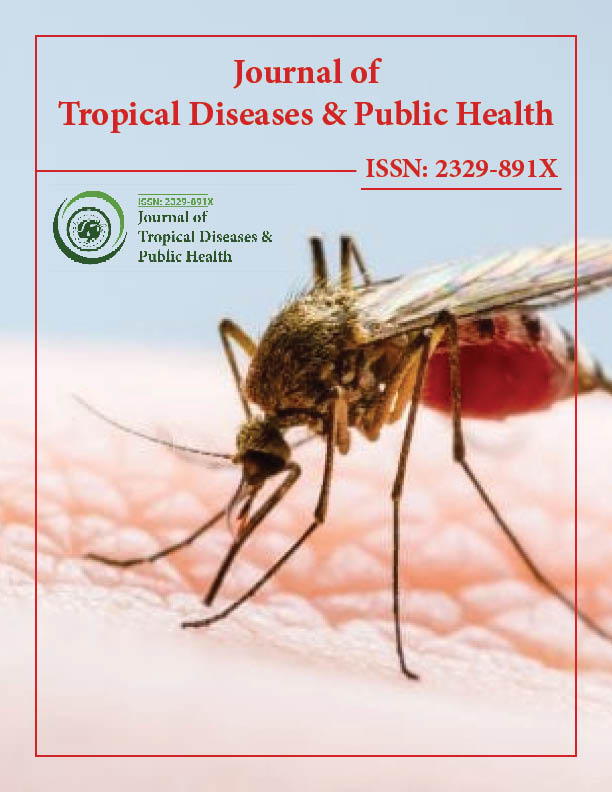
Journal Flyer
Open Access Journals
- Agri and Aquaculture
- Biochemistry
- Bioinformatics & Systems Biology
- Business & Management
- Chemistry
- Clinical Sciences
- Engineering
- Food & Nutrition
- General Science
- Genetics & Molecular Biology
- Immunology & Microbiology
- Medical Sciences
- Neuroscience & Psychology
- Nursing & Health Care
- Pharmaceutical Sciences
Perspective - (2026) Volume 15, Issue 1
Addressing the Dual Burden of TB-HIV Coinfection in Global Health
Miriam Okafor*Received: 10-Feb-2026, Manuscript No. JTD-26-31376; Editor assigned: 12-Feb-2026, Pre QC No. JTD-26-31376; Reviewed: 26-Feb-2026, QC No. JTD-26-31376; Revised: 05-Feb-2026, Manuscript No. JTD-26-31376; Published: 10-Feb-2026, DOI: 10.35241/2329-891X.26.15.505
Description
Tuberculosis and human immunodeficiency virus infection represent two major public health concerns that often intersect, creating a serious combined condition known as Tuberculosis-Human Immunodeficiency Virus (TB-HIV) coinfection. This dual infection poses significant challenges for patients, healthcare providers and public health systems due to its complex clinical management and increased risk of severe outcomes. Tuberculosis is caused by the bacterium Mycobacterium tuberculosis, primarily affecting the lungs, while Human Immunodeficiency Virus (HIV) attacks the immune system, weakening the body’s ability to fight infections. When these two diseases occur together, their effects intensify, leading to more rapid disease progression and higher mortality rates if not properly treated.
The relationship between tuberculosis and HIV is closely linked to the immune system. In individuals with a healthy immune response, tuberculosis bacteria may remain inactive for years without causing illness. However, HIV reduces the number of CD4 cells, which play an essential role in defending the body against infections. As a result, individuals living with HIV are much more likely to develop active tuberculosis. In fact, tuberculosis is one of the most common opportunistic infections among people with HIV and remains a leading cause of death in this population worldwide.
Transmission of tuberculosis occurs through airborne particles when an infected person coughs, sneezes or speaks. In crowded or poorly ventilated environments, the risk of transmission increases significantly. HIV, on the other hand, is transmitted through contact with infected bodily fluids such as blood, semen and breast milk. The overlap of these diseases is particularly evident in regions with high HIV prevalence, where tuberculosis spreads more easily among immunocompromised individuals. Socioeconomic factors such as poverty, limited access to healthcare and inadequate living conditions further contribute to the spread and impact of TB-HIV coinfection.
Diagnosing TB-HIV coinfection can be challenging due to overlapping symptoms and atypical disease presentations. Common symptoms of tuberculosis include persistent cough, fever, night sweats and weight loss. However, in individuals with HIV, these symptoms may be less pronounced or present differently, making diagnosis more difficult. Advanced diagnostic tools such as molecular tests and imaging techniques are often required to confirm the presence of tuberculosis in HIV-positive patients. Early and accurate diagnosis is essential to initiate appropriate treatment and improve outcomes.
Treatment of TB-HIV coinfection requires careful coordination of therapies for both conditions. Tuberculosis is treated with a combination of antibiotics over a period of several months, while HIV is managed with antiretroviral therapy that suppresses viral replication and helps restore immune function. Administering both treatments simultaneously can be complex due to potential drug interactions and side effects. Healthcare providers must carefully select medication regimens and monitor patients closely to ensure effectiveness and minimize complications.
Adherence to treatment is a critical factor in managing TB-HIV coinfection. Both tuberculosis therapy and antiretroviral treatment require consistent use over extended periods. Interruptions in treatment can lead to drug resistance, treatment failure and worsening health outcomes. Patients may face challenges such as medication side effects, social stigma and financial constraints, which can affect their ability to follow treatment plans. Support systems, including counseling and community-based programs, play an important role in helping patients remain committed to their treatment.
Prevention strategies for TB-HIV coinfection focus on reducing the risk of both infections. For individuals living with HIV, regular screening for tuberculosis is essential to detect and treat the disease early. Preventive therapy with certain medications can reduce the likelihood of developing active tuberculosis in high-risk individuals. Infection control measures in healthcare settings, such as proper ventilation and the use of protective equipment, help limit the spread of tuberculosis. Public health initiatives that promote safe practices and increase awareness about HIV transmission are also vital in reducing new infections.
Conclusion
TB-HIV coinfection represents a complex and serious health challenge that requires coordinated and sustained efforts to address. The interaction between these two diseases leads to increased vulnerability and more severe health outcomes, making early diagnosis and effective treatment essential. Through integrated healthcare services, patient support and ongoing research, it is possible to reduce the impact of this dual burden. Strengthening public health systems and increasing awareness will be key in managing and eventually reducing the prevalence of TB-HIV coinfection worldwide.
Citation: Okafor M (2026). Addressing the Dual Burden of TB-HIV Coinfection in Global Health. J Trop Dis. 15:505.
Copyright: © 2026 Okafor M. This is an open-access article distributed under the terms of the Creative Commons Attribution License, which permits unrestricted use, distribution and reproduction in any medium, provided the original author and source are credited.